有的时候伤口 得靠自己去缝合
“you'll have to stitch up the wound yourself.”
THE DIALOGUE REEL
穆静
“Mujing,”
有的时候 伤口 得 靠自己去缝合
“you'll have to stitch up the wound yourself.”
“You have to be strong and heal your own emotional wounds.”
In Chinese culture, enduring hardships and healing personal struggles quietly on one's own is often seen as a mark of maturity and inner resilience.
LEARNING CHUNKS & PARTICLES
sometimes / at times
A common spoken marker used to introduce general life observations or reflective remarks.
rely on oneself
Use this phrase to emphasize self-reliance, autonomy, or personal responsibility.
VOCABULARY & EXPRESSIONS
Parallel Spoken Cinema Scenes (语义近邻切片)

“Her wounds are healing quickly. She'll be fine.”
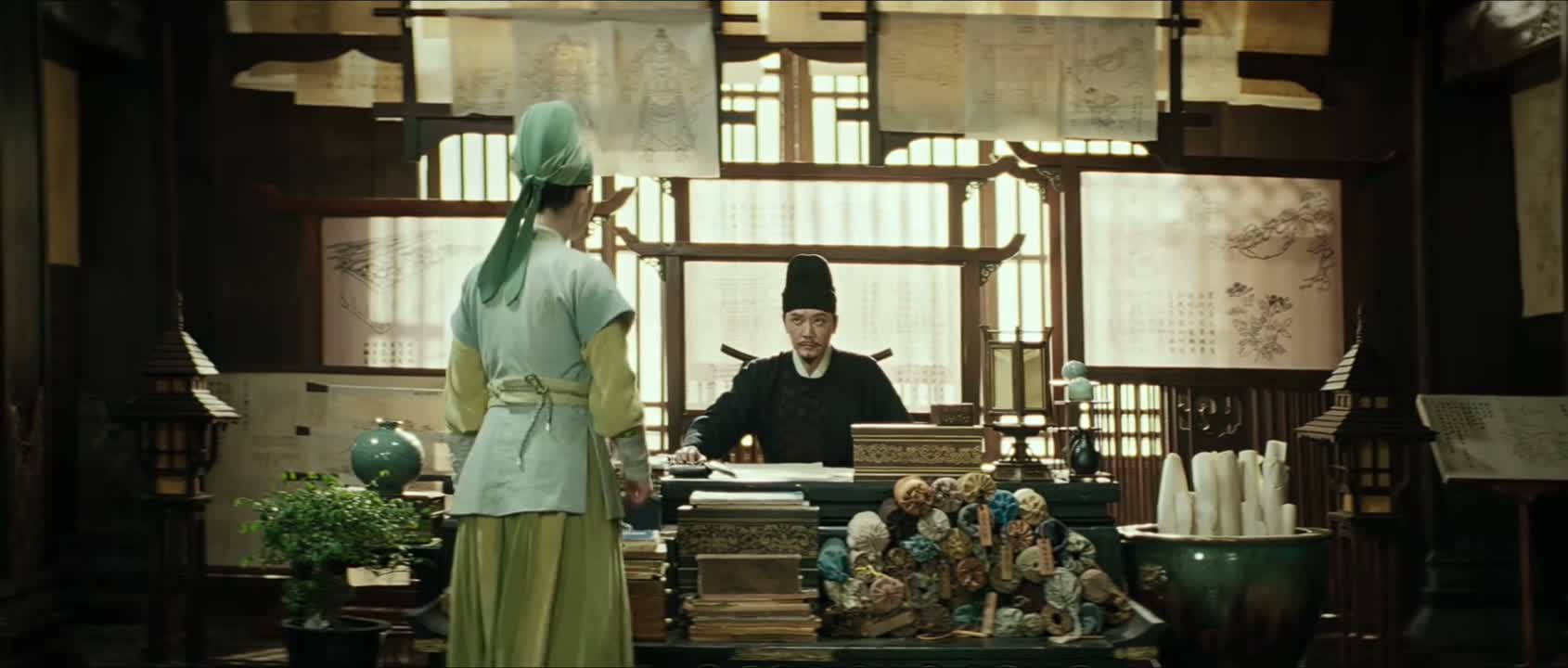
“the stitching at the wound matches perfectly.”
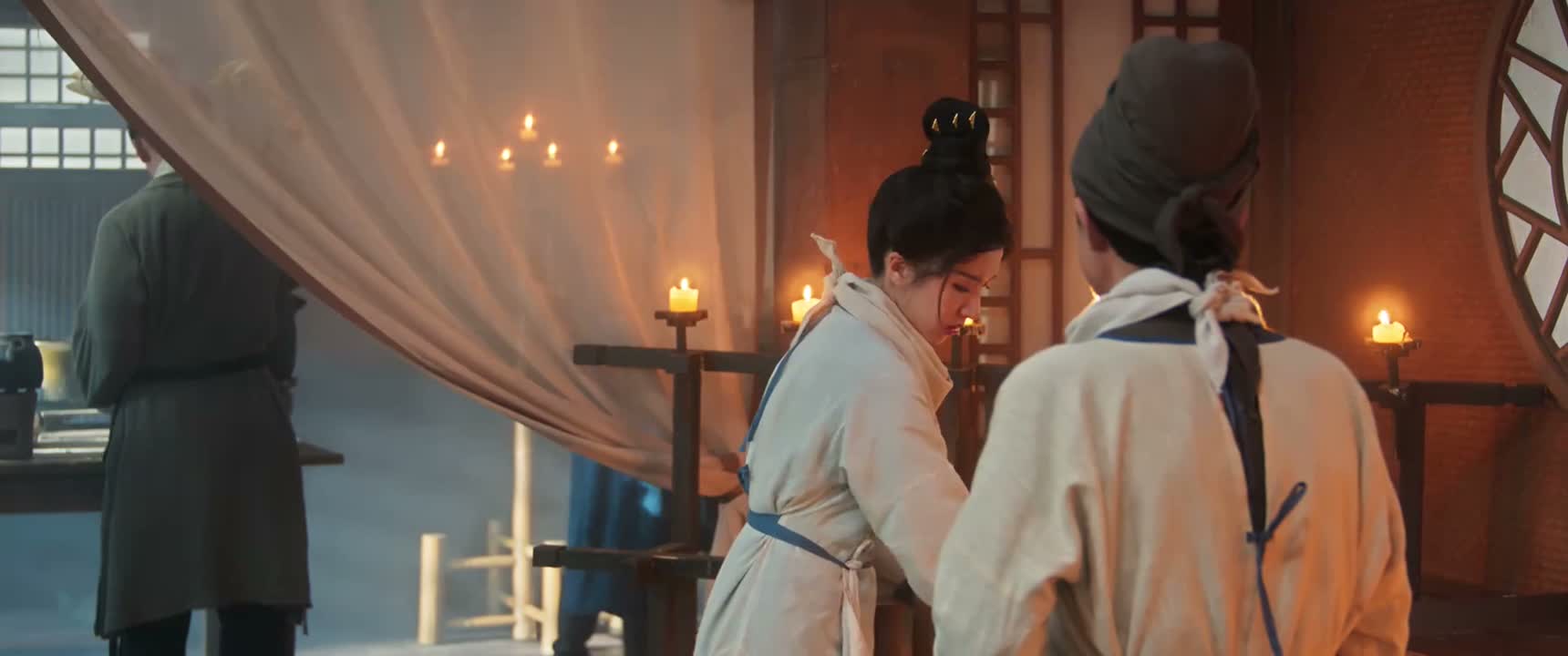
“But now, the sutured wound on them is quite large.”

“I need to clean up this wound.”

“But you still need more rest. So that your wound can recover quickly.”
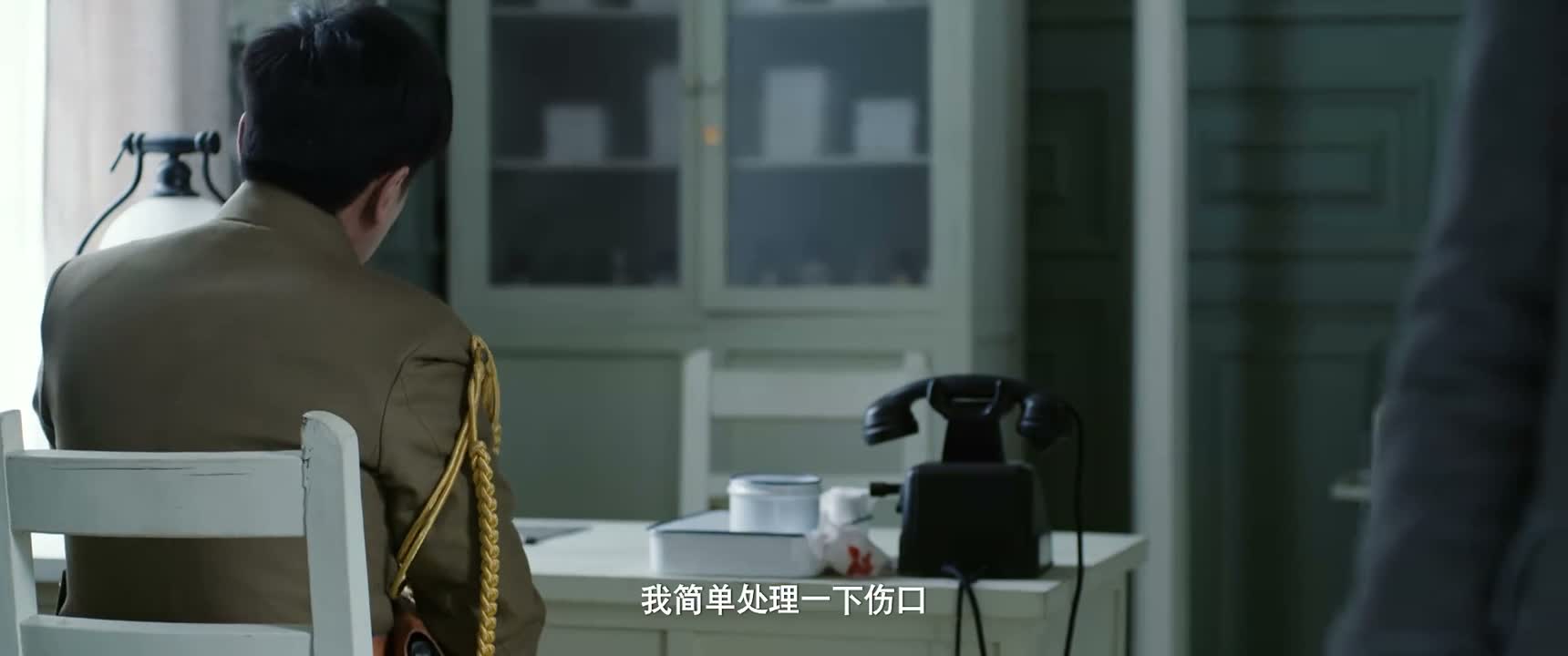
“I'll dress the wound briefly,”