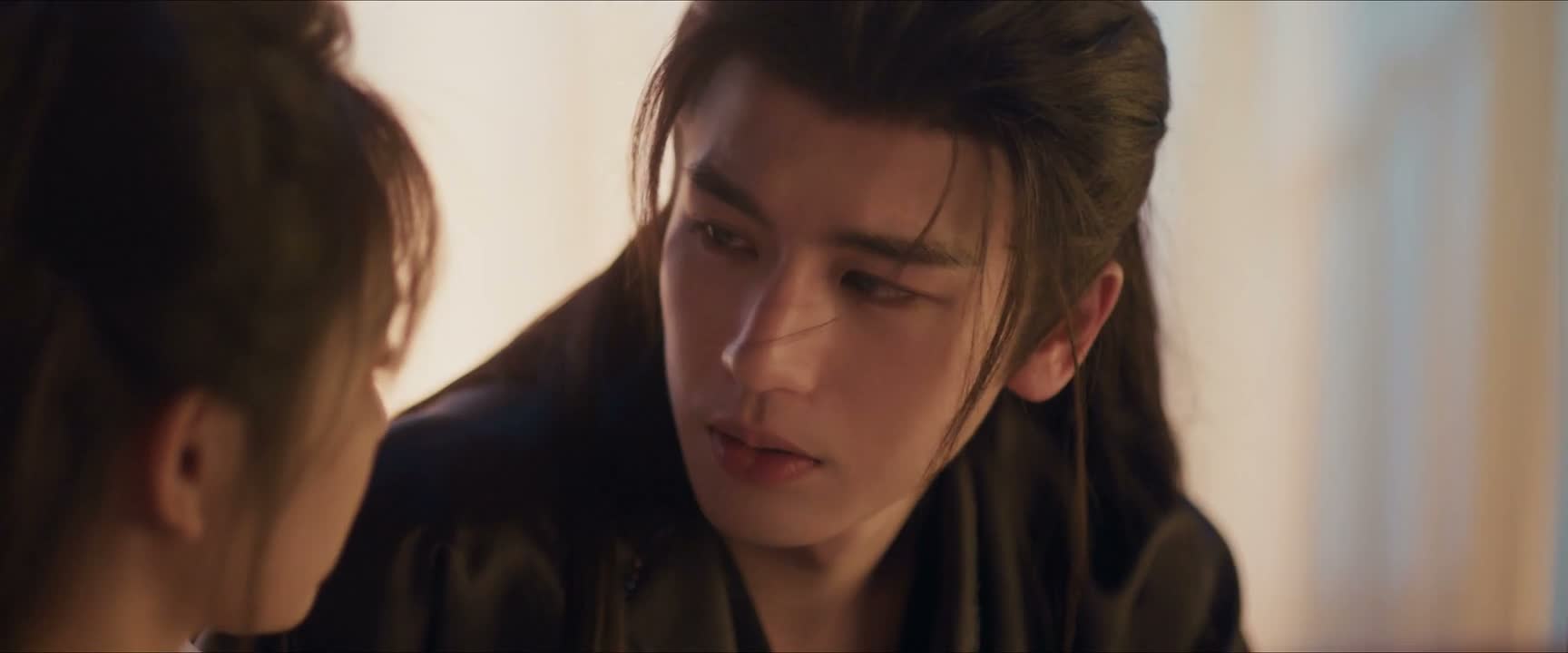
《Unveil: Jadewind》 S1·E14 (39:31)
HSK 7
zhōng jiū shì wǒ bú duì wǒ xiàng nǐ péi zuì
终究是我不对 我向你赔罪
“It was my fault. I apologize to you.”
《Unveil: Jadewind》
S1·E14
TIMECODE: 39:31
·
1080P MASTER AUDIO
THE DIALOGUE REEL
[-1] PREVIOUS TURN
hǎo le
好了
“Fine.”
zhōng jiū shì wǒ bú duì wǒ xiàng nǐ péi zuì
CURRENT FOCUS
终究 是我不对 我向你 赔罪
“It was my fault. I apologize to you.”
Subtitles synced to millisecond timecode
Browse Show Clips →
Scene:
Crisis & Conflict
Function:
APOLOGIZING
Tone:
CONCILIATORY
Emotion:
REMORSE
WHAT THEY REALLY MEAN (PRAGMATIC SUBTEXT)
Direct spoken expression in this communicative setting.
💡 Cultural Insight: Formal Apology and Reconciliation (负荆赔罪)
Formally admitting fault ('赔罪') requires swallowing one's pride to restore harmony; a direct refusal to accept it signals a severe rupture in relations.
INTENT TAGS:
#apology
#conceding_fault
#reconciliation
#de-escalation
🧩
2 CHUNKS · 0 PARTICLES
LEARNING CHUNKS & PARTICLES
终究
SPOKEN CHUNK
in the end / ultimately / after all
Used when conceding a point after reflection or conflict.
向……赔罪
SPOKEN CHUNK
to apologize to someone / to make amends
A more formal and earnest way to offer an apology than simply saying '对不起'.
🏮
2 EXPR · 0 GRAMMAR
VOCABULARY & EXPRESSIONS
COLLOQUIAL EXPRESSIONS:
CROSS-CINEMA CORPUS BOARD · PARALLEL SCENES
EXPLORE BY SEMANTIC SIMILARITY
Parallel Spoken Cinema Scenes (语义近邻切片)


《Unveil: Jadewind》 S1·E14 (39:31) · Authentic Cinema Dialogue Corpus