看不见你 哪儿看不见了 我坐在第一排
“He's on stage, and you're in the audience. He won't notice you. Why won't he? I'm sitting in the front row.”
THE DIALOGUE REEL
“You've changed back and forth so many times. He's on stage, and you're in the audience. He won't notice you.”
看不见 你 哪儿看不见了 我坐在第一排
“He's on stage, and you're in the audience. He won't notice you. Why won't he? I'm sitting in the front row.”
他经常跟前两排的观众互动的
“He interacts with the audience in the first rows all the time.”
“Stop ruining my mood, there is no way he won't notice me right in front of him.”
Front-row seats ('第一排') are prized in Chinese fan culture for maximizing eye contact and direct interaction ('互动') with performers.
LEARNING CHUNKS & PARTICLES
unable to see / out of sight
A common potential complement indicating that vision is blocked or distance prevents seeing.
how can you say (he) can't see?
A rhetorical challenge using '哪儿' to reject the prior claim entirely.
the very first row
Use this collocation when describing front seating in theaters, classrooms, or concert venues.
Marks the rhetorical rebuttal emphasizing the contrary state of affairs.
VOCABULARY & EXPRESSIONS
Parallel Spoken Cinema Scenes (语义近邻切片)
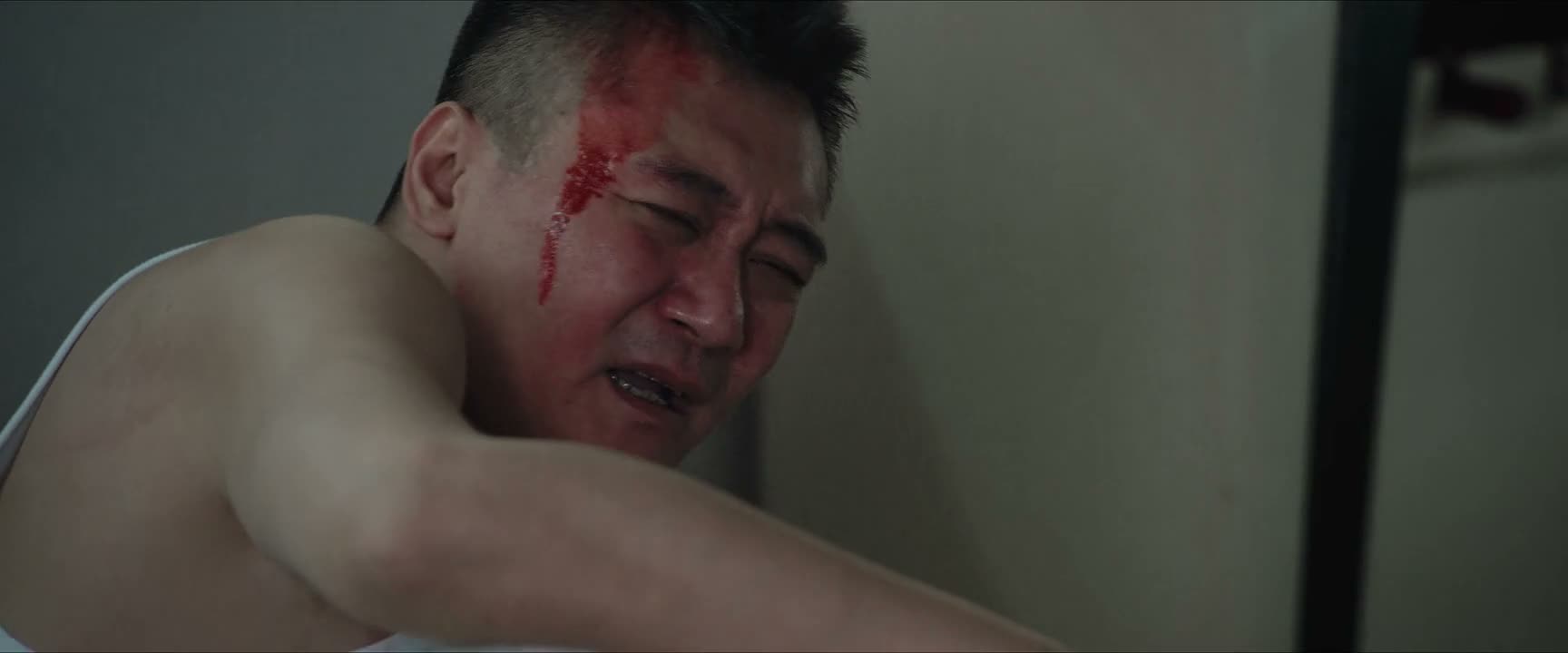
“He's blind anyway. What use is he to you?”
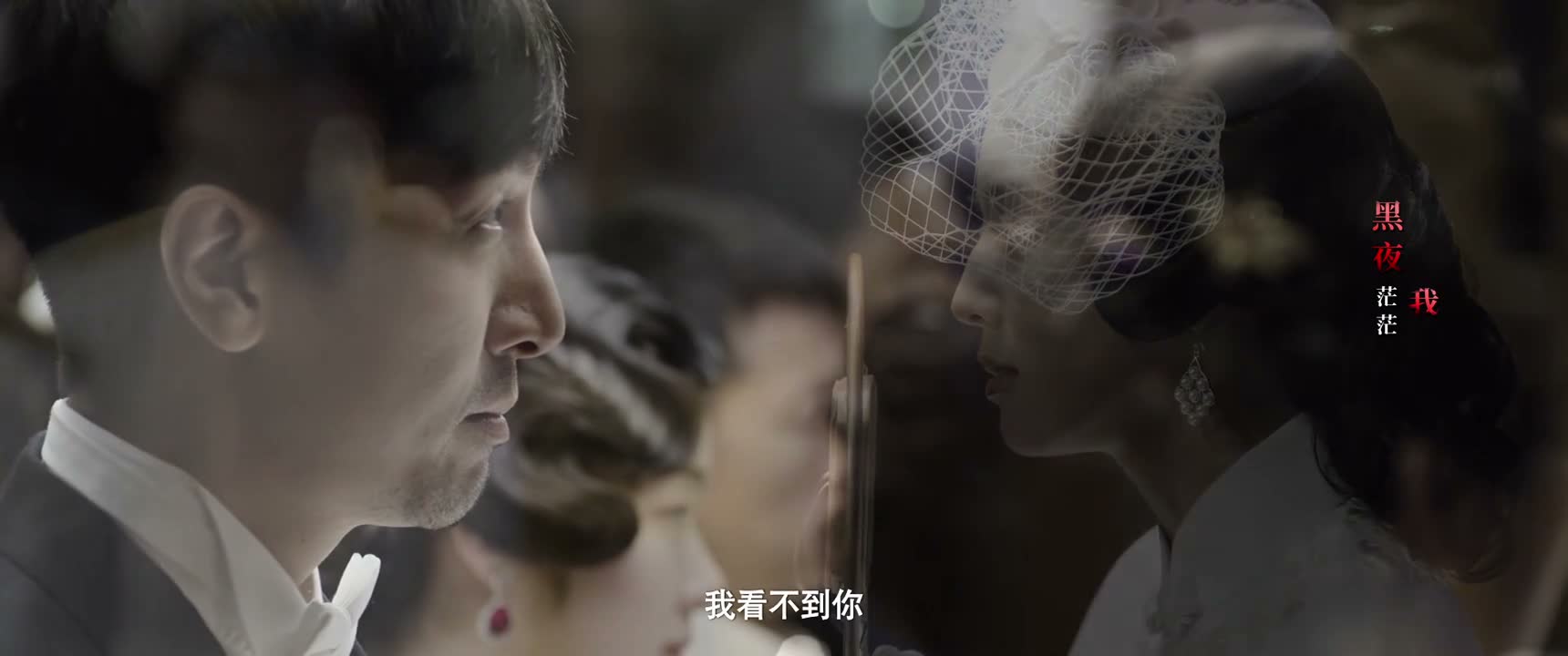
“I cannot see you”
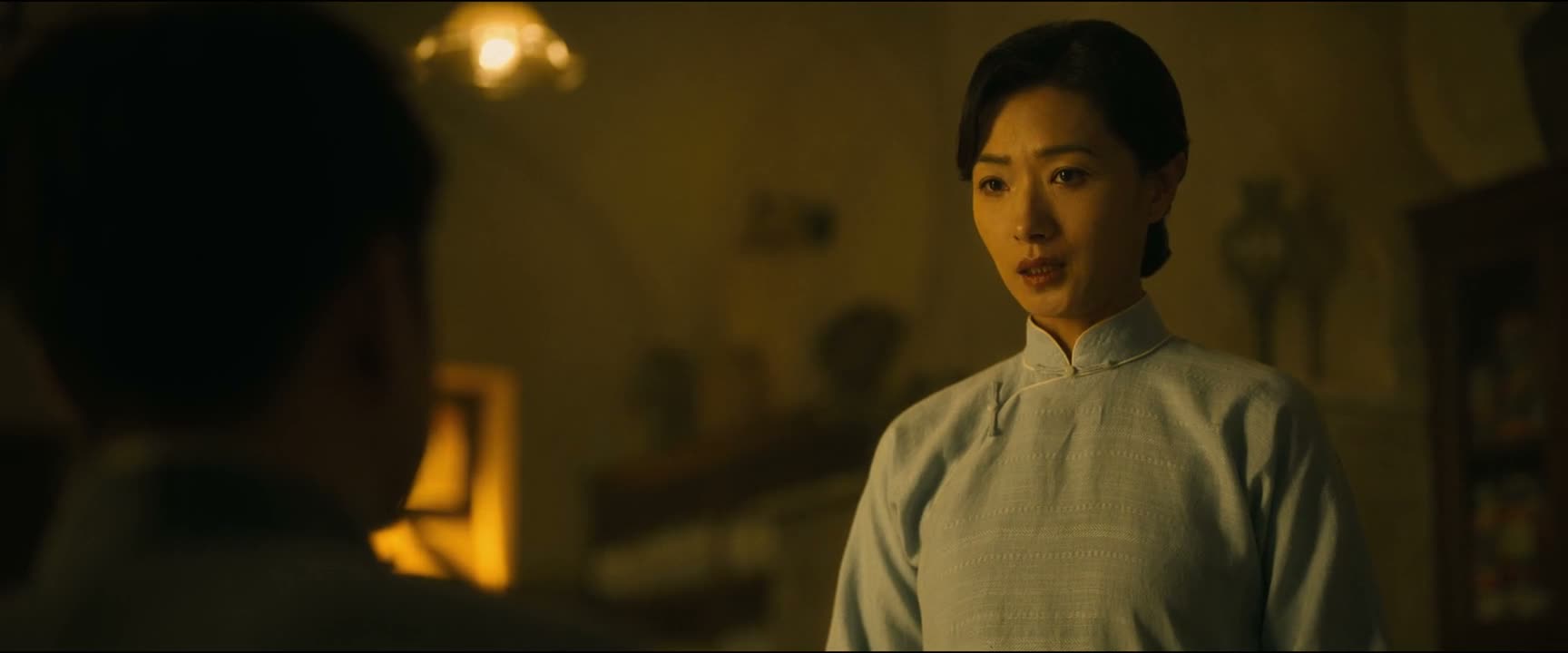
“You said you couldn't see me”

“no one ever sees me.”

“Why… Why can't I see?”

“Afraid people won't notice you sneaking into my place at night?”