看不见
kàn bú jiànCommon spoken expression used by native Chinese speakers in daily life.
[Scene: 社交聚会]
(8 clips) 00:02
(这里山清水秀 不好吗) ── Previous context
“What's the use of beautiful scenery? You can't even see it.”
 00:02
 00:02
 00:03
(你在那儿张望啥呢) ── Previous context
“Afraid people won't notice you sneaking into my place at night?”
 00:03
(跟楼越好好交代坦白从宽 她那么忙你就发个微信) ── Previous context
“You probably hoped she wouldn't even see it. Don't worry about how I handled it.”
 00:03
(你都来来回回多少趟了 人家在台上 你在台下) ── Previous context
“He's on stage, and you're in the audience. He won't notice you. Why won't he? I'm sitting in the front row.”
 00:02
 00:03
(以前是我错了) ── Previous context
“I shouldn't have focused on Fei Ni and neglected your feelings.”
[Scene: 其他场景]
(7 clips) 00:02
 00:02
 00:02
 00:02
 00:03
(我去跟他拼了 我 刘柱) ── Previous context
“Wanna go to jail? Want your kid to be fatherless?”
 00:02
 00:02
(从现在开始我说什么是什么 别跟我废话) ── Previous context
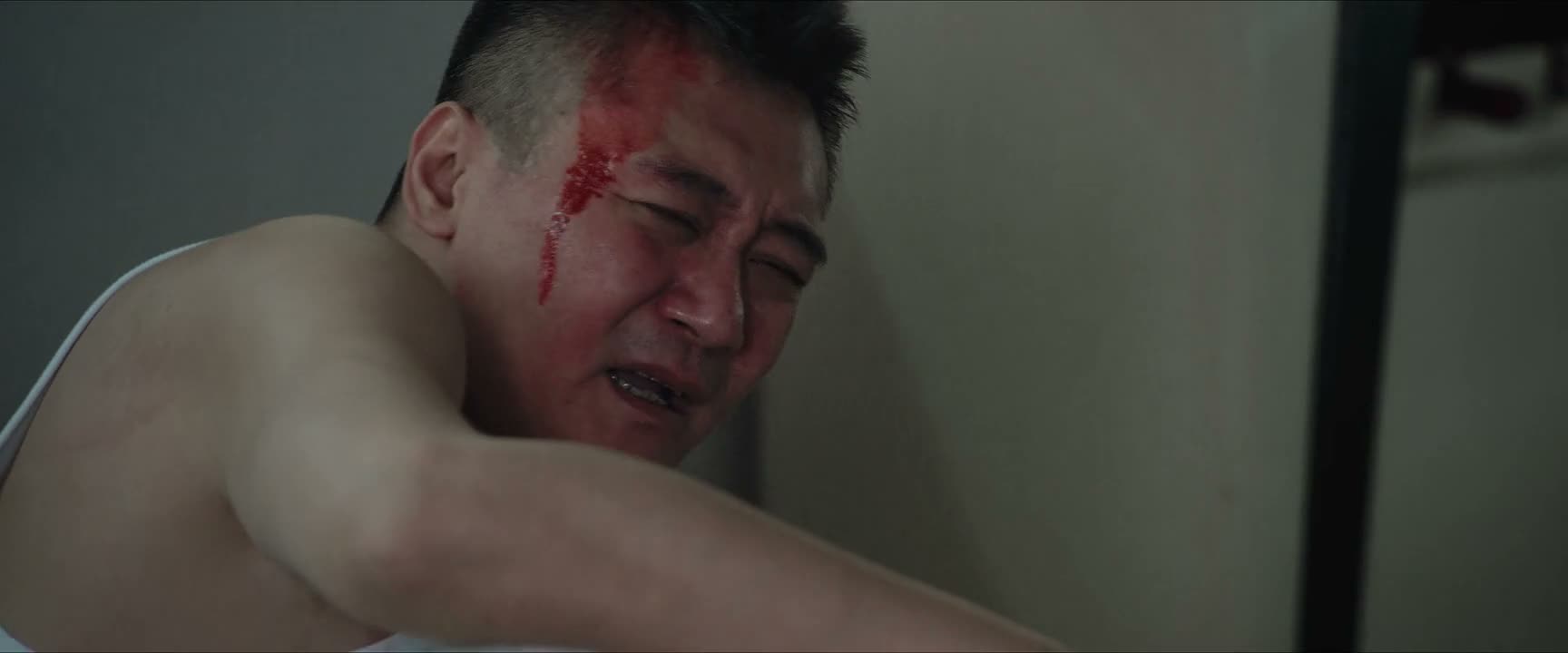
“He's blind anyway. What use is he to you?”
[Scene: 其他场景]
(5 clips) 00:03
 00:02
 00:02
 00:02
 00:02
[Scene: 家庭日常]
(2 clips) 00:02
 00:02
[Scene: 历史宫廷]
(2 clips)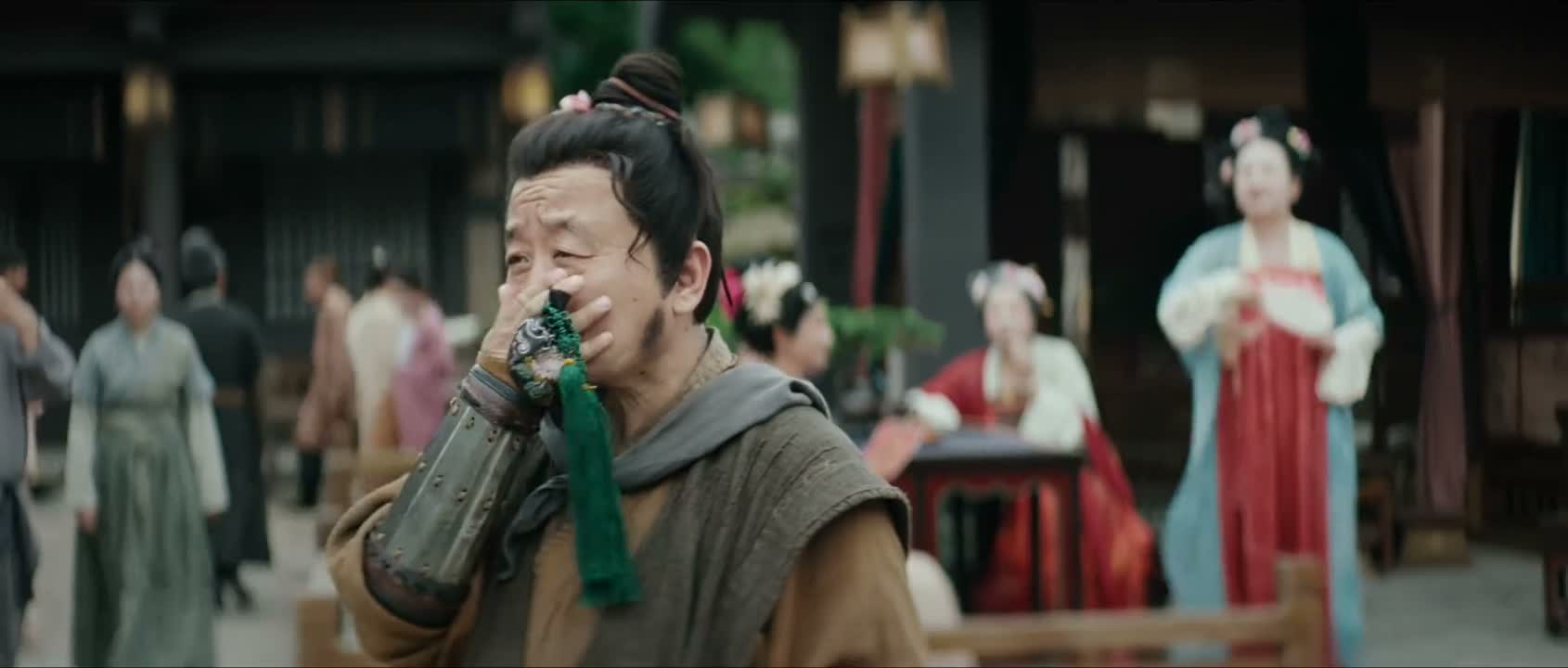 00:02
 00:03
(都说孤的皇位是靠女人得来的) ── Previous context
“They never see my hard reforms over the past three years!”
[Scene: 职场工作]
(2 clips)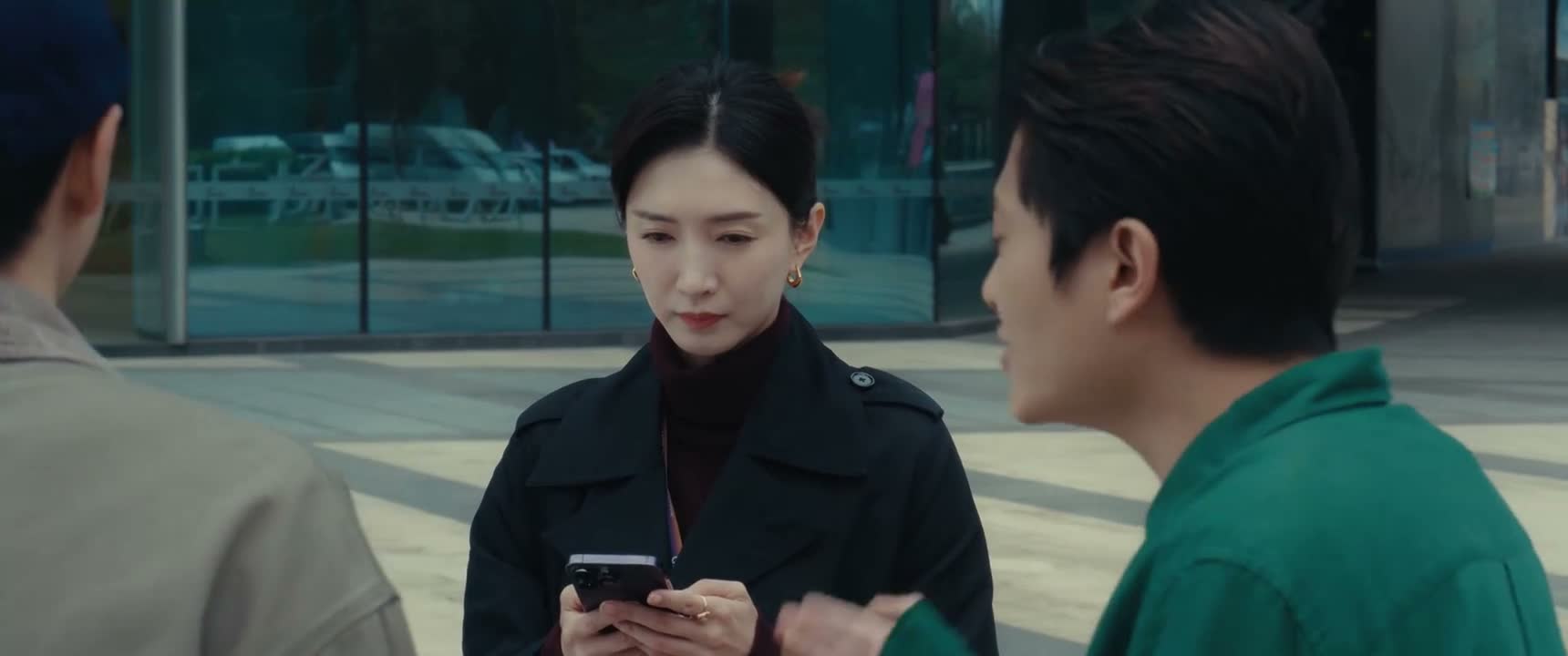 00:03
(好 老板 我还是觉得 美女因素更重要) ── Previous context
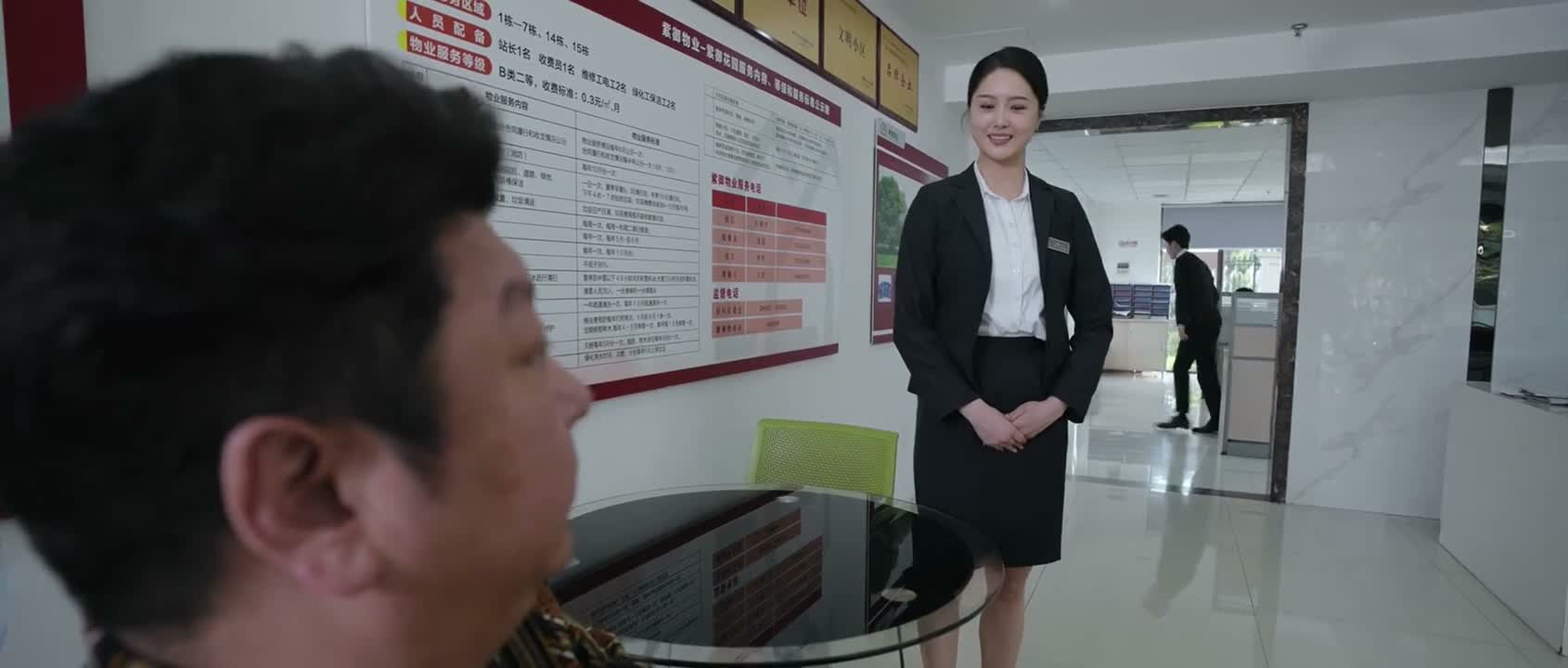
“It's inherent to the industry. Why pretend we don't see it?”
 00:02
[Scene: 商务沟通]
(1 clips) 00:02
(它的版权价值才能够上升啊 你如果再等几天) ── Previous context
“the same amount of money won't even make a splash.”
[Scene: 餐饮美食]
(1 clips) 00:02
(土豆 好好好 切得太薄) ── Previous context
“You want it thinner? Once it's all stirred up, you miss it.”
[Scene: 其他场景]
(1 clips) 00:02
[Scene: 出行交通]
(1 clips) 00:02
(- 怎么了? - 没事吧?) ── Previous context
“- Are you okay? - Why is the fog so thick? - I can't even see the road. - Everyone, don't panic.”
📌 哪个
→Nuance: 同向近义词根配对: [风景 ↔ 风光]
📌 姐
→Nuance: 同向近义词根配对: [风景 ↔ 风光]
📌 见不着
→Nuance: 核心意图相同,仅增加了地点状语
📌 不知道
→Nuance: 均表对可见性的怀疑与不确定
📌 都不知道
→Nuance: 均表对可见性的怀疑与不确定
📌 这种情况
→Nuance: 同向近义词根配对: [这样 ↔ 这么]
📌 走了
→Nuance: 核心问句相同表达雾大
📌 来
→Nuance: 均表达看不清道路
📌 你看
→Nuance: 同指遮挡严密看不见