事已至此 还能怎样
“At this point, what choice do we have?”
THE DIALOGUE REEL
你真信他
“You really trust him?”
事已至此 还能怎样
“At this point, what choice do we have?”
我炼制尸傀奴
“News has spread that I killed”
“It does not matter whether I trust him or not; we are out of choices, so I must take this desperate step.”
When driven to a corner, Chinese speakers often use phrases like '事已至此' to cut off useless second-guessing and justify desperate gambles.
LEARNING CHUNKS & PARTICLES
now that things have reached this point / what is done is done
A formal four-character set phrase used to mark an irreversible situation where regret is pointless.
what else can be done / what choice do we have
A rhetorical question signaling helpless acceptance of a bad situation.
VOCABULARY & EXPRESSIONS
Parallel Spoken Cinema Scenes (语义近邻切片)
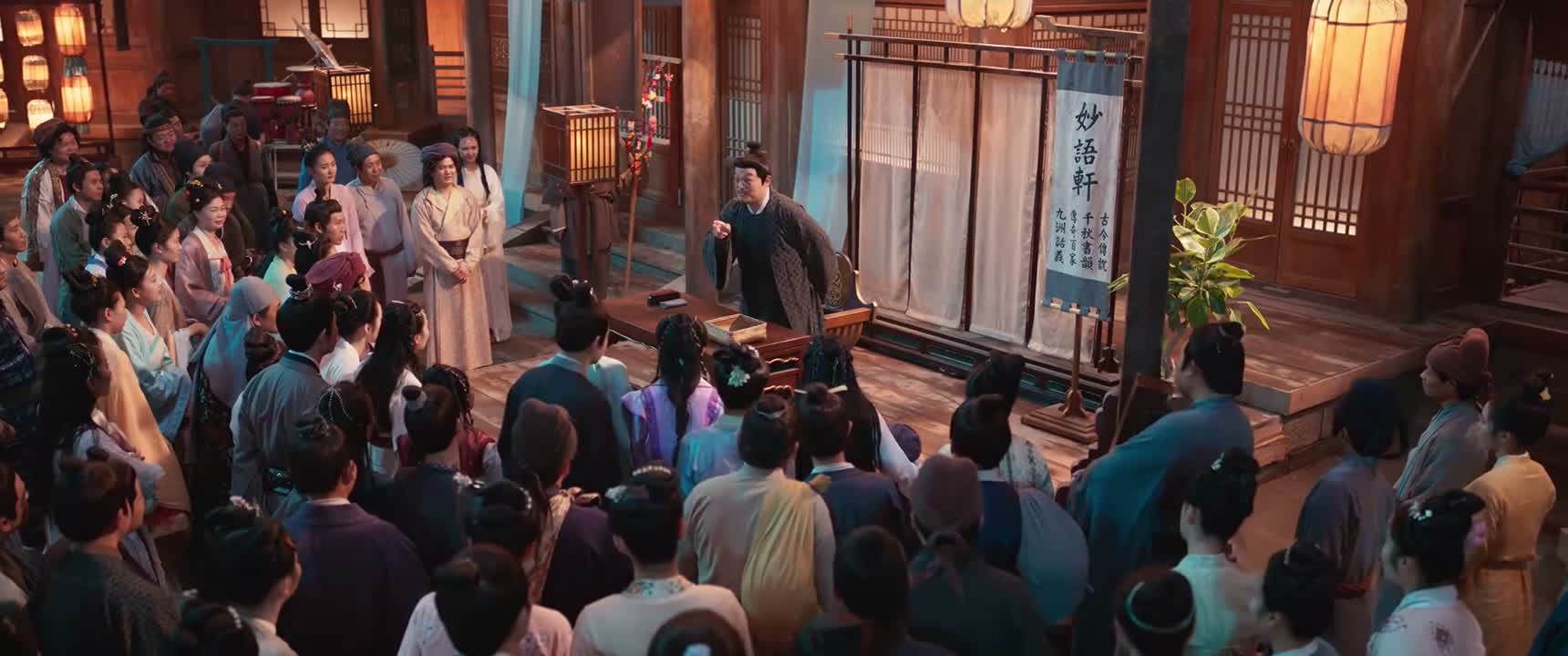
“If you wish to know what comes next,”

“at this point, what's the use of arguing?”

“It's already happened. Let's think about how we can help the Secretary, right?”

“At this point, I have nothing to be afraid of.”