《Generation to Generation》 S1·E35 (24:34)
HSK 6
wǒ běn shì yí gè wú fù wú mǔ de xiǎo qǐ ér
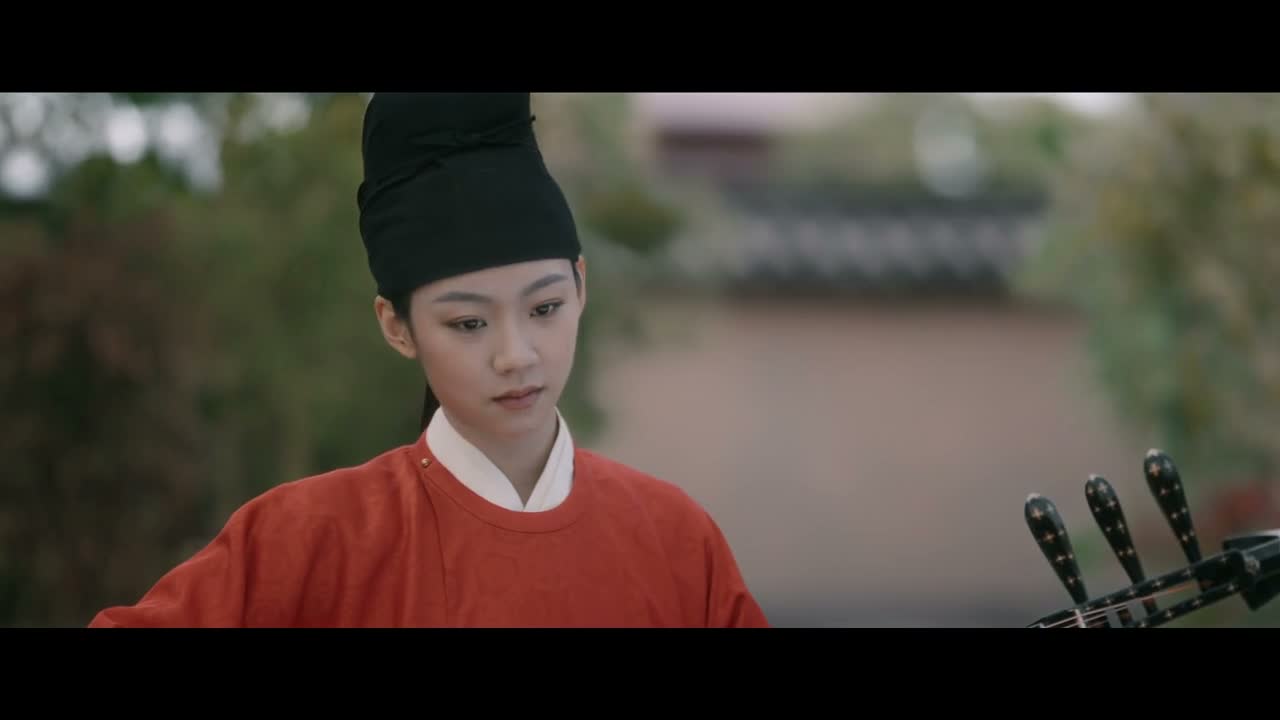
我本是一个无父无母的小乞儿
“I was once an orphaned beggar,”
《Generation to Generation》
S1·E35
TIMECODE: 24:34
·
1080P MASTER AUDIO
THE DIALOGUE REEL
[-1] PREVIOUS TURN
nǐ zěn me xiǎng
你怎么想
“What do you think?”
wǒ běn shì yí gè wú fù wú mǔ de xiǎo qǐ ér
CURRENT FOCUS
我本是一个无父无母的小乞儿
“I was once an orphaned beggar,”
Subtitles synced to millisecond timecode
Browse Show Clips →
Scene:
Historical & Court
Function:
NARRATING BACKGROUND
Tone:
SINCERE
Emotion:
SADNESS
WHAT THEY REALLY MEAN (PRAGMATIC SUBTEXT)
Direct spoken expression in this communicative setting.
💡 Cultural Insight: Orphan Tropes in Wuxia (身世之谜/孤儿报恩)
In Chinese storytelling, recounting miserable beginnings often underscores moral themes of loyalty, repaying life debts, and enduring hardship before greatness.
INTENT TAGS:
#self_disclosure
#background_narrative
#gratitude
#humility
🧩
2 CHUNKS · 0 PARTICLES
LEARNING CHUNKS & PARTICLES
无父无母
SPOKEN CHUNK
having neither father nor mother; orphaned
A formal idiom used to describe an orphan or someone with no family support.
乞儿
SPOKEN CHUNK
little beggar; child beggar
A literary term for an impoverished child surviving on the streets, common in period dramas.
🏮
1 EXPR · 4 GRAMMAR
VOCABULARY & EXPRESSIONS
COLLOQUIAL EXPRESSIONS:
GRAMMAR BLUEPRINTS:
CROSS-CINEMA CORPUS BOARD · PARALLEL SCENES
EXPLORE BY SEMANTIC SIMILARITY
Parallel Spoken Cinema Scenes (语义近邻切片)

《Generation to Generation》 S1·E35 (24:34) · Authentic Cinema Dialogue Corpus