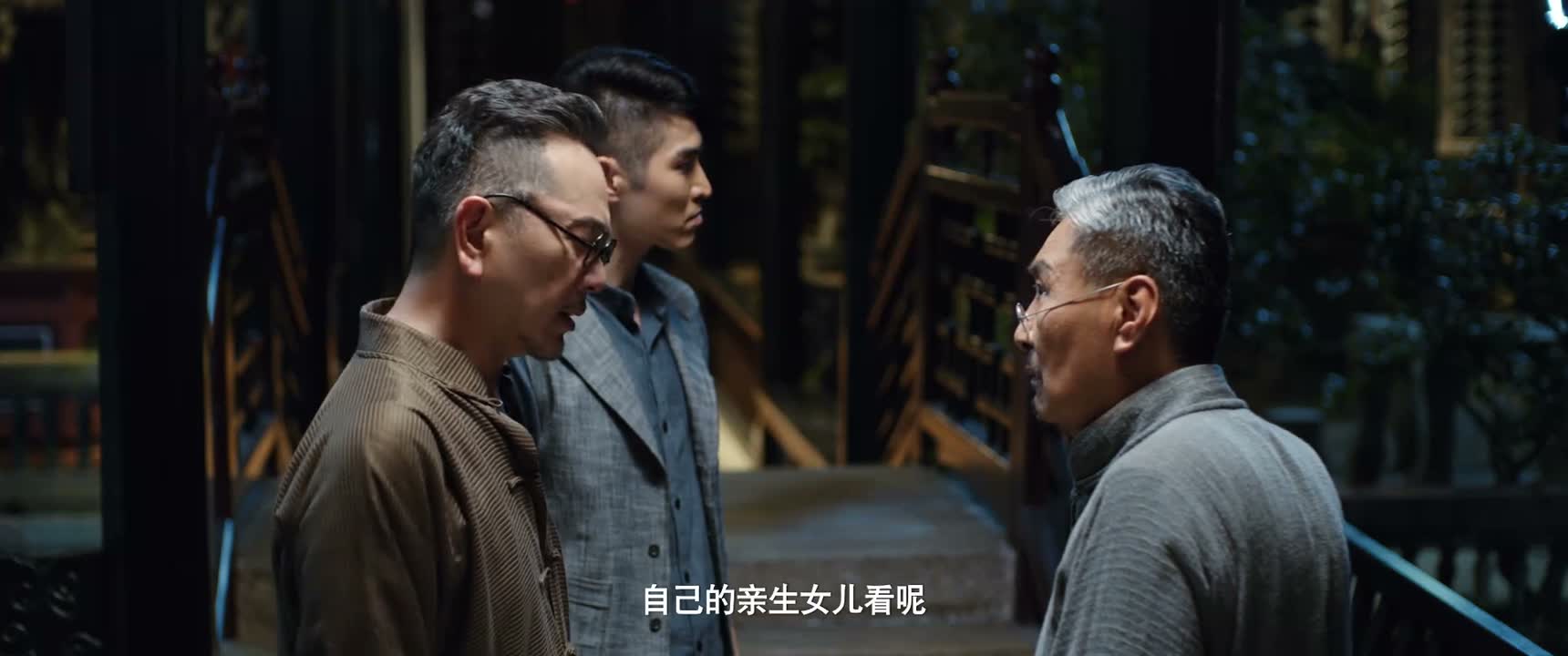
自己亲生女儿都能舍
“He could abandon his own daughter,”
THE DIALOGUE REEL
怕还找不到这
“I'd never find it.”
自己亲生女儿都能舍
“He could abandon his own daughter,”
“yet hides you like a treasure.”
“If they could discard their own flesh and blood, do you really think they care about you?”
Abandoning one's biological child breaks one of the most sacred moral duties in Chinese ethics, marking the perpetrator as ruthless and fundamentally untrustworthy.
LEARNING CHUNKS & PARTICLES
biological daughter
Used to emphasize blood ties, often juxtaposed with cruelty or unexpected betrayal.
even can be abandoned / given up
The verb '舍' (give up/abandon) combined with '都' expresses shock at the extreme extent of heartlessness.
VOCABULARY & EXPRESSIONS
Parallel Spoken Cinema Scenes (语义近邻切片)
“...like my own flesh and blood.”
“treat me like their own daughter.”

“As his daughter, I should strive hard.”

“did I manage to preserve my only daughter!”

“I treated you like my own daughter.”
“as if she were my own daughter.”