咱六爷爷进山 这回不也是这个意思吗
“My Sixth Grandfather went into the mountains just with this resolve, right?”
THE DIALOGUE REEL
锦帽貂裘 千骑卷平冈
“A thousand silk-capped, sable-coated horsemen sweep."”
咱六爷爷进山 这回 不也是这个意思吗
“My Sixth Grandfather went into the mountains just with this resolve, right?”
我想好了 等六爷爷回来
“I've made up my mind. When Sixth Grandfather returns,”
“You cannot disagree with me because the elder wanted the exact same thing.”
In traditional Chinese family discourse, citing the tacit approval or intentions of senior elders carries immense persuasive weight in resolving dilemmas.
LEARNING CHUNKS & PARTICLES
isn't it also meant this way? / isn't that the point?
A rhetorical pattern used to confirm shared understanding or appeal to implicit consensus.
enter the mountains
Commonly used in regional or historical contexts to denote traveling into rural or mountainous wilderness.
Marks a rhetorical question to prompt agreement rather than ask for new information.
VOCABULARY & EXPRESSIONS
Parallel Spoken Cinema Scenes (语义近邻切片)

“Sixth Grandfather, what are you doing? Let's stick to the facts.”

“but don't you know it, Sixth Grandfather?”

“Please go back and tell the main branches”
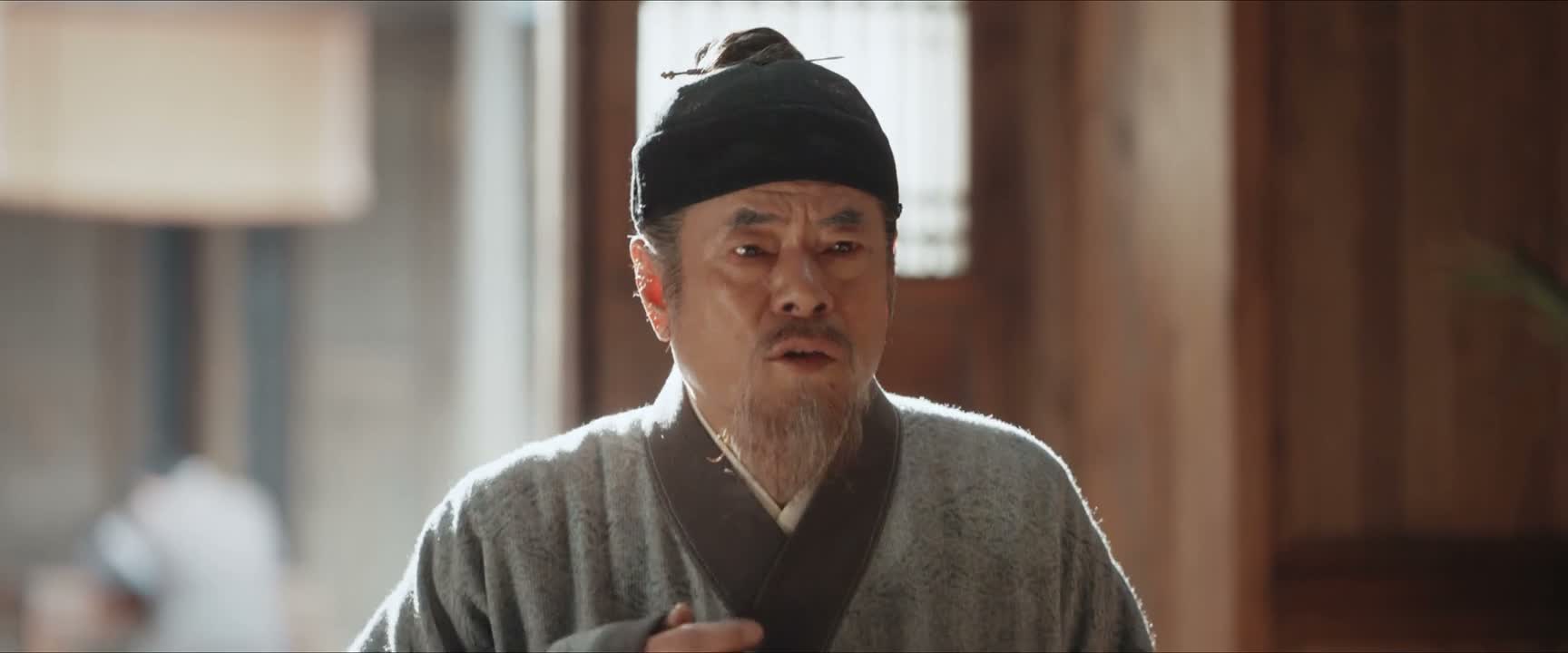
“I apologize to you.”

“sneaked into Sixth Grandfather's study”
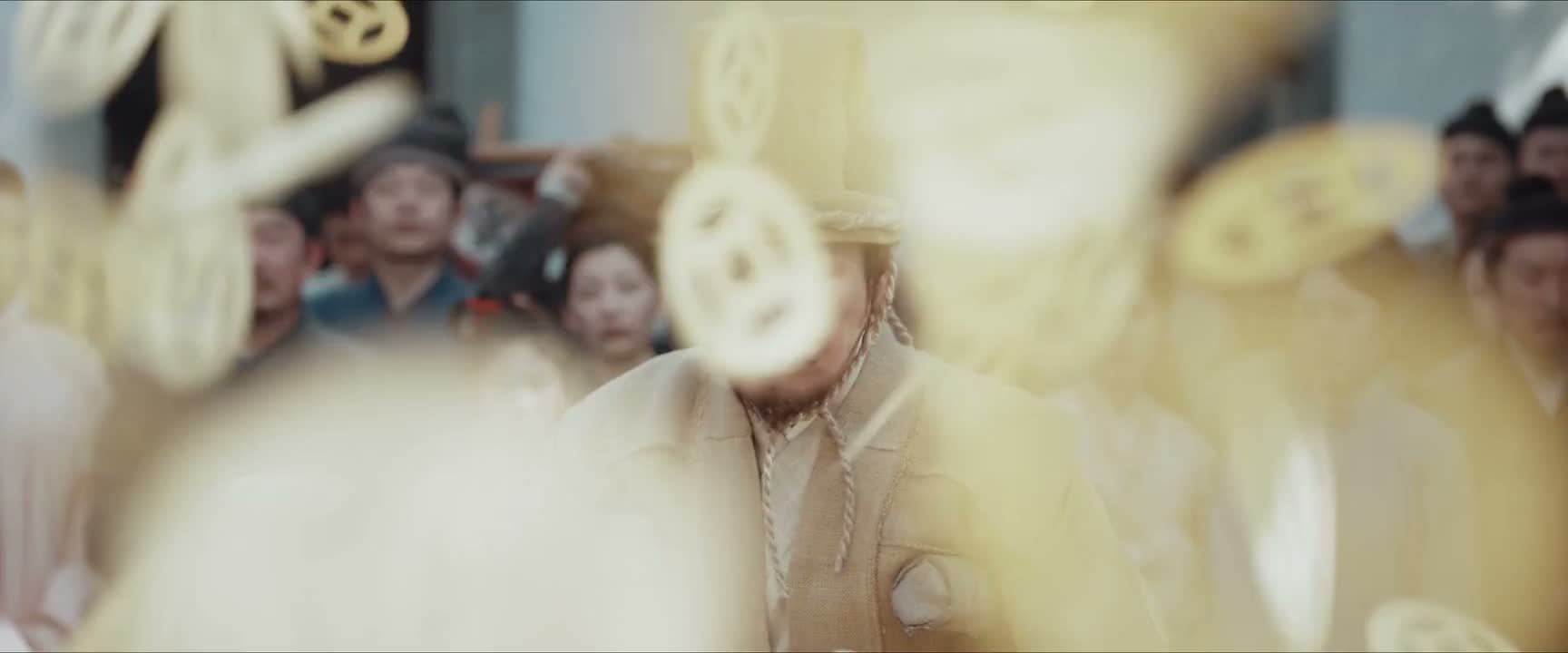
“Sixth Master, rest in peace!”