MC
MandarinClips Cinema Corpus
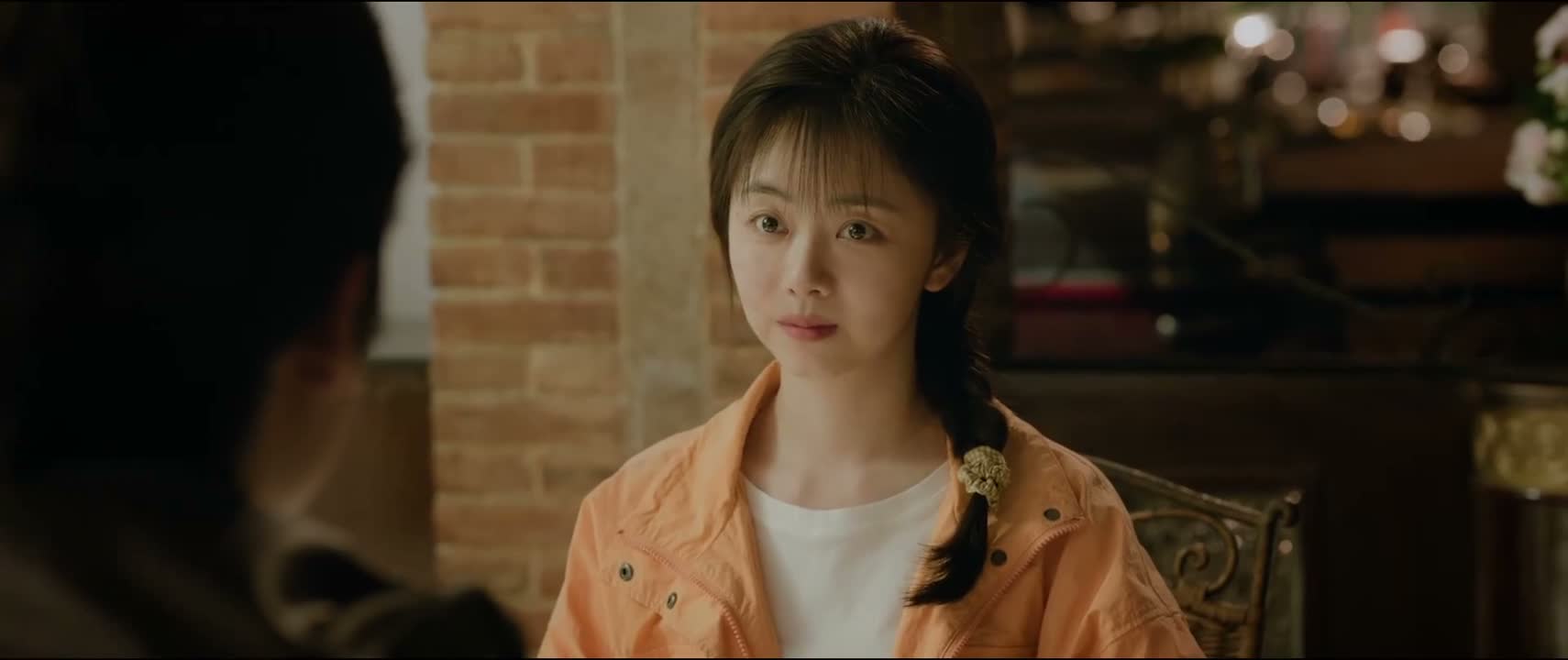
《Love Has Fireworks》 S1·E14 (31:53) HSK 5
nà yě bù néng guài wǒ ya wǒ dōu zǎo jiù gēn nǐ shuō le

那也不能怪我呀 我都早就跟你说了

“You can't blame me for this. I told you from the start.”

《Love Has Fireworks》 S1·E14
TIMECODE: 31:53 · 1080P MASTER AUDIO

THE DIALOGUE REEL

1+1+1 SPOKEN CONTINUITY
[-1] PREVIOUS TURN dào tóu lái chī kuī de bù hái shì wǒ ma

“Won't I be the one losing out in the end?”

nà yě bù néng guài wǒ ya wǒ dōu zǎo jiù gēn nǐ shuō le CURRENT FOCUS

那 也不 能 怪我 呀 我都 早就跟你说了

“You can't blame me for this. I told you from the start.”

[+1] FOLLOW-UP TURN zhè xiē cū huó wǒ gàn bù liǎo de

“I'm hopeless at this kind of manual work.”

Subtitles synced to millisecond timecode Browse Show Clips →
Scene: Family & Home
Function: DEFLECTING BLAME
Tone: JUSTIFYING
Emotion: DEFENSIVENESS
WHAT THEY REALLY MEAN (PRAGMATIC SUBTEXT)
“Don't put this on me, you knew this would happen because I warned you.”
💡 Cultural Insight: Exemption via Prior Warning (丑话说在前头)

In Chinese interpersonal communication, giving prior notice serves as a social shield to absolve oneself from blame if things later go awry.

INTENT TAGS: #deflecting_blame #self_justification #disclaiming_liability
🧩

LEARNING CHUNKS & PARTICLES

2 CHUNKS · 2 PARTICLES
怪我 SPOKEN CHUNK

blame me

Widely used in defensive constructions like '不能怪我' (you can't blame me).

早就跟你说了 SPOKEN CHUNK

told you a long time ago / warned you well beforehand

A common spoken refrain used to establish prior notice and disclaim liability for a predictable problem.

Modal Particle「呀」 (ya) CHANGE OF STATE

Adds an aggrieved, defensive tone to soften bluntness into emotional protest.

Modal Particle「了」 (le) CHANGE OF STATE

Marks completed aspect, reinforcing that the warning was delivered in the past.
🏮

VOCABULARY & EXPRESSIONS

3 EXPR · 0 GRAMMAR
CROSS-CINEMA CORPUS BOARD · PARALLEL SCENES

Parallel Spoken Cinema Scenes (语义近邻切片)

EXPLORE BY SEMANTIC SIMILARITY
《Love Has Fireworks》 S1·E14 (31:53) · Authentic Cinema Dialogue Corpus