你是不是在家里玩火 然后把家给点着了
“did you play with fire at home and set the place on fire?”
THE DIALOGUE REEL
李亦非
“Li Yifei,”
你 是不是 在家 里 玩火 然后把家给 点着了
“did you play with fire at home and set the place on fire?”
现在消防员在里面救火呢
“Are the firefighters inside putting it out right now?”
“How could you be so utterly irresponsible and burn down the place?”
When confronted with unexpected domestic chaos, close Chinese interlocutors frequently resort to extreme rhetorical questions to vent exasperation.
LEARNING CHUNKS & PARTICLES
play with fire
Used literally for playing with matches or metaphorically for reckless, dangerous behavior.
set on fire; ignited
A spoken disposal structure with 给 indicating an accidental or undesirable completed outcome.
Marks the change of state indicating the fire has already been ignited.
VOCABULARY & EXPRESSIONS
Parallel Spoken Cinema Scenes (语义近邻切片)
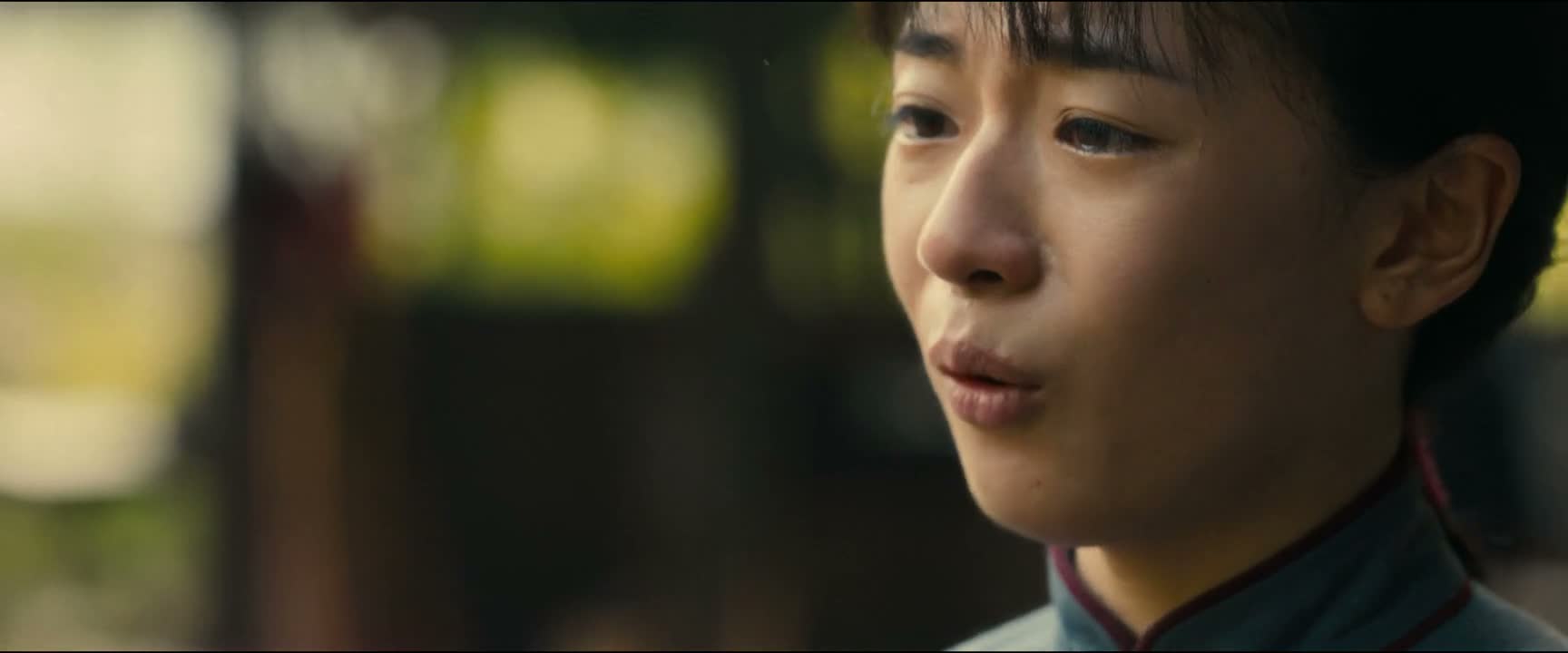
“he was afraid the fire would burn the house down and everything would be lost.”

“Burn this place down! -Yes! -Yes! -Yes! -Yes!”
“The trouble is at her doorstep now.”

“it's very easy to cause a fire. And children at home”

“It looks like the house is on fire.”

“In the fire, they should've been badly burned.”