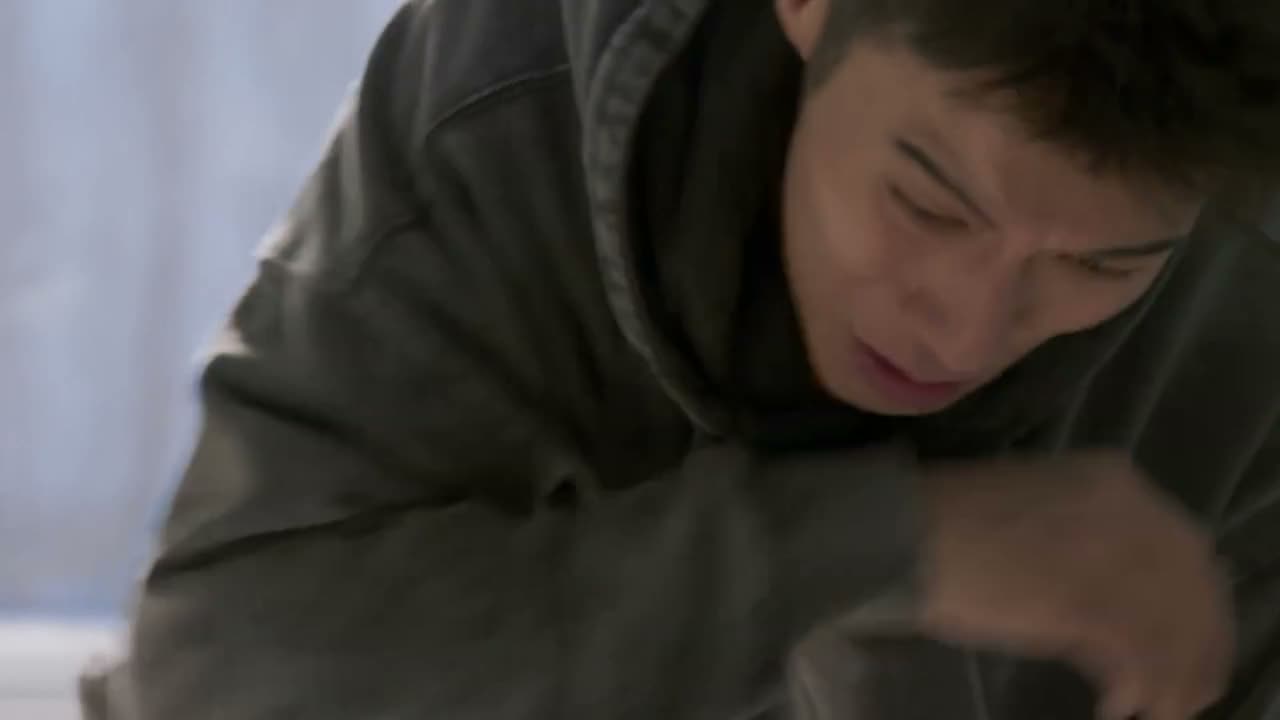
我真不该呀 我真的大意了 我没想到
“I really shouldn't have... I was really careless. I didn't expect...”
THE DIALOGUE REEL
我
“I...”
我真 不该 呀 我 真的 大意了 我没想到
“I really shouldn't have... I was really careless. I didn't expect...”
我就不应该教她的
“I shouldn't have taught her that!”
Direct spoken expression in this communicative setting.
Attributing failures to one's own negligence (dayi) rather than purely external factors reflects a cultural tendency toward introspective self-reproach.
LEARNING CHUNKS & PARTICLES
really should not have
Common spoken formula to express deep personal remorse over an action already taken.
became careless; let one's guard down
Used to admit an oversight or failure caused by lack of vigilance.
never expected; did not anticipate
Spoken phrase used to indicate surprise or an unforeseen consequence.
Softens the exclamation while emphasizing heartfelt lamentation and self-blame.
Indicates a completed state of becoming careless.