当时他额头划破了 我呢 没敢正脸看他
“He had a cut on his forehead at the time, so I didn't dare look at his face directly.”
THE DIALOGUE REEL
跟我们耀宗差不多
“was about the same as our Yaozong.”
当时他额头划破了 我呢 没敢正脸看 他
“He had a cut on his forehead at the time, so I didn't dare look at his face directly.”
他衣服虽然脏了
“Although his clothes were dirty,”
“Don't expect me to give you exact details about his face because I was too scared to look at him directly.”
In traditional Chinese interpersonal dynamics, staring directly at a stranger or an injured authority figure can be considered impolite, provocative, or intimidating.
LEARNING CHUNKS & PARTICLES
did not dare to
Commonly placed before a verb to express fear, hesitation, or lack of courage to perform an action.
full face; front of the face
Used colloquially when talking about seeing or photographing someone directly from the front.
Marks the change of state indicating an injury occurred.
Marks a topic shift or pause, focusing attention on the speaker's own perspective.
VOCABULARY & EXPRESSIONS
Parallel Spoken Cinema Scenes (语义近邻切片)

“I don't think it's wise to fall out”

“I didn't want to fall out with them,”
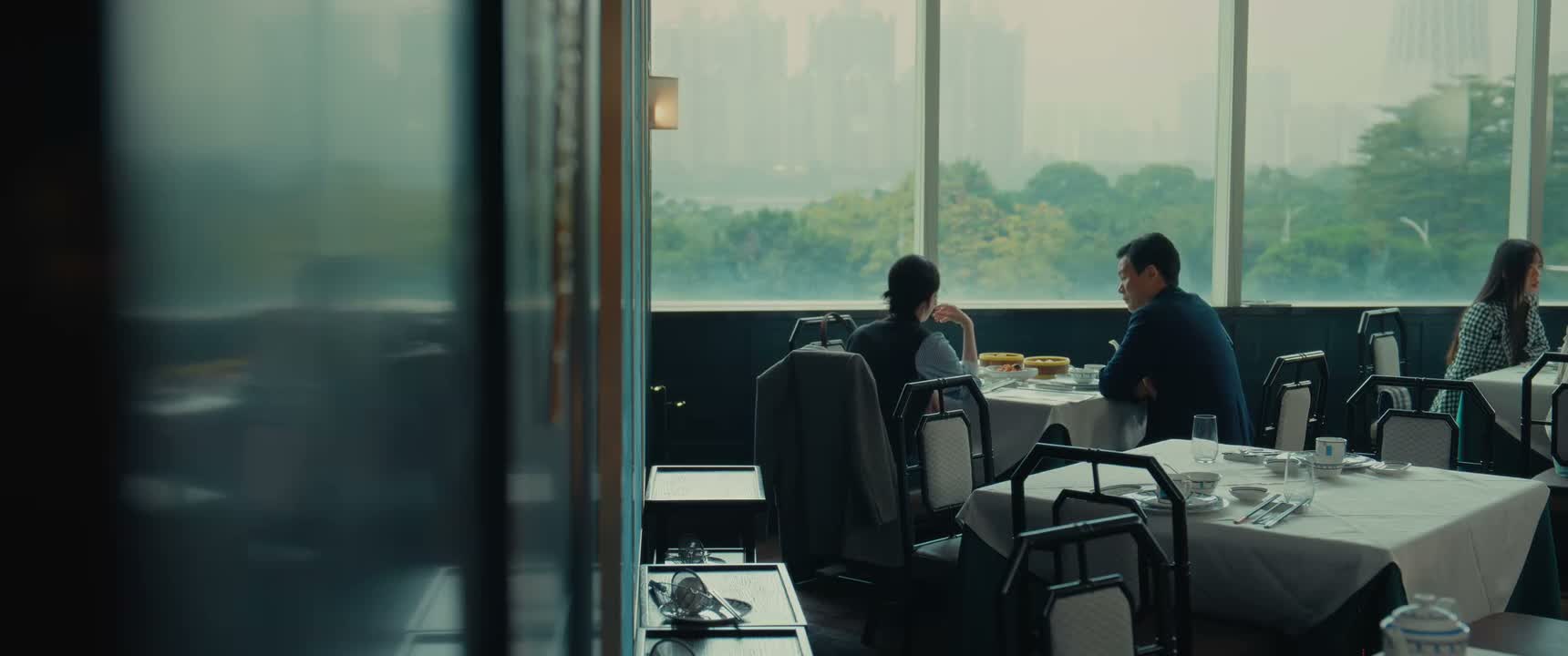
“I want to scream curses at him and throw things in his face.”

“The injuries on your face healed pretty quickly.”

“If he turns on me, I'll kill him, take his money,”
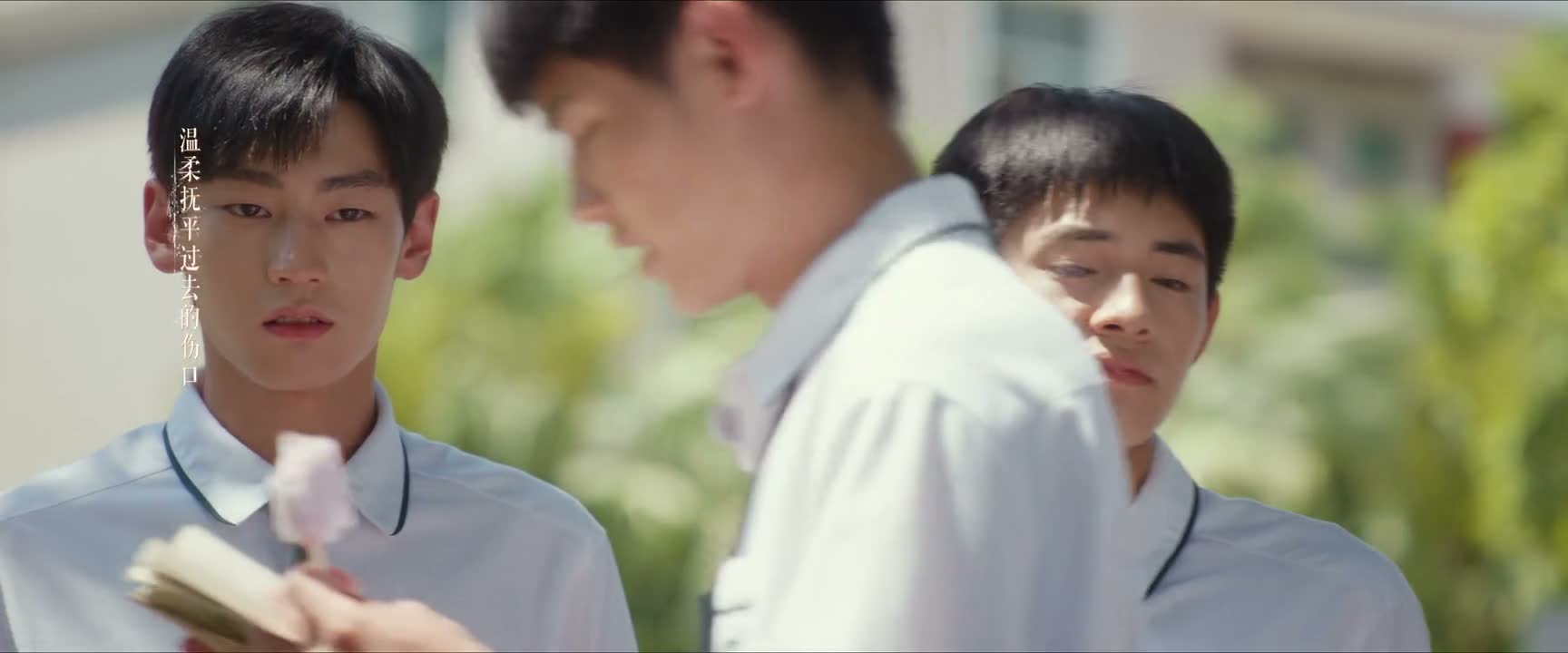
“♪ Leave them all behind ♪ I'm definitely not going over there and getting embarrassed. ♪ Just take my hand and stay with me ♪ On a day this hot,”