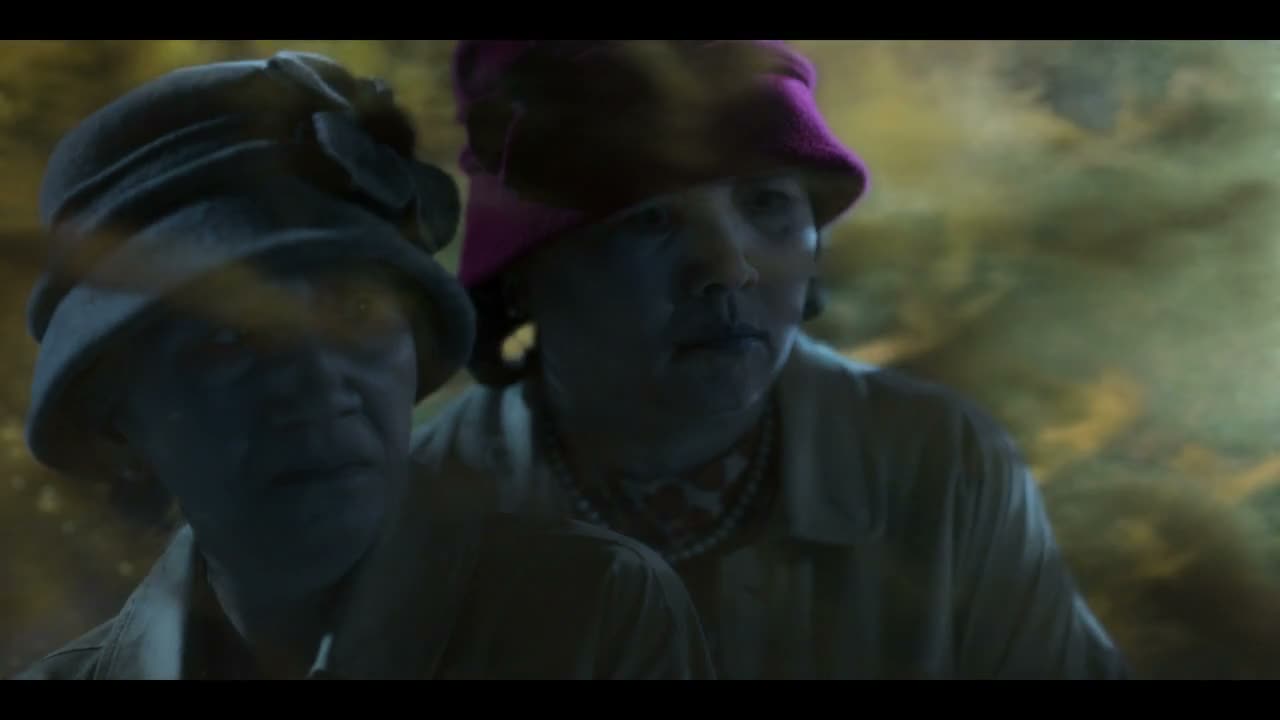
《COURT!》 S1·E11 (33:49)
HSK 6
nǐ ér zi dà le dé xué huì fàng shǒu
你儿子大了 得学会放手
“Your son has grown up. You need to let go.”
《COURT!》
S1·E11
TIMECODE: 33:49
·
1080P MASTER AUDIO
THE DIALOGUE REEL
[-1] PREVIOUS TURN
yǐ qián wǒ zěn me shuō de
以前我怎么说的
“What did I tell you last time?”
nǐ ér zi dà le dé xué huì fàng shǒu
CURRENT FOCUS
你 儿子 大 了 得 学会放手
“Your son has grown up. You need to let go.”
[+1] FOLLOW-UP TURN
nà yào shì wǒ tiān tiān
那要是我天天
“If I keep you in check”
Subtitles synced to millisecond timecode
Browse Show Clips →
Scene:
Family & Home
Function:
GIVING ADVICE
Tone:
ADMONISHING
Emotion:
EARNESTNESS
WHAT THEY REALLY MEAN (PRAGMATIC SUBTEXT)
“You are smothering him; stop treating him like a helpless kid.”
💡 Cultural Insight: Parental Boundary Anxiety
In traditional Chinese families, parental involvement often extends deeply into adult children's lives; modern discourse frequently highlights the need for parents to 'let go' (放手) to allow personal autonomy.
INTENT TAGS:
#advice
#boundary_setting
#parenting
#criticism
🧩
2 CHUNKS · 1 PARTICLES
LEARNING CHUNKS & PARTICLES
长大了
SPOKEN CHUNK
has grown up
Used to denote maturity and adulthood, often as a justification for independence.
学会放手
SPOKEN CHUNK
learn to let go
A widely used modern idiom/phrase regarding parenting, relationships, and relinquishing control.
Modal Particle「了」 (le)
CHANGE OF STATE
Marks the completed change of state indicating the child is now an adult.
🏮
2 EXPR · 3 GRAMMAR
VOCABULARY & EXPRESSIONS
COLLOQUIAL EXPRESSIONS:
CROSS-CINEMA CORPUS BOARD · PARALLEL SCENES
EXPLORE BY SEMANTIC SIMILARITY
Parallel Spoken Cinema Scenes (语义近邻切片)
《COURT!》 S1·E11 (33:49) · Authentic Cinema Dialogue Corpus