是吧 大侄儿 去 谁是你大侄儿
“Right, nephew? Get lost. Who's your nephew?”
THE DIALOGUE REEL
当然
“Of course.”
是吧 大侄儿 去 谁是你大侄儿
“Right, nephew? Get lost. Who's your nephew?”
大侄儿 大爹
“Nephew. Uncle.”
“Don't try to play elder with me; we are equals and you have no right to call me nephew.”
In Chinese social interactions, claiming to be an older generation relative (like calling a friend 'nephew') is a classic teasing trope to assert playful dominance.
LEARNING CHUNKS & PARTICLES
get out / get lost / stop it
A sharp, colloquial interjection used among close friends or peers to brush off teasing or absurd remarks.
who is your... / I am not your...
A standard rhetorical retort used to vehemently reject a label, relationship, or honorific imposed by the listener.
Prompts agreement in a smug or sarcastic manner before the counter-attack.
VOCABULARY & EXPRESSIONS
Parallel Spoken Cinema Scenes (语义近邻切片)

“Nephew, you can't say that.”

“others treat me very politely.”

“I have a presumptuous request.”
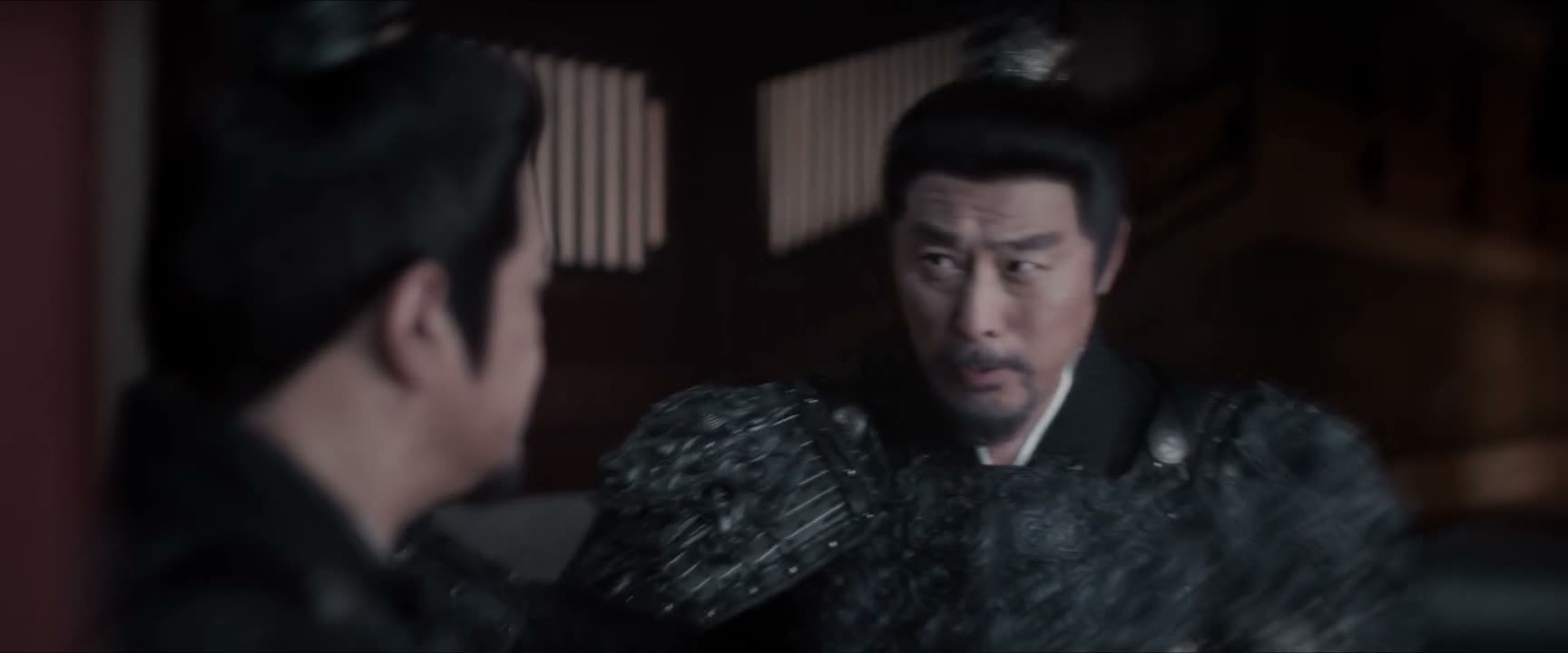
“I won't be there for my nephew's birth.”
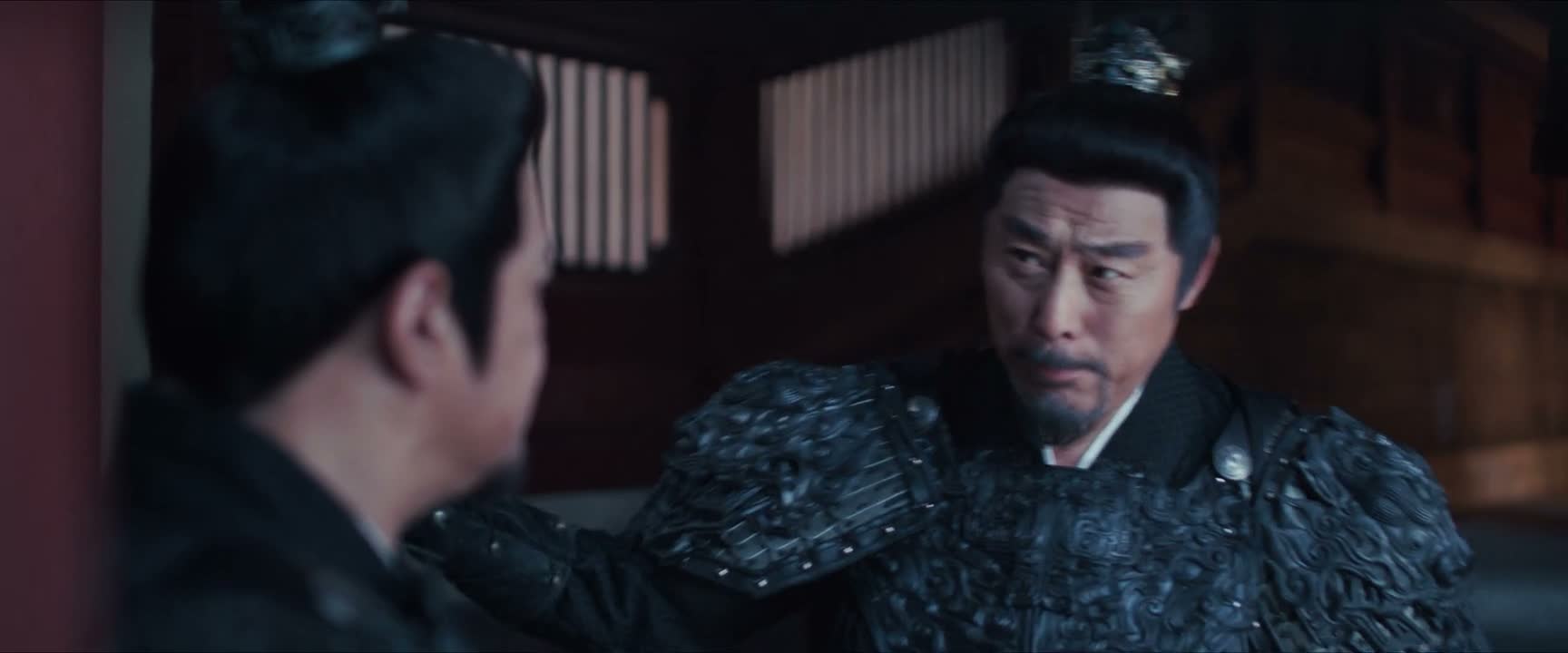
“I won't be there for my nephew's birth.”

“Your nephew is a growing boy. Why take his food?”