谁动我的中堂了
“Who moved my hall scroll?”
THE DIALOGUE REEL
“Yes. Paying my respects to you, Master.”
谁 动我的中堂 了
“Who moved my hall scroll?”
大爹 大爹 谁啊 我我我 我打扫卫生
“Uncle, Uncle. -Who? -I… I moved it”
“Who dared to mess with my prized painting without my permission?”
In traditional Chinese residences, the Zhongtang is the focal point of the home where ancestral spirits and family honor are honored, making it taboo for juniors to disturb items placed there without permission.
LEARNING CHUNKS & PARTICLES
central hall scroll or central reception hall
Refers traditionally to a large vertical painting or calligraphy scroll hung in the center of the main hall of a traditional Chinese home.
who moved or who touched
A very common colloquial pattern used to express annoyance when personal items have been tampered with.
Marks an aspectual change of state, indicating that the action of touching or moving has already occurred.
VOCABULARY & EXPRESSIONS
Parallel Spoken Cinema Scenes (语义近邻切片)
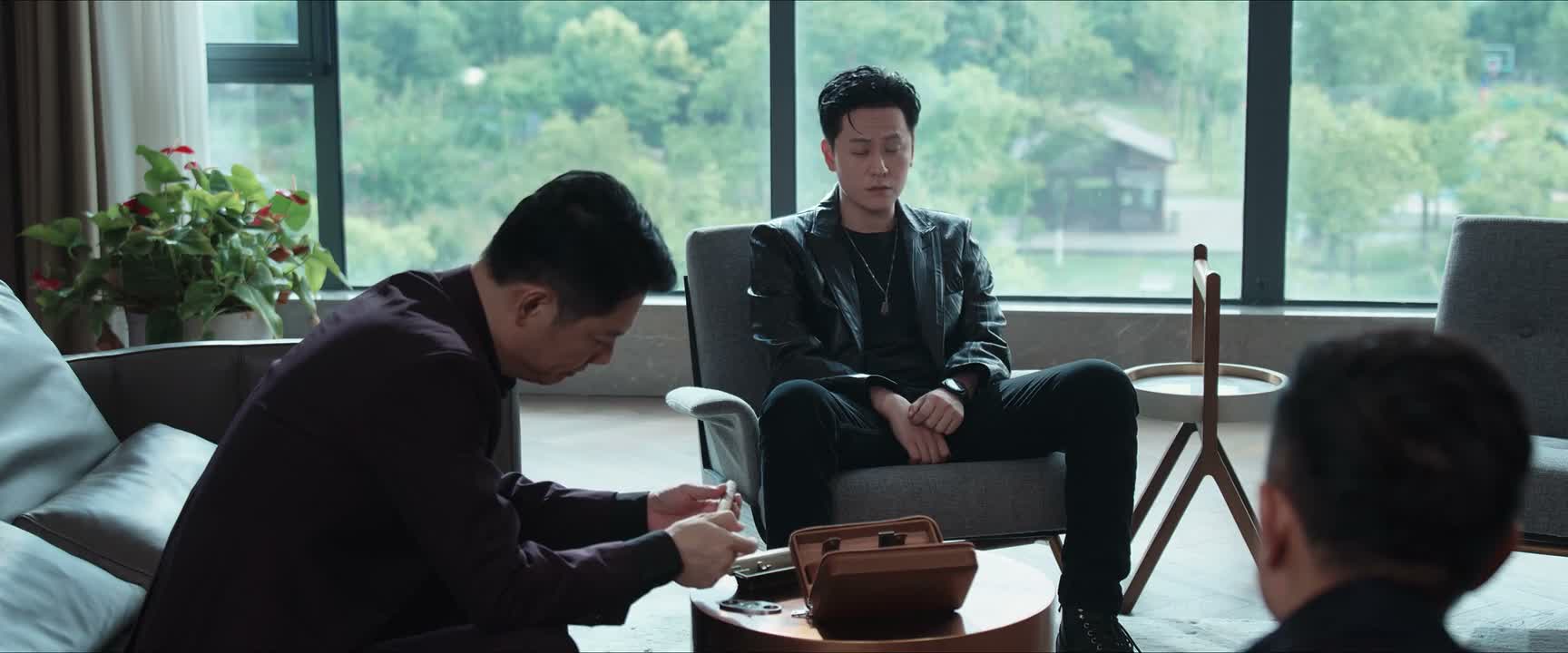
“I'll go after them. I mean what I say.”

“He can't touch me,”

“my heart began to change.”

“for him to construct. It means nothing.”
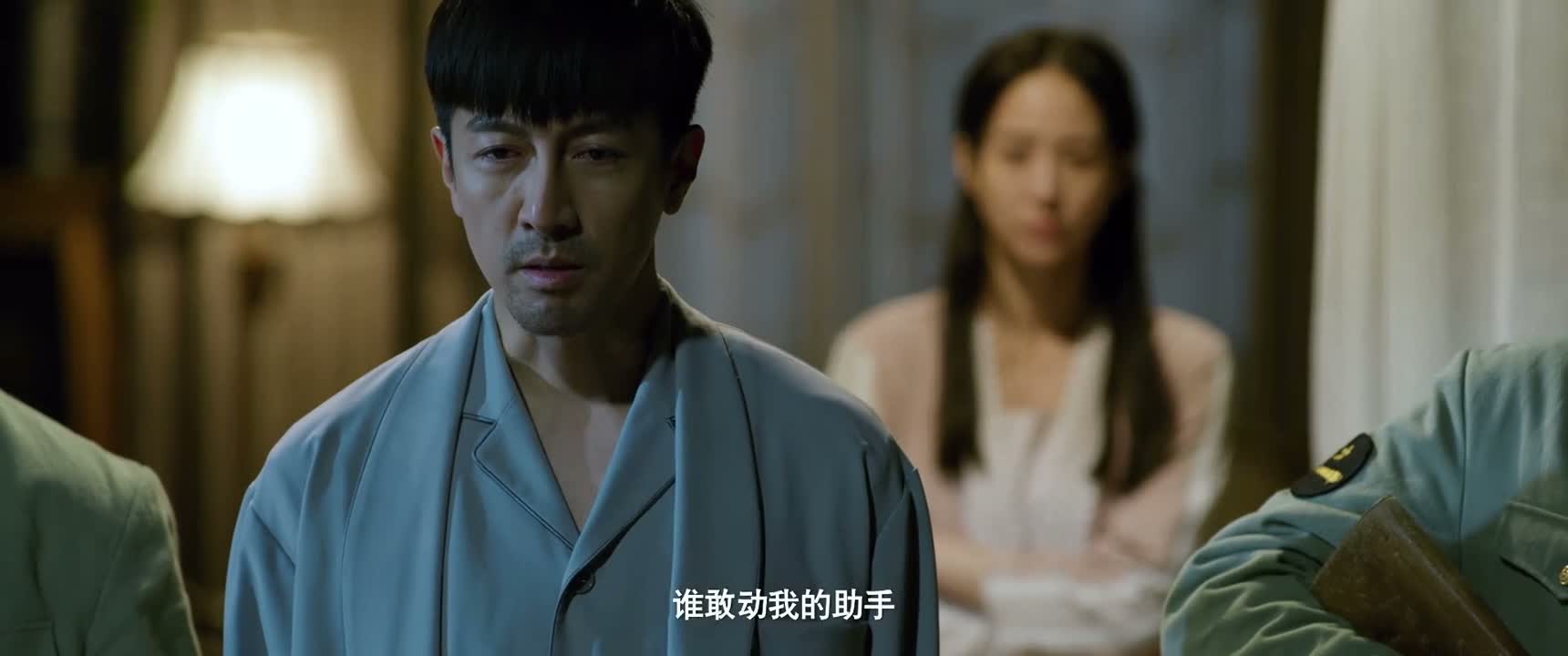
“Whoever dares to touch my assistant”

“no one shall lay a finger on me.”