等啥嘛 动起来
“What are you waiting for? Move!”
THE DIALOGUE REEL
《幽会》那一折走一下
“Let's run through You Hui.”
等啥嘛 动起来
“What are you waiting for? Move!”
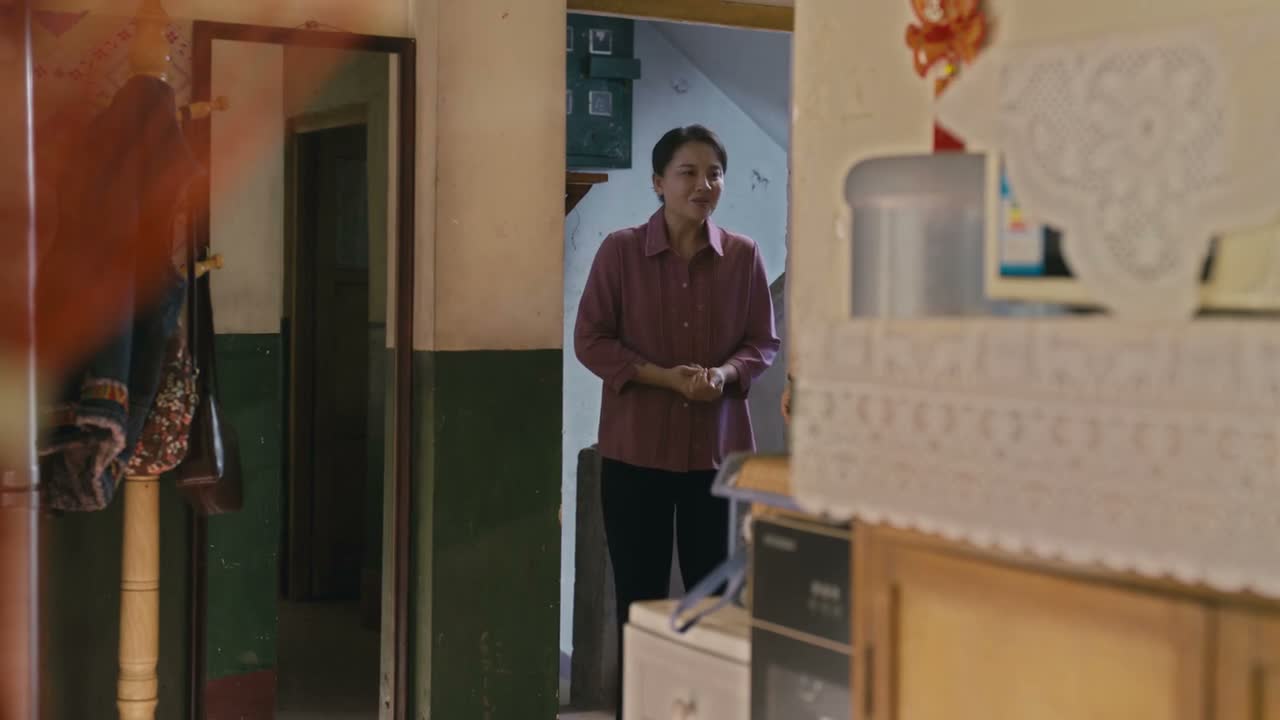
师傅 麻烦问一下 咱这儿住着有一个卖凉皮的
“Excuse me, sir. Is there a liangpi seller living here?”
Direct spoken expression in this communicative setting.
In traditional performance and workshop culture, senior practitioners or directors routinely use brisk, unvarnished imperatives to maintain discipline and momentum.
LEARNING CHUNKS & PARTICLES
What are you waiting for?
A colloquial rhetorical phrase used to prompt immediate action when people are hesitating or stalling.
get moving; take action
A standard imperative used by directors, coaches, or team leaders to mobilize a group.
Conveys urge and slight impatience while signaling that action should be obvious.
VOCABULARY & EXPRESSIONS
Parallel Spoken Cinema Scenes (语义近邻切片)

“What are you doing? What's the point?”

“What's everyone doing here?”

“What is all this nonsense?”

“You scared me!”
“Listen, I have something to tell you.”

“where are you going? Let's have a meeting.”