吓死我了 你怎么知道我来了呀
“You scared me. How did you know it was me?”
THE DIALOGUE REEL
来了
“You're here.”
吓死我了 你怎么知道 我来 了呀
“You scared me. How did you know it was me?”
你身上有一股特别的味道
“You have a special scent.”
Direct spoken expression in this communicative setting.
Close friends or romantic partners often use exaggerated exclamations like 'scared me to death' as a cozy, playful conversational icebreaker.
LEARNING CHUNKS & PARTICLES
Scared me to death; what a fright
A highly colloquial exaggeration used when startled in casual contexts.
How did you know?
A standard conversational phrase used to express mild wonder or curiosity about how someone figured something out.
Marks a change of state and intensifies the feeling of being suddenly startled.
Softens the interrogative tone into a playful, affectionate, and lighthearted inquiry.
VOCABULARY & EXPRESSIONS
Parallel Spoken Cinema Scenes (语义近邻切片)
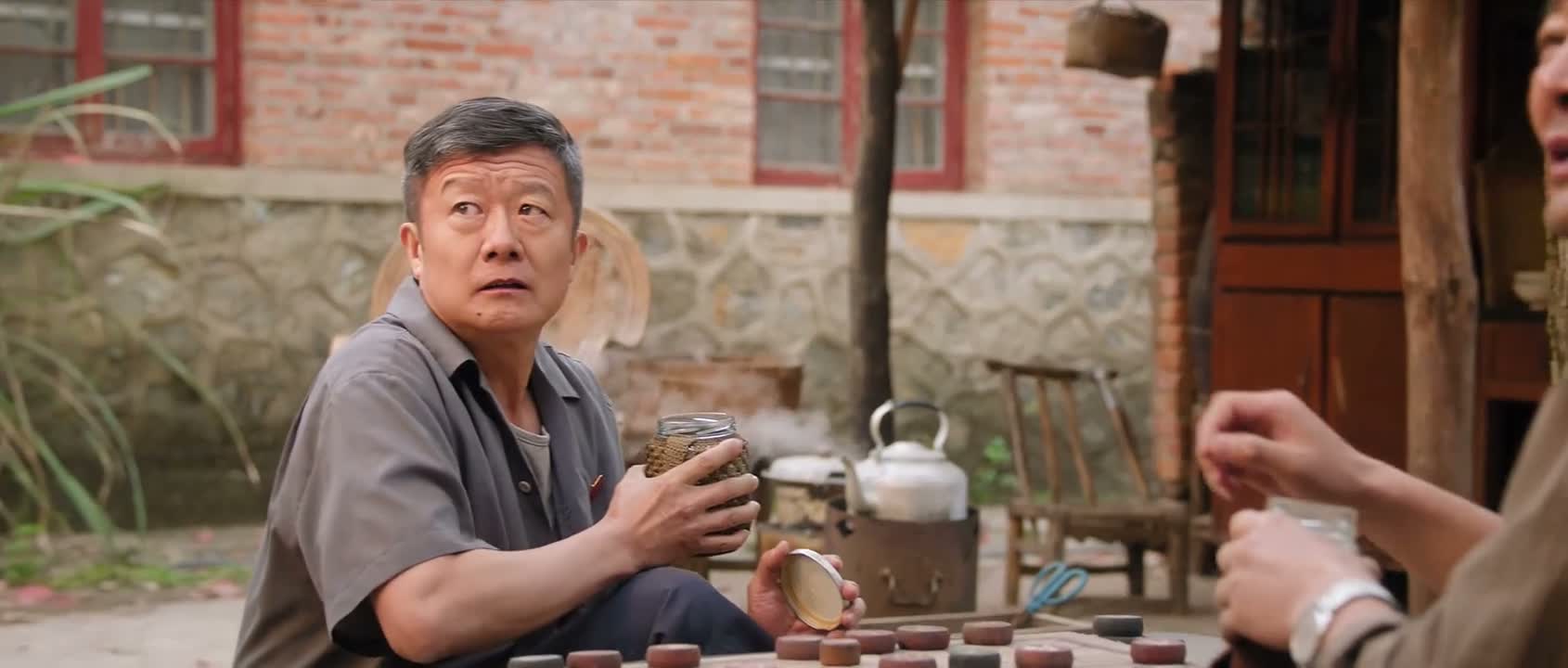
“You scared me. What are you doing here?”

“You scared me— I thought it was someone big. This is a rare opportunity.”

“You scared me to death! Why are you so jumpy?”
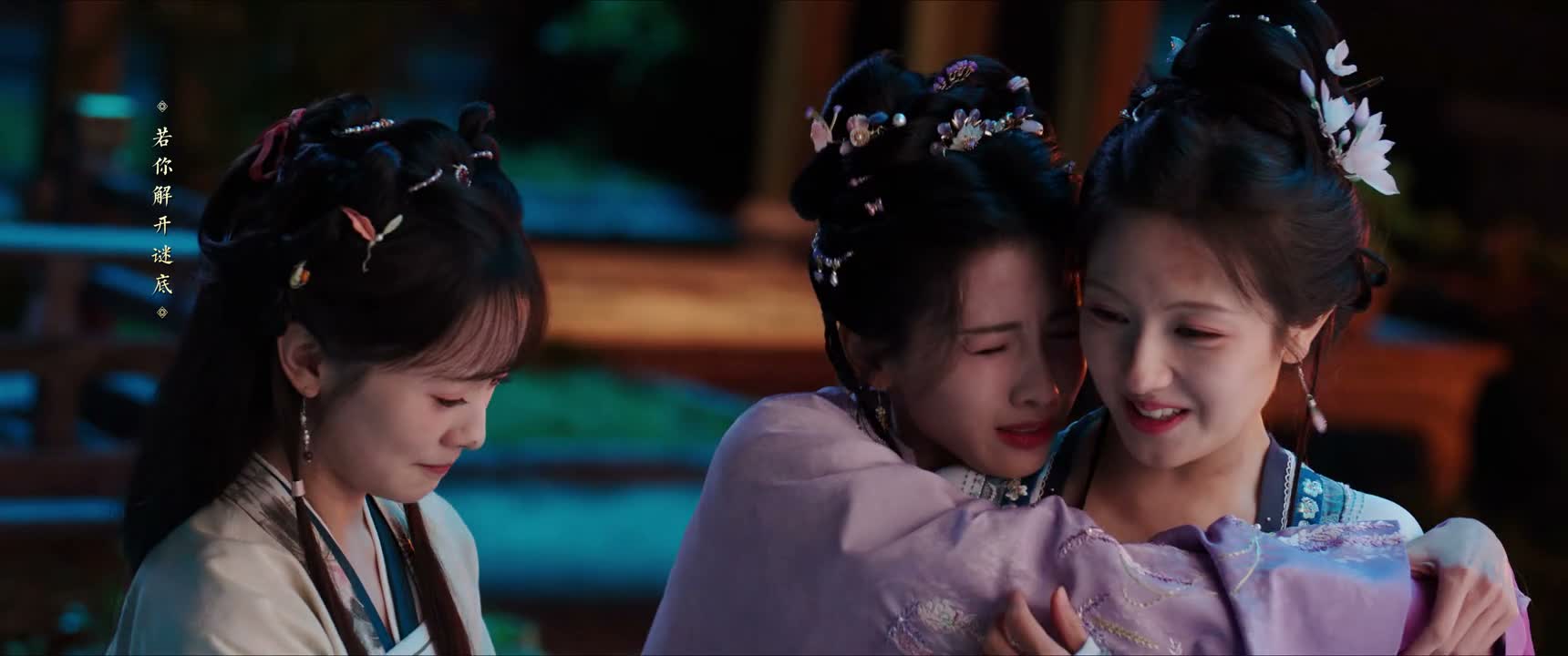
“♪ If you unveil the mystery ♪ You scared the hell out of me. It's alright, it's alright. ♪ And walk through this journey with me ♪”

“You scared me to death. I thought you mistook her for your mother.”
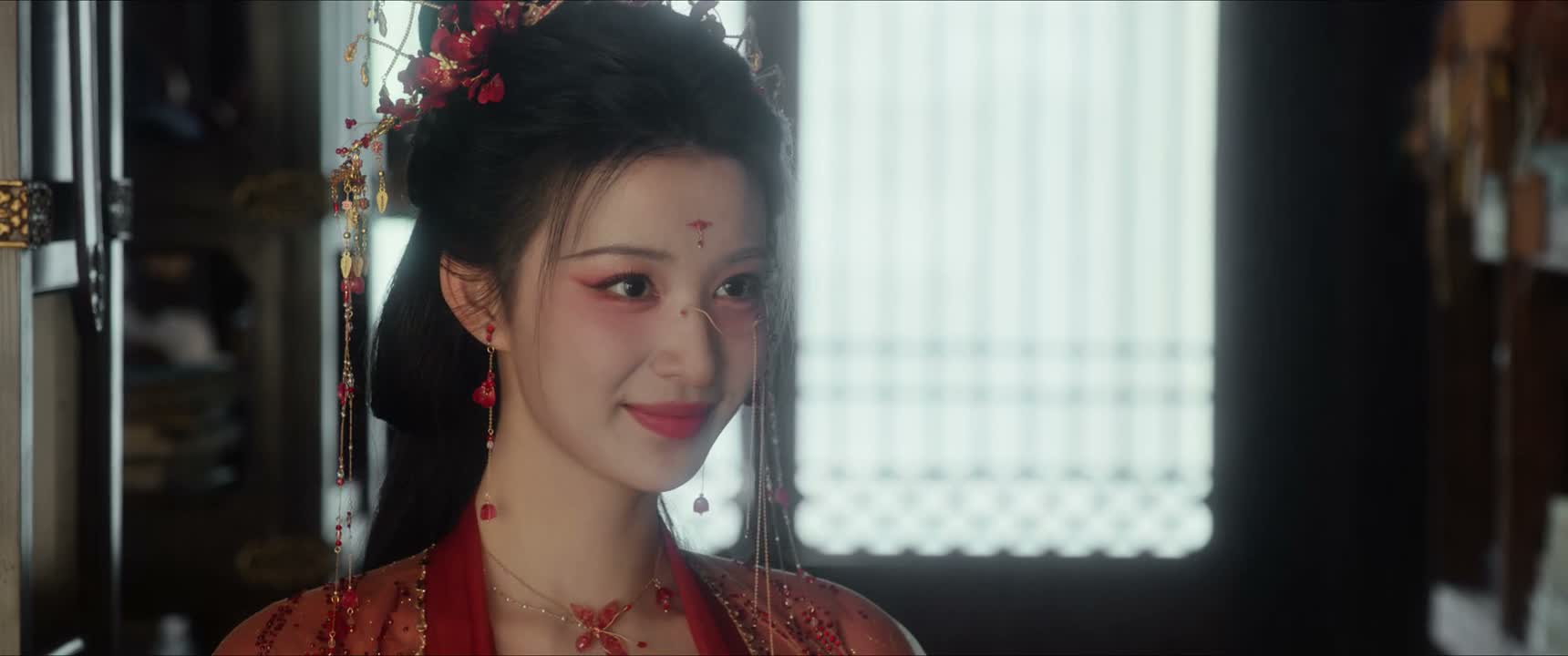
“I was almost scared to death. I thought I remembered it wrong.”