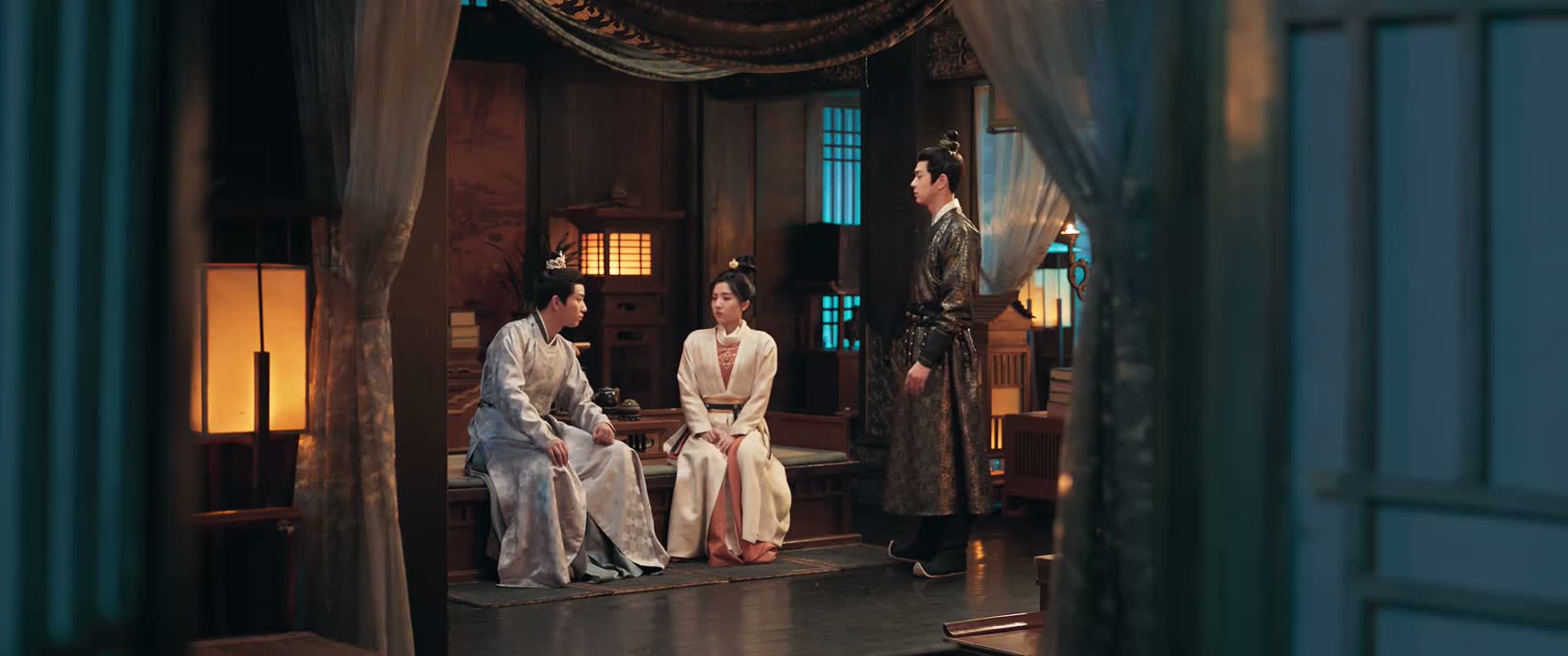
不想剖开他的尸首之后
“But after cutting open his corpse,”
THE DIALOGUE REEL
便想要寻他的灵根
“and wanted to find his immortal perception.”
不想剖开他的尸首之后
“But after cutting open his corpse,”
发现他肚子里
“they found that his stomach”
Direct spoken expression in this communicative setting.
Desecrating a corpse (剖尸) is viewed with utmost horror in traditional Chinese thought, representing the crossing of a profound moral threshold often seen in dark cultivation tales.
LEARNING CHUNKS & PARTICLES
unexpectedly; to one's surprise
A classical and literary conjunction used in spoken storytelling to introduce a shocking twist or unanticipated turn of events.
to cut open; to dissect
Combines the verb 'pou' (to cut/dissect) with the resultative complement 'kai' (open).
corpse; dead body
A slightly archaic, traditional term for a human body or remains, commonly encountered in historical fiction.
VOCABULARY & EXPRESSIONS
Parallel Spoken Cinema Scenes (语义近邻切片)

“but an unauthorized autopsy is more than a capital crime.”

“they might as well make his body more useful.”
“His eagerness clearly means he doesn't want us near the corpse first.”