MC
MandarinClips Cinema Corpus
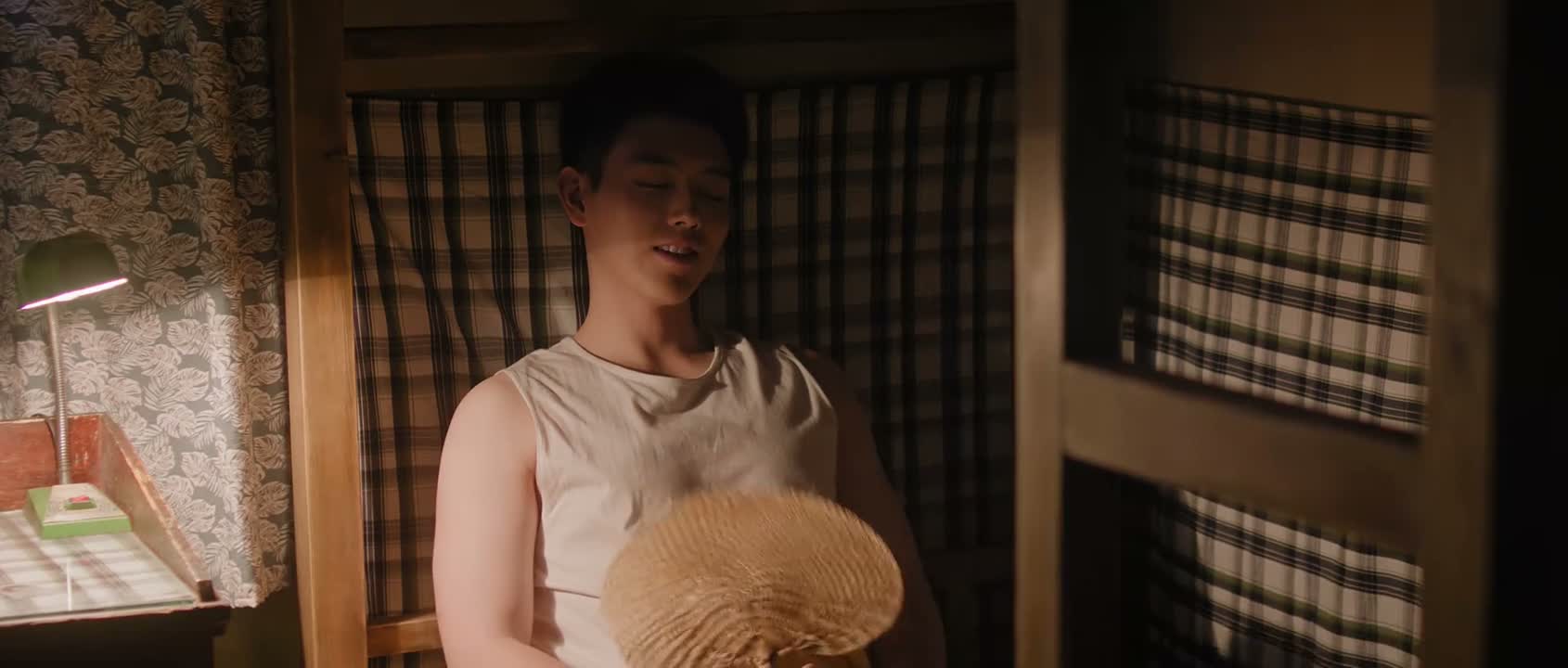
《Go Ahead》 S1·E22 (17:57) HSK 3
nà wǒ shì bú shì hái dé gēn nǐ cháng huí jiā kàn kàn a wǒ xiè xiè nǐ a

那我是不是还得跟你 常回家看看啊 我谢谢你啊

“Then should I often come back home with you? Thank you.”

《Go Ahead》 S1·E22
TIMECODE: 17:57 · 1080P MASTER AUDIO

THE DIALOGUE REEL

1+1+1 SPOKEN CONTINUITY
[-1] PREVIOUS TURN zhǎo diǎn kòng xián hǎo hǎo sī kǎo shì yìng yī xià

找点空闲 好好思考适应一下

“leisure time to think about it and adjust to it.”

nà wǒ shì bú shì hái dé gēn nǐ cháng huí jiā kàn kàn a wǒ xiè xiè nǐ a CURRENT FOCUS

那 我是 不是 还得 跟你 常回家看看 啊 我谢谢你啊

“Then should I often come back home with you? Thank you.”

[+1] FOLLOW-UP TURN bù yòng kè qì

不用客气

“You're welcome.”

Subtitles synced to millisecond timecode Browse Show Clips →
Scene: Family & Home
Function: SARCASTIC RETORT
Tone: SARCASTIC
Emotion: IRRITATION
WHAT THEY REALLY MEAN (PRAGMATIC SUBTEXT)
“Who do you think you are, lecturing me like my parent? Back off.”
💡 Cultural Insight: Sarcastic Weaponization of Filial Tropes

'Chang Hui Jia Kan Kan' is a cultural anthem about visiting elderly parents; quoting it ironically weaponizes traditional expectations to call out overstepping boundaries.

INTENT TAGS: #sarcasm #mockery #pushback #rejection
🧩

LEARNING CHUNKS & PARTICLES

2 CHUNKS · 1 PARTICLES
常回家看看 SPOKEN CHUNK

frequently visit home / check in on parents

Derived from a famous Chinese cultural song about filial piety; here used ironically to highlight unwarranted parental lecturing.

我谢谢你啊 SPOKEN CHUNK

thanks a lot / thank you very much (sarcastic)

A classic spoken expression that almost always conveys annoyance and biting sarcasm rather than genuine gratitude.

Modal Particle「啊」 (a) CHANGE OF STATE

Enhances the rhetorical and biting sarcastic edge of the remark.
🏮

VOCABULARY & EXPRESSIONS

5 EXPR · 0 GRAMMAR
CROSS-CINEMA CORPUS BOARD · PARALLEL SCENES

Parallel Spoken Cinema Scenes (语义近邻切片)

EXPLORE BY SEMANTIC SIMILARITY
《Go Ahead》 S1·E22 (17:57) · Authentic Cinema Dialogue Corpus