你有火朝他发呗
“You went on a blind date. Take your anger out on him.”
THE DIALOGUE REEL
“Don't you have a boyfriend now? You went on a blind date. Take your anger out on him.”
你 有火朝他发 呗
“You went on a blind date. Take your anger out on him.”
啥男朋友
“What boyfriend?”
“Don't take your bad mood out on me; go confront the guy responsible.”
In informal Chinese interactions, people often use 'zhao ta fa' to push back when they feel unfairly targeted by someone who is merely projecting frustration caused by third-party romantic complications.
LEARNING CHUNKS & PARTICLES
having anger/frustration
Common spoken phrase representing pent-up irritation or temper.
vent or direct anger toward someone
A frequently used collocation used to describe taking out emotions on a specific target.
Softens the imperative while conveying a casual, obvious, or slightly dismissive suggestion.
VOCABULARY & EXPRESSIONS
Parallel Spoken Cinema Scenes (语义近邻切片)

“I bought you some lollipops on the way. Try one. No.”

“Please do me a favor. I'm begging you.”
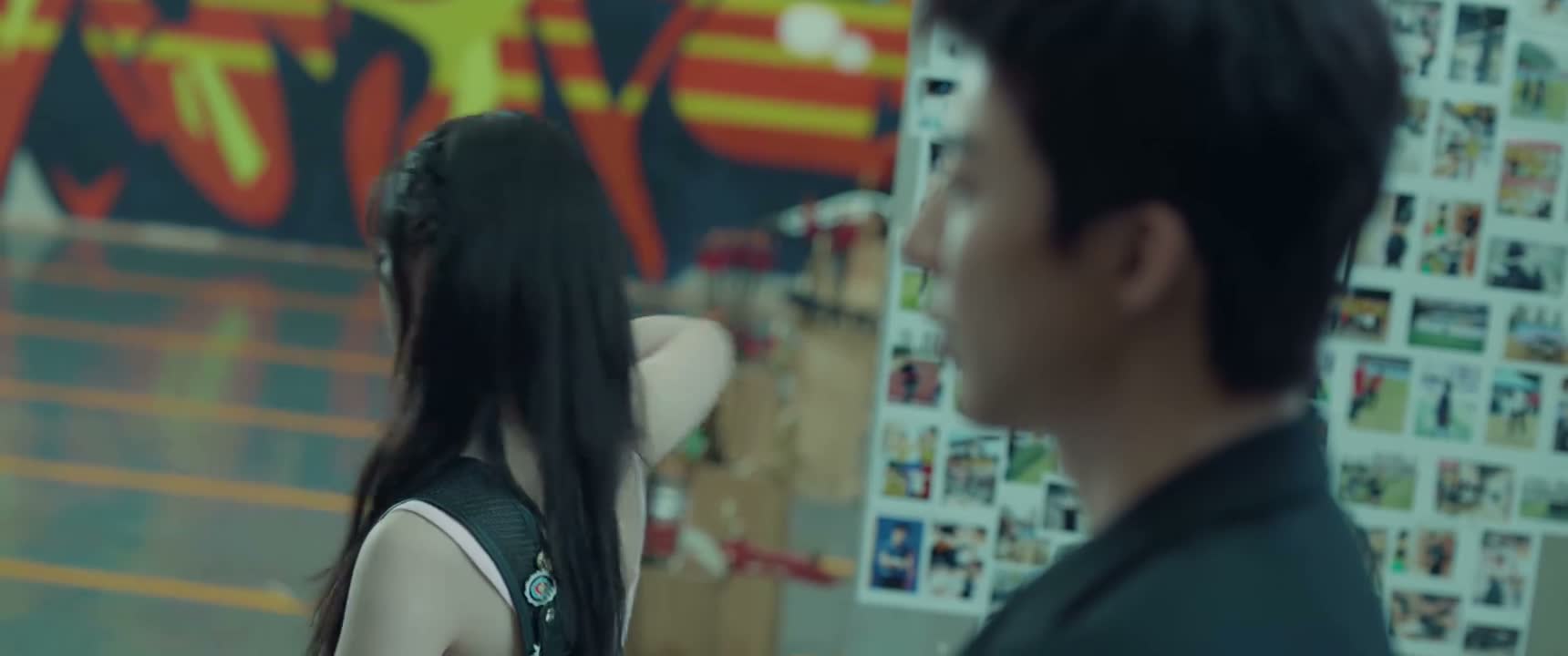
“the reason you got so mad that day”
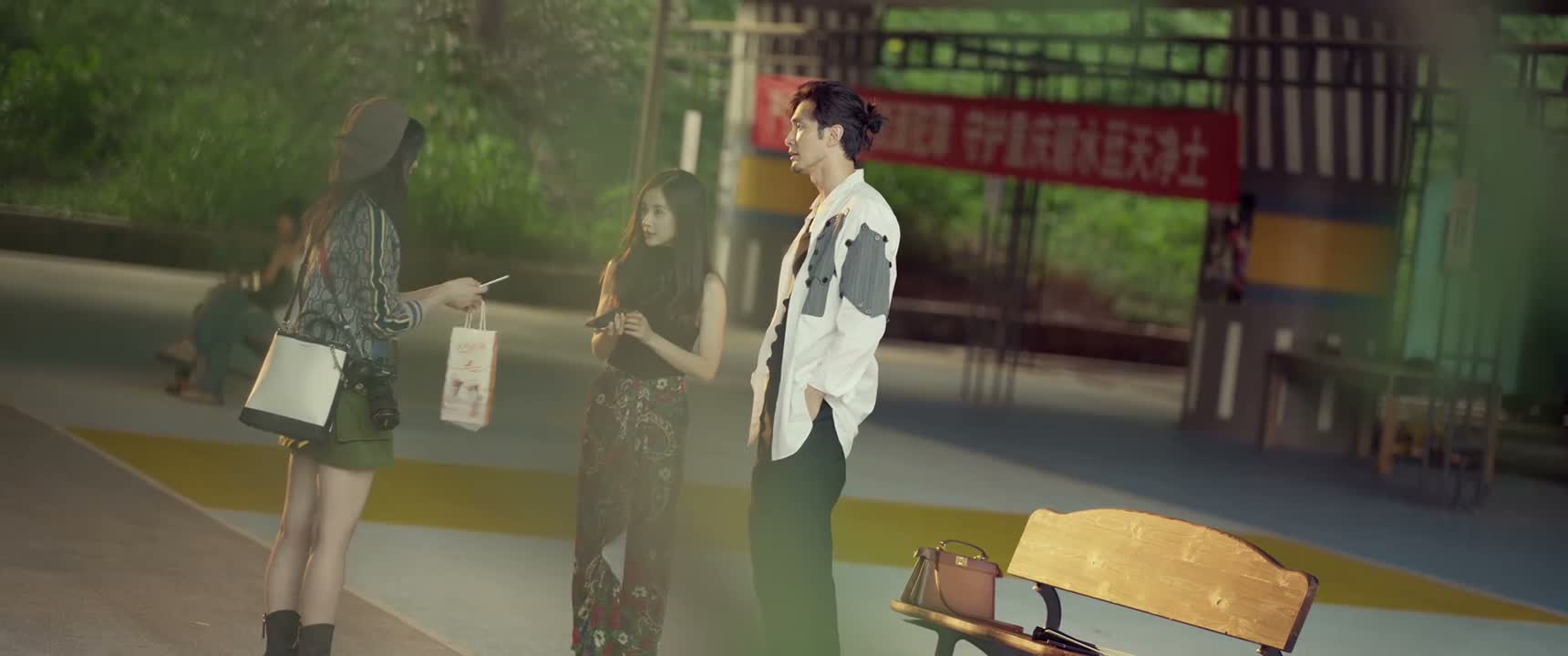
“Then I'll add you, and send it.”
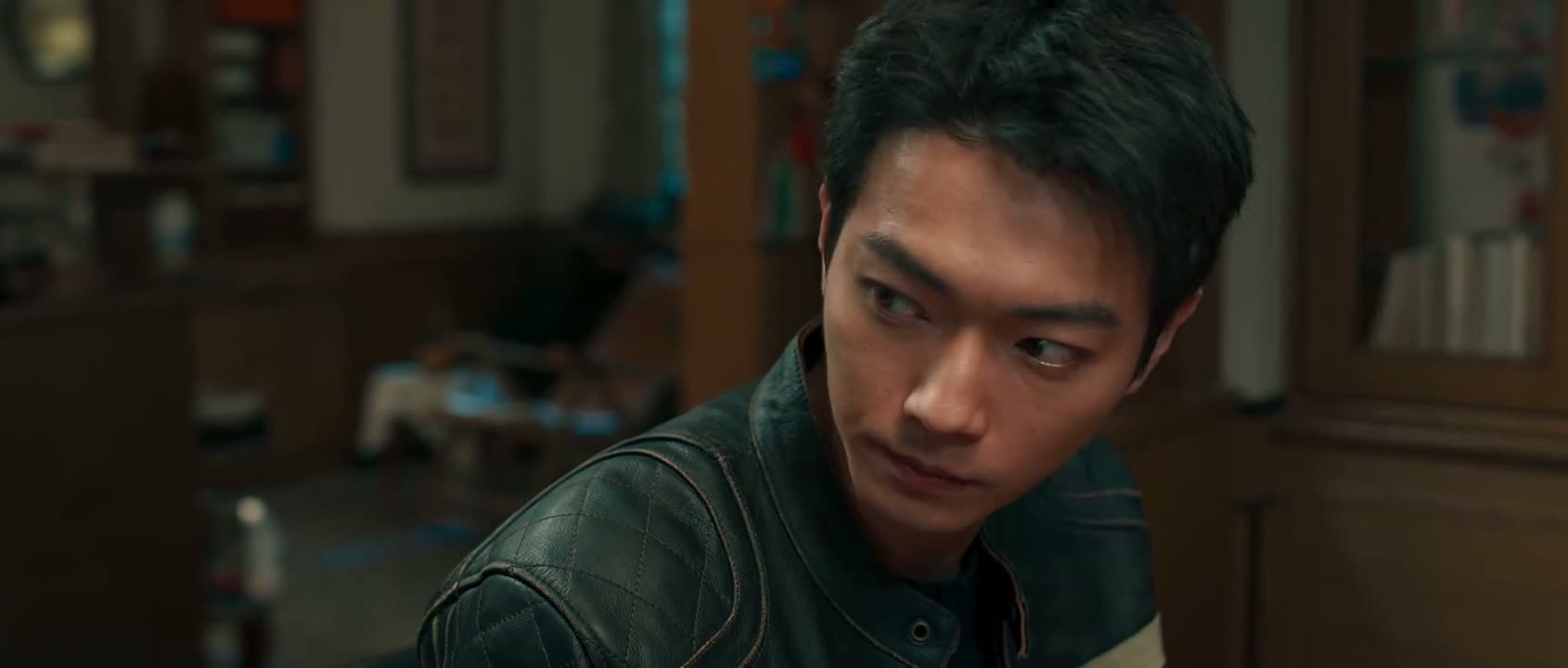
“you learned it from him, right?”
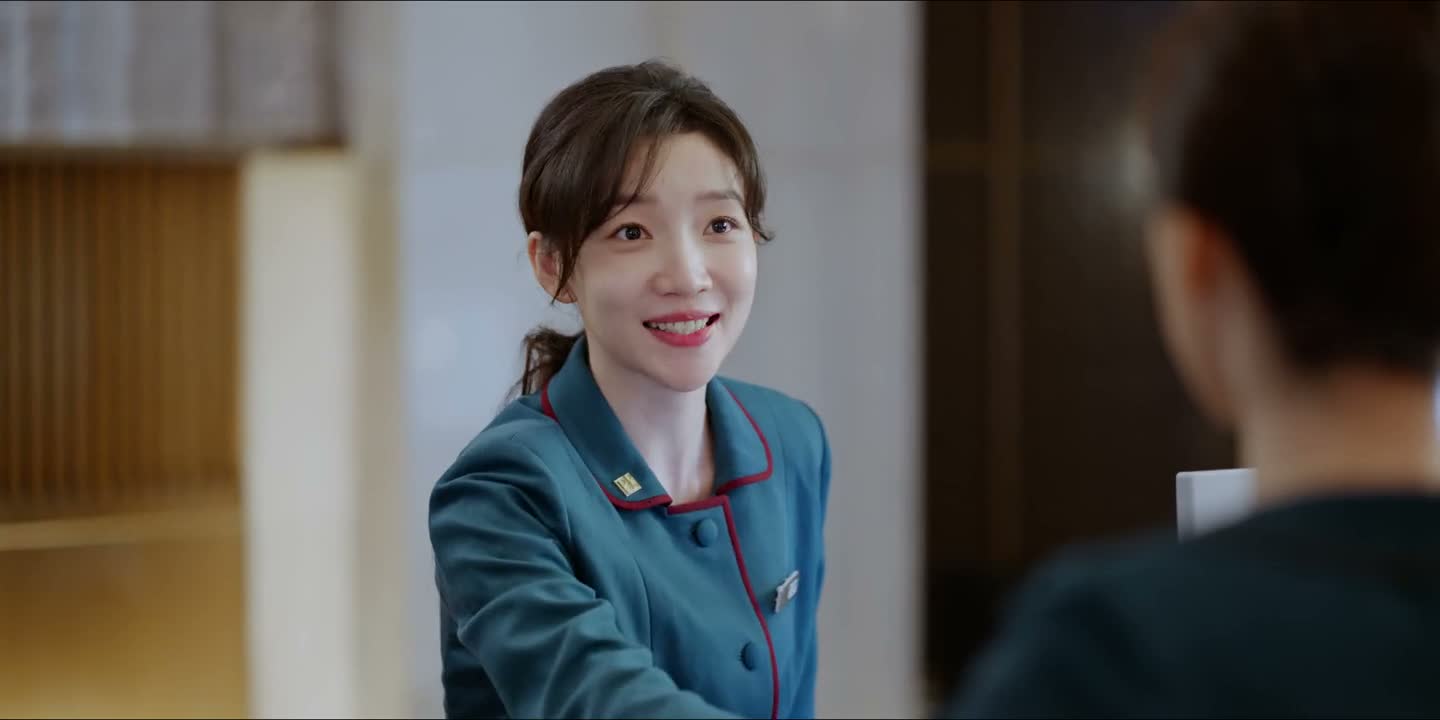
“could you bring this to him for me?”