MC
MandarinClips Cinema Corpus
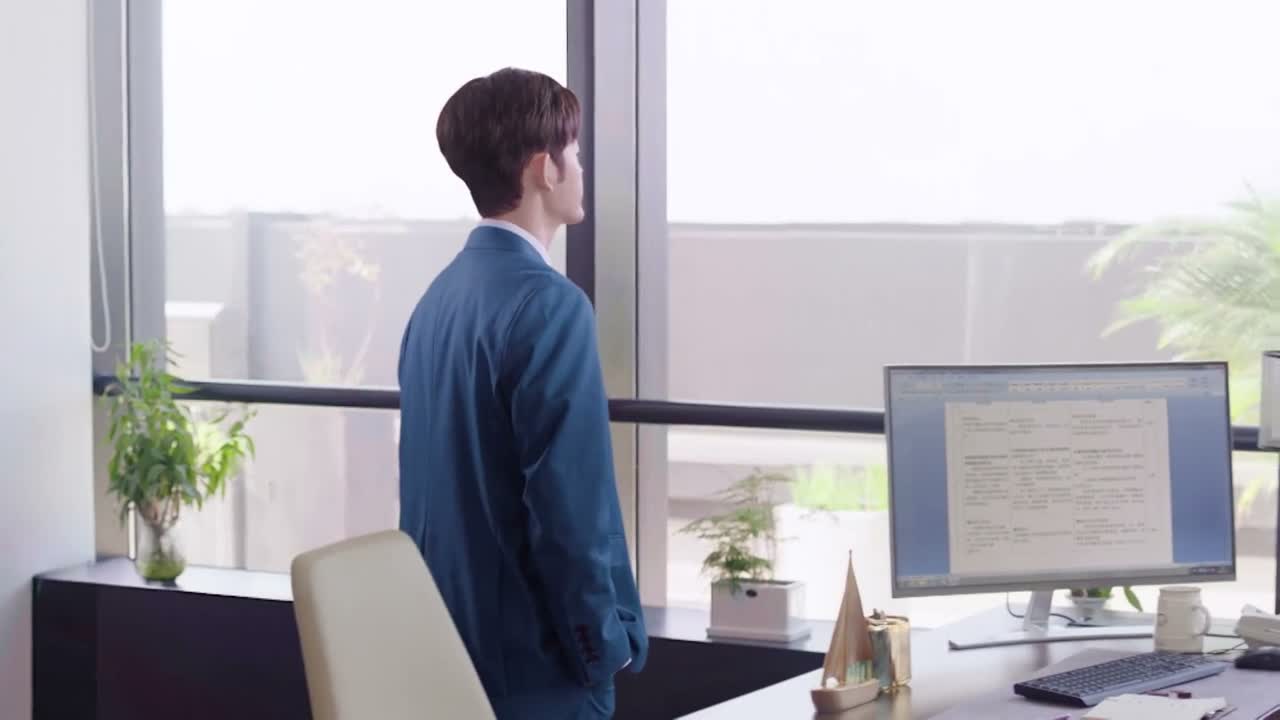
《Vanished Name》 S1·E7 (11:49) HSK 6
wǒ dào chéng le nà ge pāo jiā qì zi de rén shì de

我倒成了那个抛家弃子的人似的

“Suddenly, I was like the one abandoning the family.”

《Vanished Name》 S1·E7
TIMECODE: 11:49 · 1080P MASTER AUDIO

THE DIALOGUE REEL

1+1+1 SPOKEN CONTINUITY
[-1] PREVIOUS TURN jiù zài yì qǐ hǎo hǎo guò ba

就在一起好好过吧

“Stop fussing and just live together properly."”

wǒ dào chéng le nà ge pāo jiā qì zi de rén shì de CURRENT FOCUS

我倒 成了 那个 抛家弃子 的人 似的

“Suddenly, I was like the one abandoning the family.”

[+1] FOLLOW-UP TURN zhè jiào shá shì ér

这叫啥事儿

“What mess is this?”

Subtitles synced to millisecond timecode Browse Show Clips →
Scene: Family & Home
Function: VOICING GRIEVANCE
Tone: AGGRIEVED
Emotion: FRUSTRATION
WHAT THEY REALLY MEAN (PRAGMATIC SUBTEXT)
“Why am I being treated like the villain here when I'm not the one who messed up?”
💡 Cultural Insight: Family Moral Duty

In Chinese culture, abandoning family responsibilities carries immense social and moral condemnation, making such accusations particularly painful.

INTENT TAGS: #defensiveness #complaint #grievance #irony
🧩

LEARNING CHUNKS & PARTICLES

2 CHUNKS · 1 PARTICLES
倒成了 SPOKEN CHUNK

ended up becoming instead / turns out to be contrary to expectation

Used to express irony or frustration when an unexpected, often unfair outcome occurs.

抛家弃子 SPOKEN CHUNK

abandoning one's home and children

A strong four-character idiom describing someone who forsakes domestic duties and family responsibilities.

Modal Particle「似」 (side) CHANGE OF STATE

Functions as a colloquial suffix marking an analogy or perception ('as if / like').
🏮

VOCABULARY & EXPRESSIONS

3 EXPR · 1 GRAMMAR
CROSS-CINEMA CORPUS BOARD · PARALLEL SCENES

Parallel Spoken Cinema Scenes (语义近邻切片)

EXPLORE BY SEMANTIC SIMILARITY
《Vanished Name》 S1·E7 (11:49) · Authentic Cinema Dialogue Corpus