MC
MandarinClips Cinema Corpus
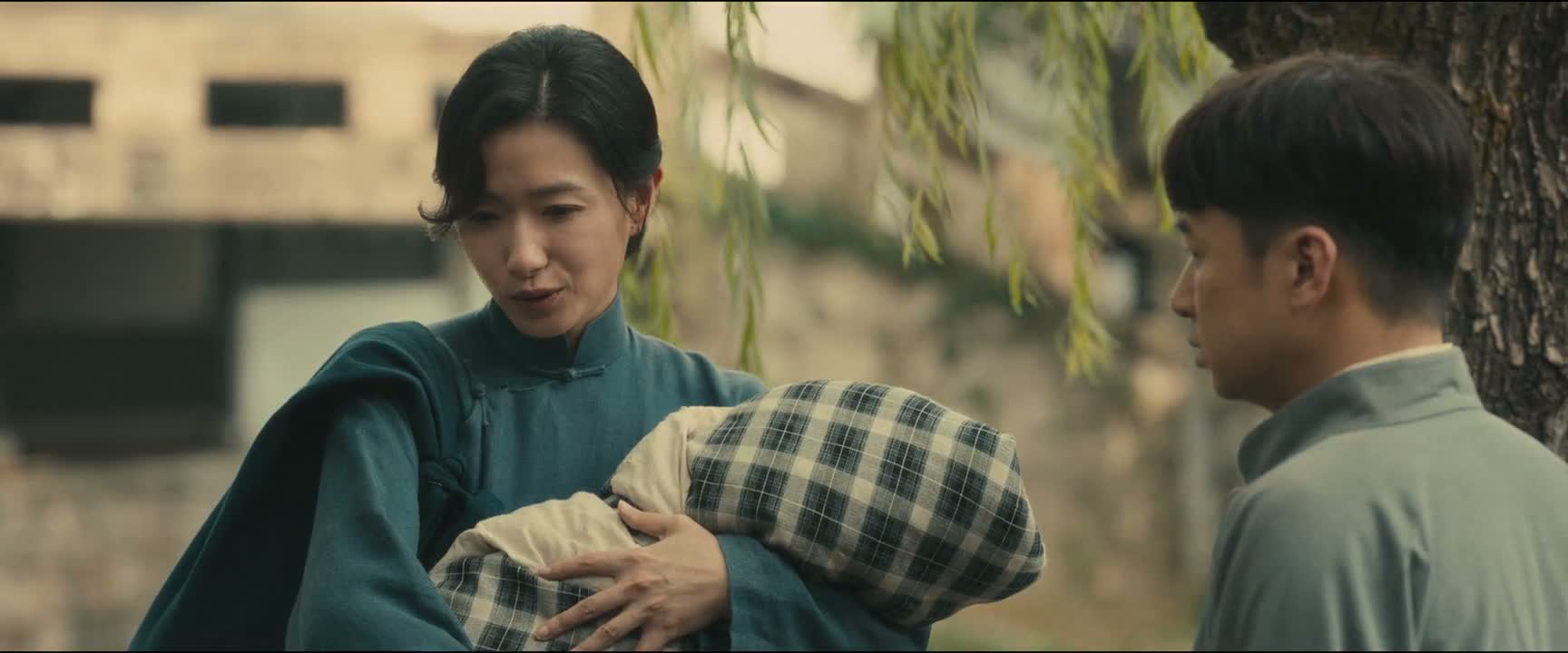
《No Pain No Gain》 S1·E20 (07:46) HSK 3
wǒ dài huí lái yī lǎo péng yǒu shuí a

我带回来一老朋友 谁啊

“I brought back an old friend. Who is it?”

《No Pain No Gain》 S1·E20
TIMECODE: 07:46 · 1080P MASTER AUDIO

THE DIALOGUE REEL

1+1+1 SPOKEN CONTINUITY
[-1] PREVIOUS TURN bù guò péi zǒng hái yǒu yī hǎo xiāo xī

“But there's good news, Mr. Pei.”

wǒ dài huí lái yī lǎo péng yǒu shuí a CURRENT FOCUS

我 带回来 一 老朋友 谁啊

“I brought back an old friend. Who is it?”

[+1] FOLLOW-UP TURN nǐ men jué de shén zhī shān hǎi zhè ge yóu xì bù xíng shì ma

“You think the Divine Mountains and Seas is a bad game, right?”

Subtitles synced to millisecond timecode Browse Show Clips →
Scene: Workplace
Function: INTRODUCING
Tone: PLAYFUL AND SUSPENSEFUL
Emotion: EXCITEMENT
WHAT THEY REALLY MEAN (PRAGMATIC SUBTEXT)
“You'll never guess who I managed to bring along to solve our current problem.”
💡 Cultural Insight: Guanxi and Old Acquaintances (熟人关系)

In Chinese commercial environments, bringing an 'old friend' (老朋友) into a business challenge signals personal trust and mutual history, which often carries more weight than hiring a stranger.

INTENT TAGS: #announcement #creating_suspense #introduction
🧩

LEARNING CHUNKS & PARTICLES

2 CHUNKS · 1 PARTICLES
带回来 SPOKEN CHUNK

bring back / bring along

A directional complement phrase used literally or colloquially to describe recruiting or inviting someone over.

老朋友 SPOKEN CHUNK

old friend / longtime contact

Often used loosely in business to denote a trusted past collaborator or industry acquaintance.

Modal Particle「啊」 (a) CHANGE OF STATE

Softens the interrogative question 'Who is it?', making it sounding naturally prompt and inquisitive.
🏮

VOCABULARY & EXPRESSIONS

3 EXPR · 0 GRAMMAR
CROSS-CINEMA CORPUS BOARD · PARALLEL SCENES

Parallel Spoken Cinema Scenes (语义近邻切片)

EXPLORE BY SEMANTIC SIMILARITY
《No Pain No Gain》 S1·E20 (07:46) · Authentic Cinema Dialogue Corpus