该谢幕的都谢幕了
“Those meant to leave have left.”
THE DIALOGUE REEL
该谢幕的都谢幕了
“Those meant to leave have left.”
以后的舞台
“From now on, the stage”
“Our era is over; it is time for us to step aside and let others take over.”
Chinese culture frequently draws parallels between theatrical performance and human life (Life is like a play), viewing departure from power or the spotlight as taking a natural curtain call.
LEARNING CHUNKS & PARTICLES
to take a curtain call / to bow out (metaphorically, to retire)
Often extended beyond theatrical bows to mean exiting a historical era, career, or public role.
all that should have [verb]ed have already [verb]ed
A common rhetorical pattern signaling closure or completeness.
Marks the completion of an era or phase, underscoring finality.
Parallel Spoken Cinema Scenes (语义近邻切片)

“The climax of this scene is finally coming!”

“Thank you again, Master Qi.”
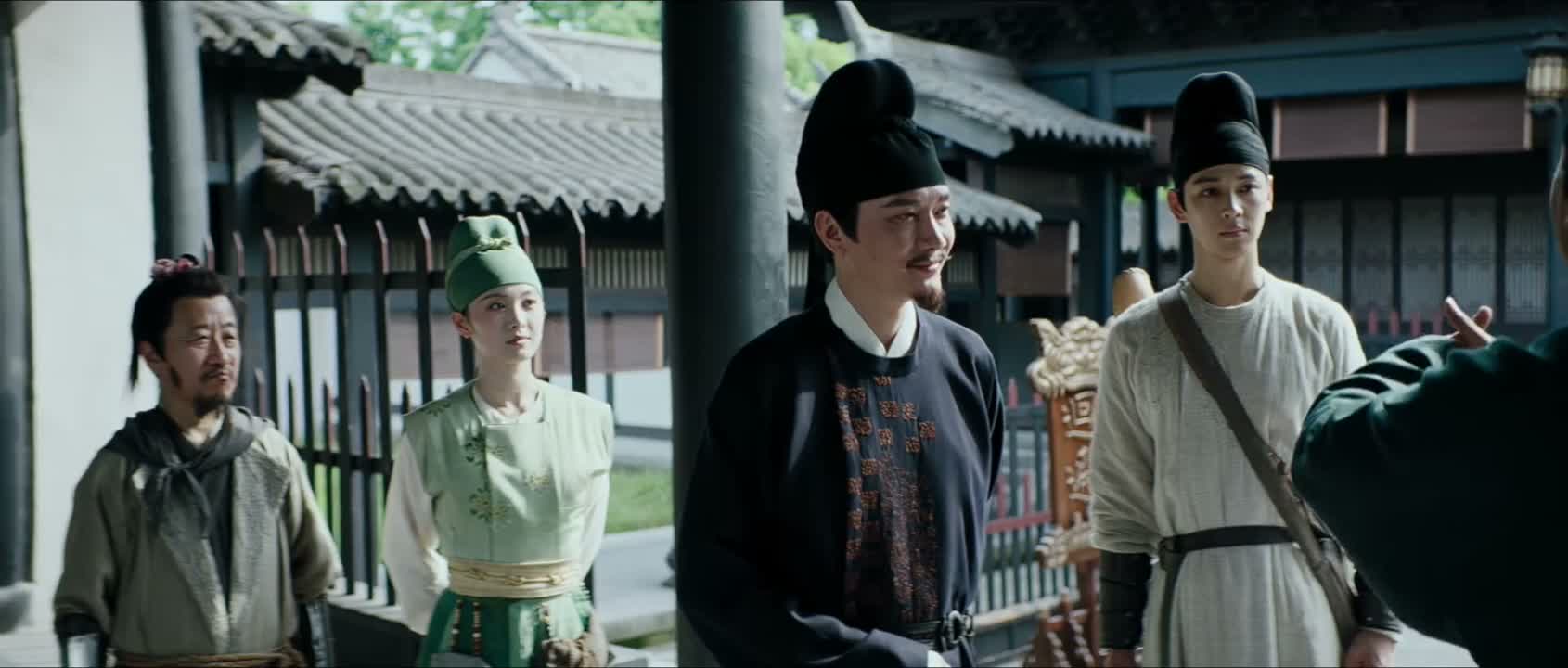
“Thank you so much.”
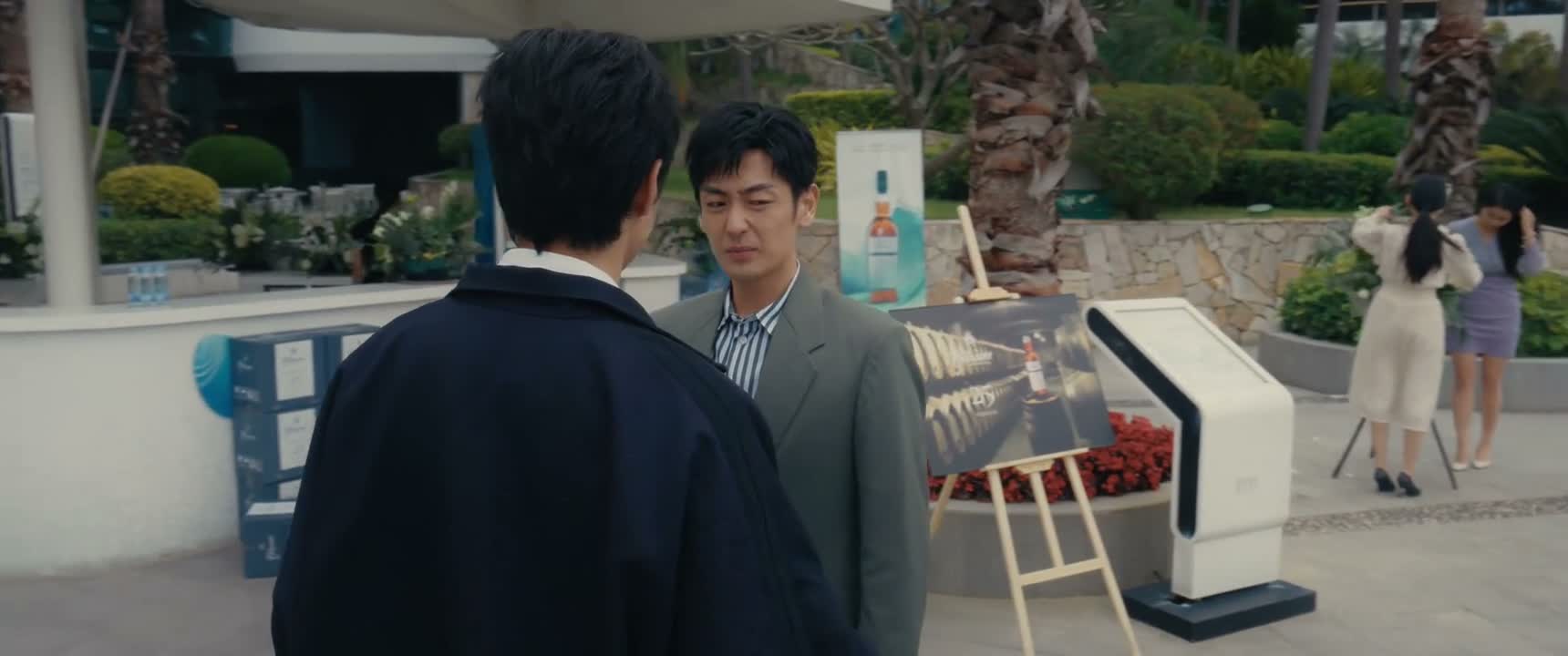
“Isn't that thing over? And he's stepped down.”

“Thank God.”

“This is it. Thank you. You're welcome.”