太弱了嘛 强些 强些
“Too weak. Stronger, stronger.”
THE DIALOGUE REEL
你师父真牛
“Your master is amazing.”
太弱了嘛 强些 强些
“Too weak. Stronger, stronger.”
“Why are you yelling, water boy? - You do it then. - Move.”
Direct spoken expression in this communicative setting.
As seen in the next turn's pushback, traditional Chinese troupes have strict pecking orders where low-ranking errand boys ('water-pourers') are not allowed to critique performers.
LEARNING CHUNKS & PARTICLES
too weak; lacking strength or impact
Commonly used to critique a performance, argument, or competitor that lacks power.
a bit stronger; put more force into it
Adding 'xie' after an adjective functions like 'a bit more', often used in spoken commands or adjustments.
Pairs with 'tai' (too) to express an excessive degree of a quality.
Indicates that the flaw is obvious, adding a tone of mild impatience or complaint.
VOCABULARY & EXPRESSIONS
Parallel Spoken Cinema Scenes (语义近邻切片)

“Too weak. Stronger, stronger. Why don't you do it? Move, move.”
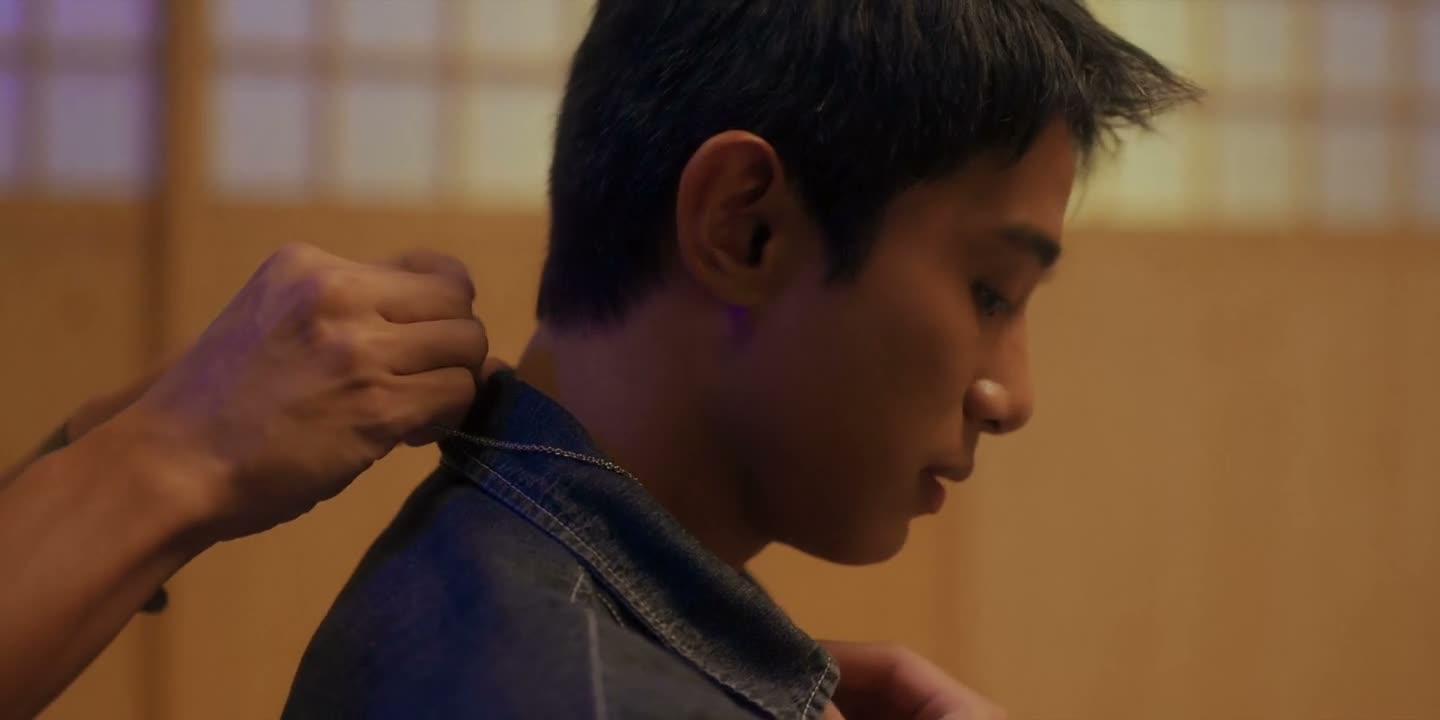
“I'm not that weak now.”

“but because you're not powerful enough.”

“I'm not that amazing. I merely...”
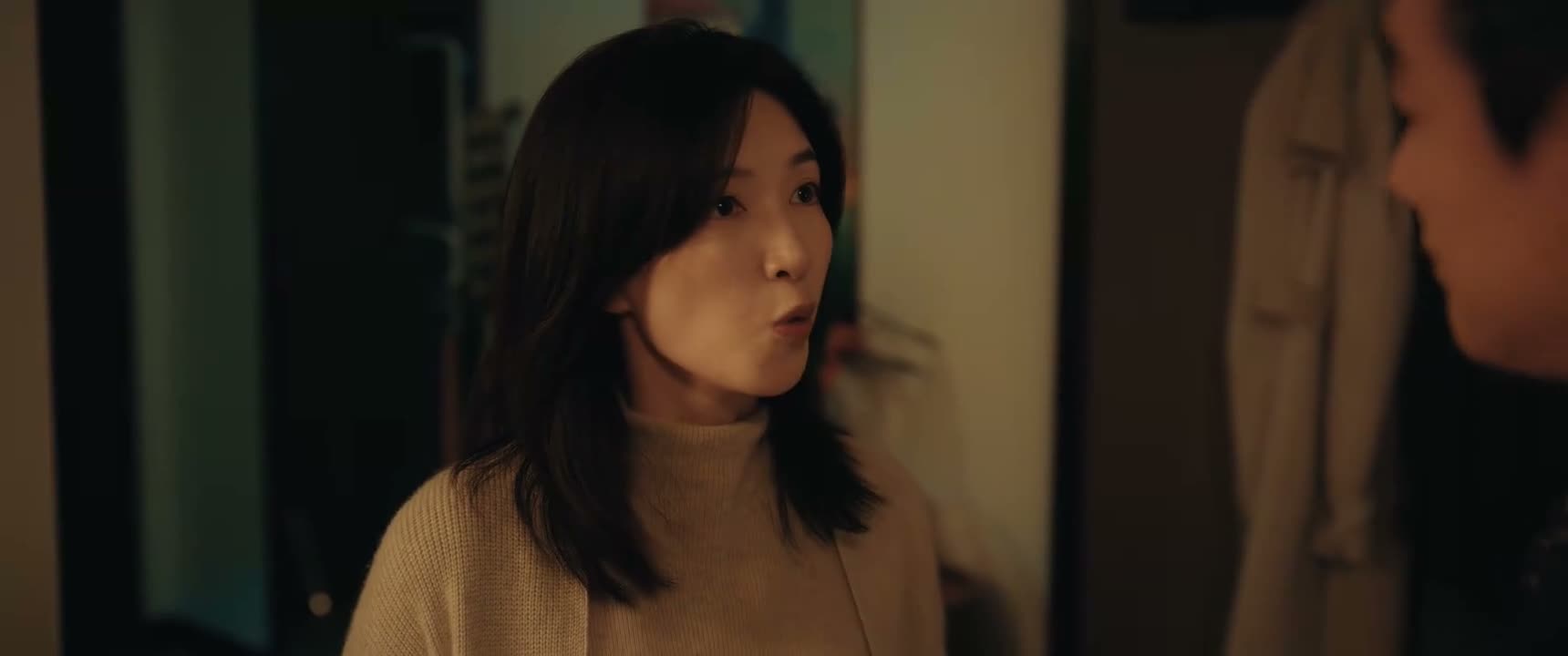
“When I'm strong, that's what really matters.”

“My power has grown far too much. I lost control.”