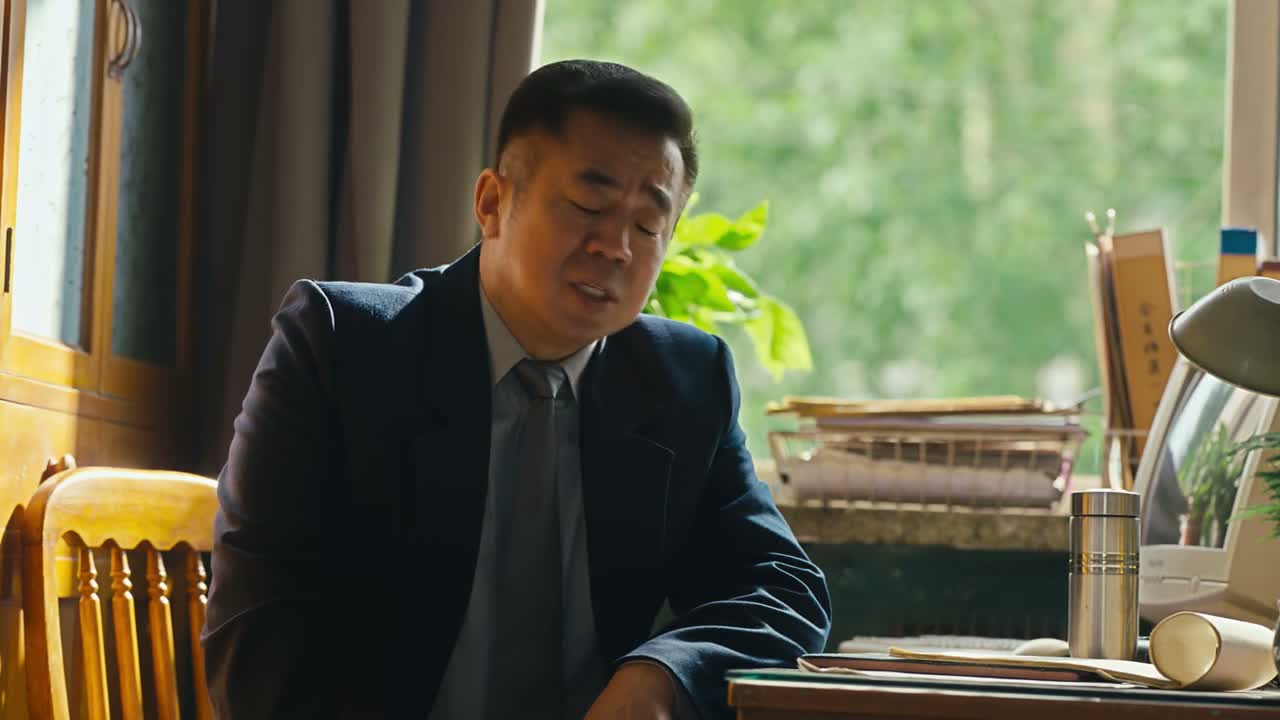
你看你说这话 我就不爱听了
“That's not a nice thing to say.”
THE DIALOGUE REEL
你一发展就进去了
“Grow your business and go to jail.”
你看你 说这话 我就 不爱听了
“That's not a nice thing to say.”
“Things are different from before. I'm a remade man.”
“That was a low blow bringing up my jail time; give me a break.”
When teased too harshly in Chinese social settings, saying 'I don't like hearing that' is a conventional way to signal that one's 'mianzi' (face) has been hurt, prompting the other person to back off.
LEARNING CHUNKS & PARTICLES
Do not like hearing (that); to find a remark unpleasant or offensive.
Very common in spoken Chinese to call out someone's rude or discouraging comment without escalating into full hostility.
Listen to yourself; look at what you are saying.
Used as a conversational opener to express mild reproach or disagreement with what the other person just said.
Indicates a change of state in the speaker's mood, signaling that the listener's words have just crossed a line.
VOCABULARY & EXPRESSIONS
Parallel Spoken Cinema Scenes (语义近邻切片)
“Ding, I don't like hearing you say that.”

“Hearing you say the word makes me unhappy.”

“I never liked hearing you talk like that. No matter how we solve it later,”