你愿不愿意跟我在一起
“"Are you willing to be with me?"”
THE DIALOGUE REEL
但我喜欢你
“"But I like you."”
你愿不愿意 跟 我在 一起
“"Are you willing to be with me?"”
她有答应你啊
“Did she agree?”
Direct spoken expression in this communicative setting.
In Chinese dating culture, defining the relationship through a formal confession ('表白') using the phrase '在一起' is an essential milestone.
LEARNING CHUNKS & PARTICLES
are you willing or not
An affirmative-negative question form used to formally ask for someone's consent or choice regarding an important decision.
be together (in a romantic relationship)
The standard Chinese euphemism for officially dating or becoming a romantic couple.
VOCABULARY & EXPRESSIONS
Parallel Spoken Cinema Scenes (语义近邻切片)

“would you still be willing to be with me?”

“Will you do it? Of course.”
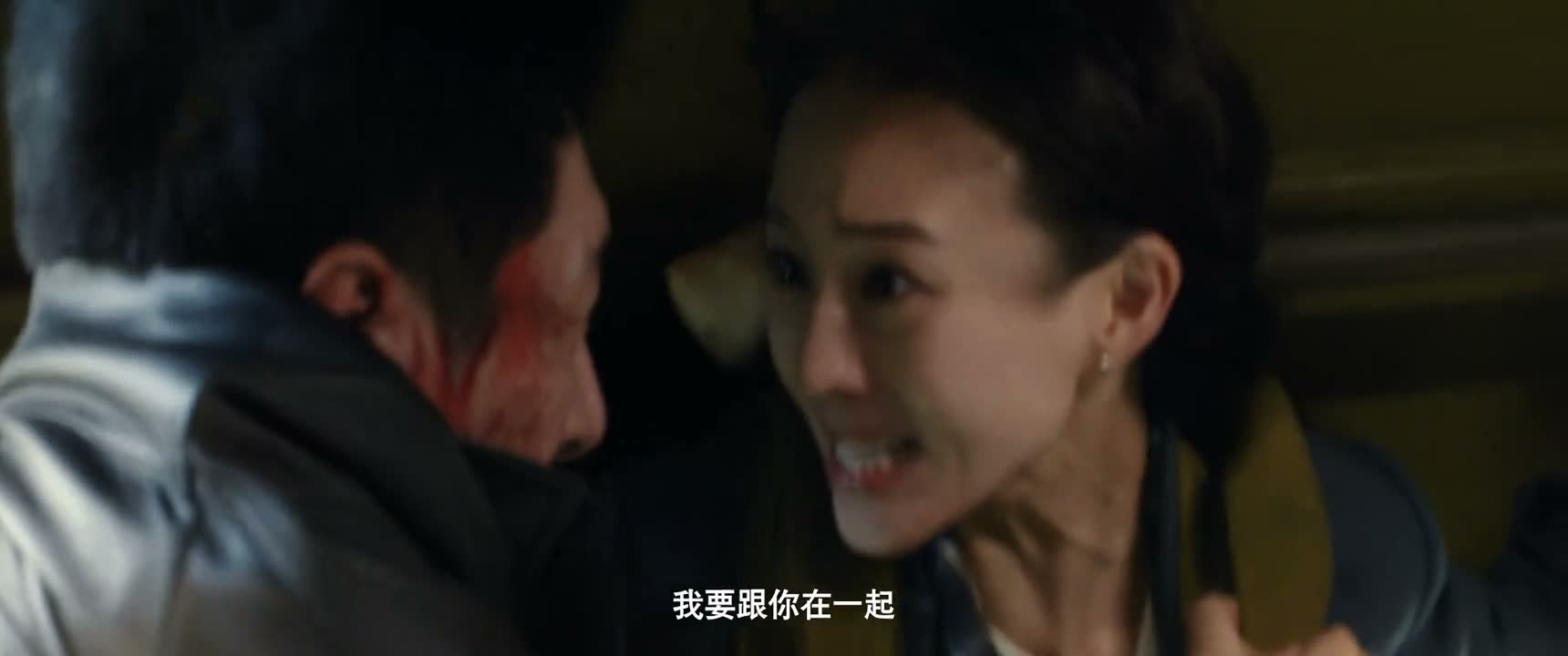
“I want to be with you!”

“I want to be with you”
“I hope I can stay with you all the time.”

“I mean, are you willing to stage a fake marriage with me?”