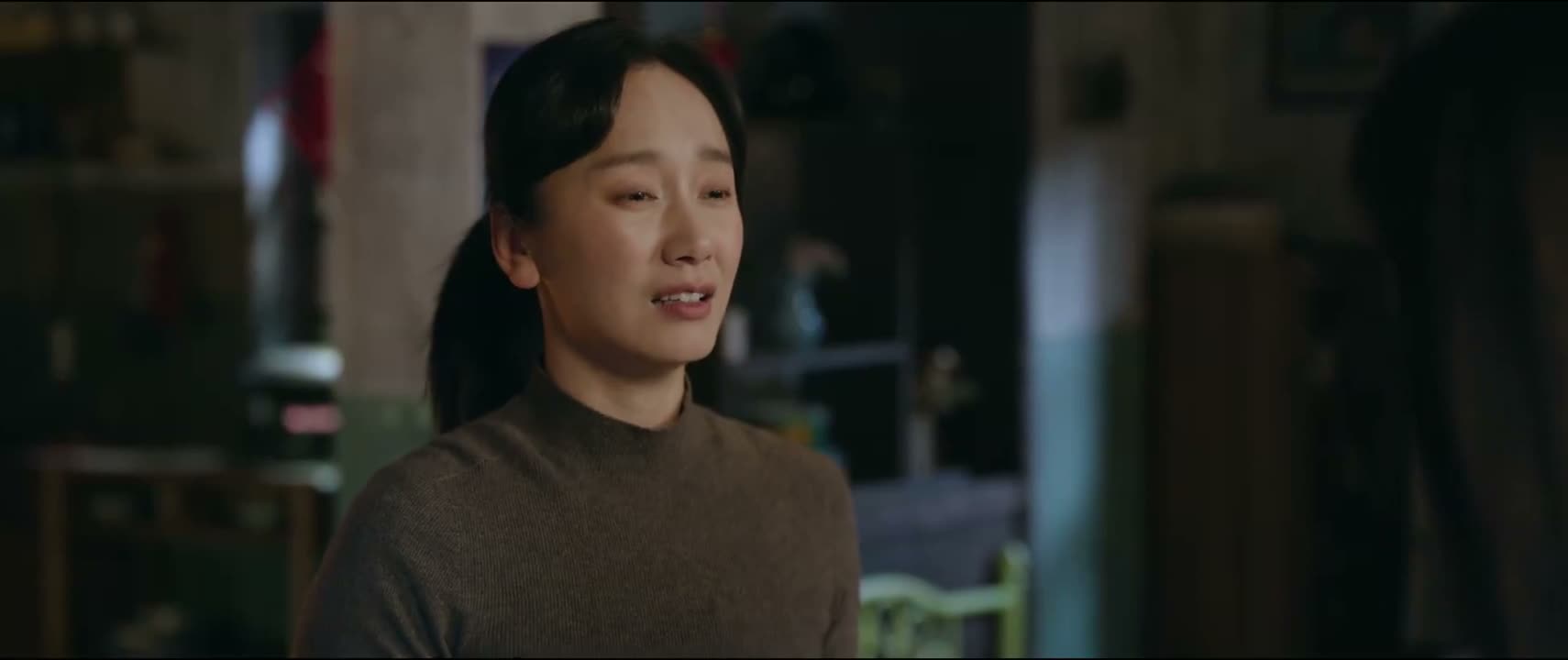
等等我 我不行了
“Wait for me. I can't keep up.”
THE DIALOGUE REEL
等等我 我不行了
“Wait for me. I can't keep up.”
这飞机怎么会落在这
“How did this plane get here?”
Direct spoken expression in this communicative setting.
Saying '我不行了' is universally accepted in informal spoken Chinese to signal genuine surrender to physical fatigue without loss of face.
LEARNING CHUNKS & PARTICLES
wait for me
An extremely common colloquial command when trailing behind someone.
I can't go on / I'm done for
A highly versatile phrase used when someone reaches their physical, mental, or emotional limit.
Indicates a newly reached threshold of exhaustion and change of state.
VOCABULARY & EXPRESSIONS
Parallel Spoken Cinema Scenes (语义近邻切片)

“I... I-I can't do it.”

“Wait until I'm truly stuck.”

“I can't do it, Boss. I don't know how to do it.”

“I can't do it, Boss. I don't know how to do it.”
“I can't do that.”

“I can't do it. I don't know anything. Look at them.”