MC
MandarinClips Cinema Corpus
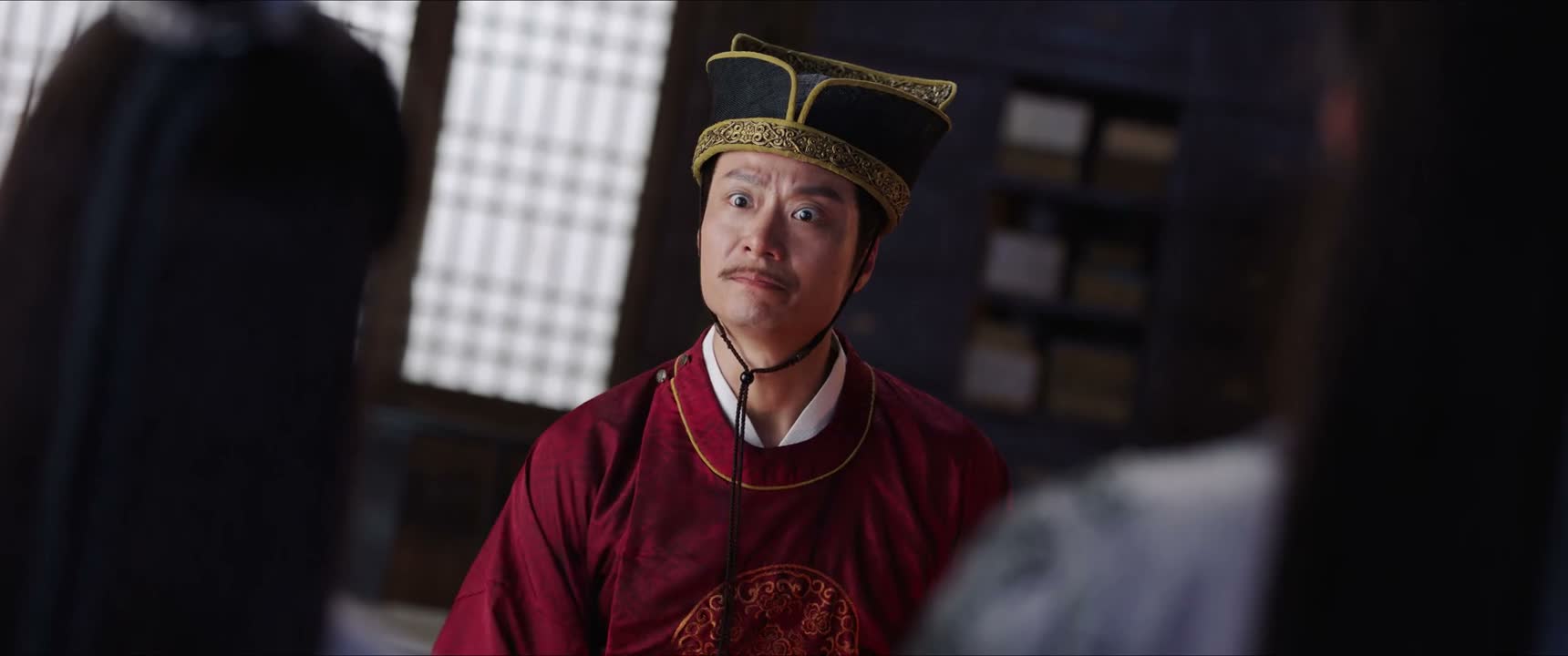
《Coroner's Diary》 S1·E16 (34:42) HSK 2
jiù duō xiè jiǔ xiān shēng shǒu xià liú qíng le

就多谢九先生手下留情了

“I suppose I should thank you for showing mercy, Master Wan.”

《Coroner's Diary》 S1·E16
TIMECODE: 34:42 · 1080P MASTER AUDIO

THE DIALOGUE REEL

1+1+1 SPOKEN CONTINUITY
[-1] PREVIOUS TURN wǒ de dāo zài wǎng qián duō sòng yī cùn nǐ jiù shòu shāng le nà

我的刀再往前多送一寸 你就受伤了 那

“If I had pushed the dagger one inch further, you'd be bleeding. Then...”

jiù duō xiè jiǔ xiān shēng shǒu xià liú qíng le CURRENT FOCUS

就 多谢 九先生 手下留情 了

“I suppose I should thank you for showing mercy, Master Wan.”

[+1] FOLLOW-UP TURN yǐ hòu bù xǔ zhè yàng le

以后不许这样了

“Don't do that again.”

Subtitles synced to millisecond timecode Browse Show Clips →
Scene: Crisis & Conflict
Function: EXPRESSING GRATITUDE WITH BANTER
Tone: TEASING
Emotion: AMUSEMENT
WHAT THEY REALLY MEAN (PRAGMATIC SUBTEXT)
“I knew you wouldn't actually hurt me, so thanks for holding back.”
💡 Cultural Insight: Martial Arts (Wuxia) Idioms in Daily Speech

Phrases about sparing someone's life in combat are frequently used playfully in modern Chinese when asking competitors or superiors to go easy on them.

INTENT TAGS: #thanking #teasing #defusing_tension #acknowledging_mercy
🧩

LEARNING CHUNKS & PARTICLES

2 CHUNKS · 1 PARTICLES
多谢 SPOKEN CHUNK

many thanks; thank you very much

More formal or classic than standard 'thank you', often used in polite requests, period dramas, or Cantonese-influenced Mandarin.

手下留情 SPOKEN CHUNK

to show mercy; to go easy on someone

Originally from martial arts (sparing an opponent), now commonly used in games, sports, or grading to ask someone not to be too harsh.

Modal Particle「了」 (le) CHANGE OF STATE

Wraps up the expression of gratitude with a sense of casual finality.
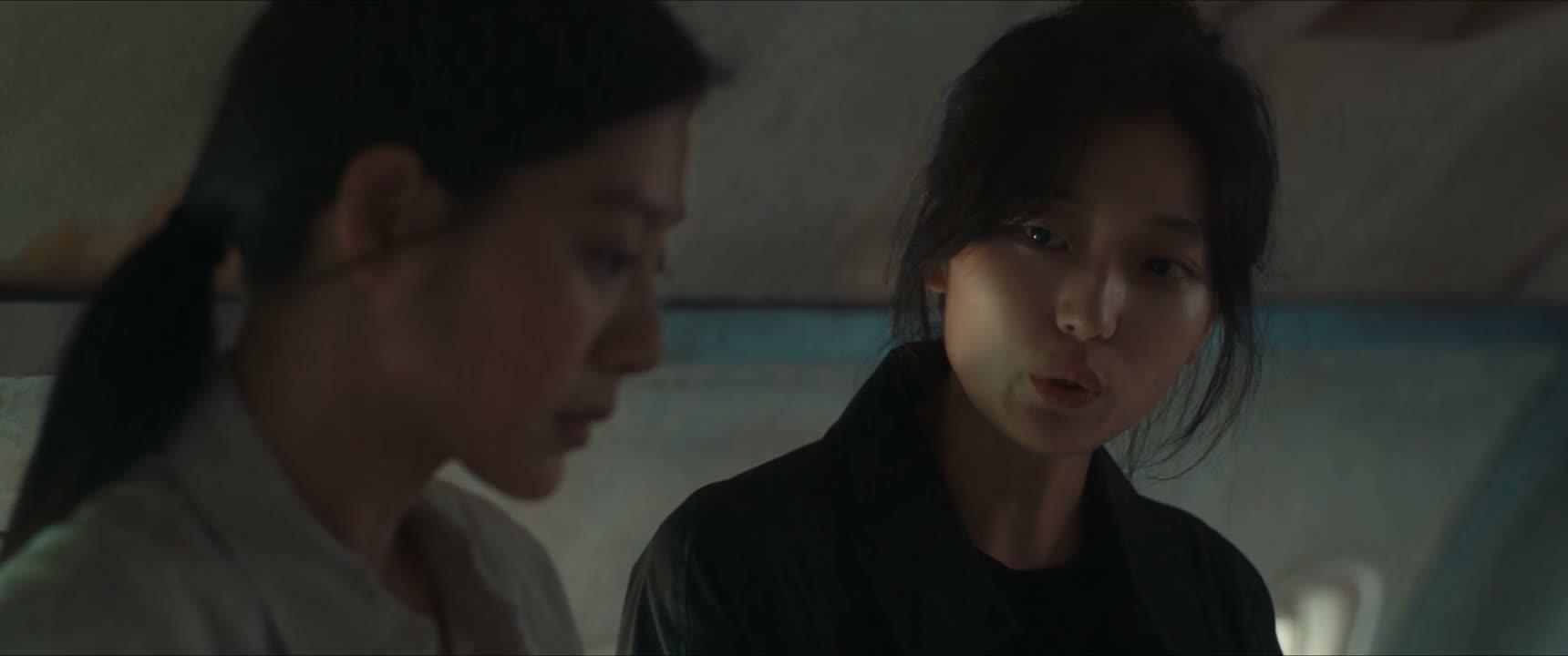
🏮

VOCABULARY & EXPRESSIONS

2 EXPR · 0 GRAMMAR
CROSS-CINEMA CORPUS BOARD · PARALLEL SCENES

Parallel Spoken Cinema Scenes (语义近邻切片)

EXPLORE BY SEMANTIC SIMILARITY
《Coroner's Diary》 S1·E16 (34:42) · Authentic Cinema Dialogue Corpus