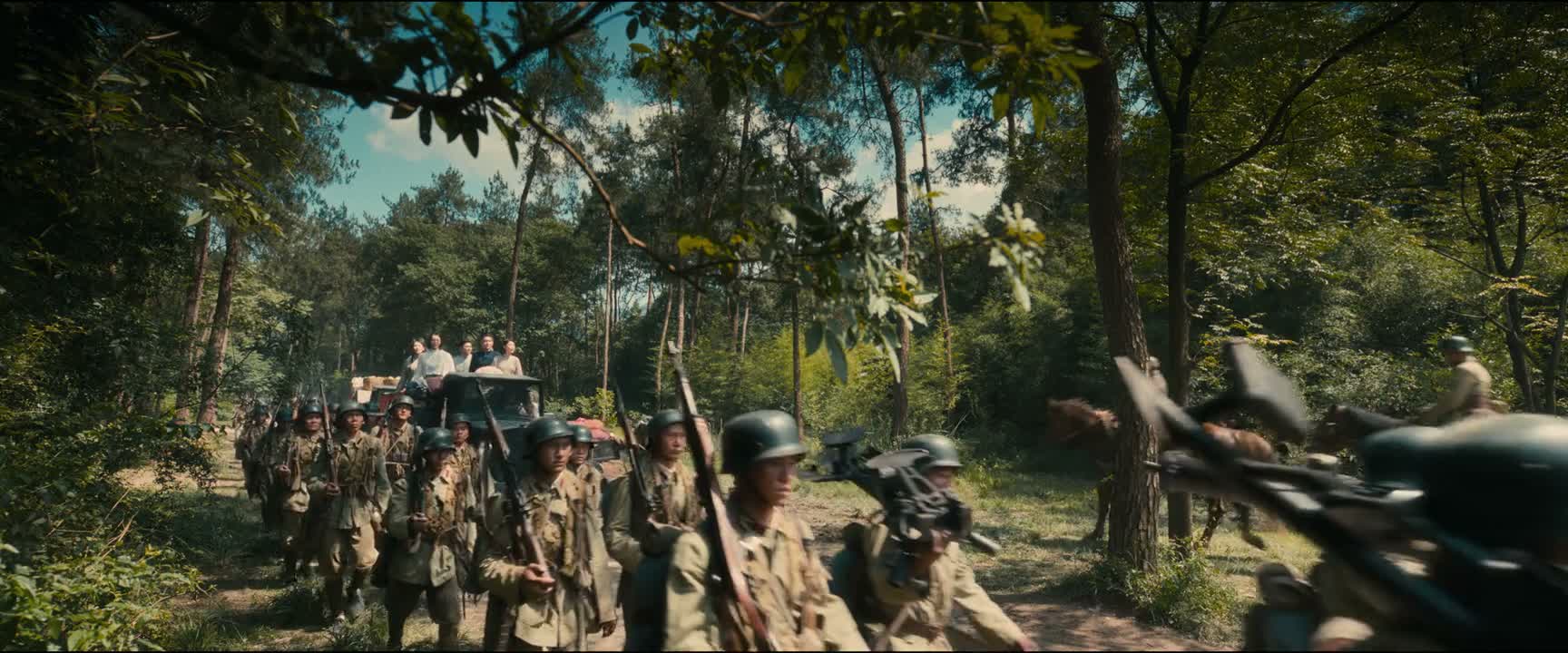
《Echoes of a Thousand Moons》 S1·E19 (11:37)
HSK 3
qí shí nǐ zì jǐ jiù rèn shí wǒ shàng nǎ ér rèn shí hàn jiān qù
其实你自己就认识 我上哪儿认识汉奸去
“you actually know one. Where would I know a traitor from?”
《Echoes of a Thousand Moons》
S1·E19
TIMECODE: 11:37
·
1080P MASTER AUDIO
THE DIALOGUE REEL
[-1] PREVIOUS TURN
wàn fú gē
万福哥
“Wanfu,”
qí shí nǐ zì jǐ jiù rèn shí wǒ shàng nǎ ér rèn shí hàn jiān qù
CURRENT FOCUS
其实 你自己 就认识 我 上哪儿 认识汉奸去
“you actually know one. Where would I know a traitor from?”
[+1] FOLLOW-UP TURN
nǐ jì bú jì dé
你记不记得
“Do you remember”
Subtitles synced to millisecond timecode
Browse Show Clips →
Scene:
Crisis & Conflict
Function:
DEFLECTING RESPONSIBILITY
Tone:
DEFENSIVE
Emotion:
DEFENSIVENESS
WHAT THEY REALLY MEAN (PRAGMATIC SUBTEXT)
“Don't look at me for shady connections; you already know the exact person you need.”
💡 Cultural Insight: Historical Stigma of Collaborators
Being associated with a 'hanjian' (traitor) carries extreme moral and social stigma in Chinese culture, prompting immediate and emphatic denial in conversation.
INTENT TAGS:
#self_defense
#deflection
#rhetorical_denial
#prompting
🧩
2 CHUNKS · 0 PARTICLES
LEARNING CHUNKS & PARTICLES
上哪儿...去
SPOKEN CHUNK
where on earth would (someone) go to (do something)
Used as a rhetorical question to emphasize that doing something is impossible or absurd.
汉奸
SPOKEN CHUNK
traitor to China / collaborator
A heavily loaded historical and political term used specifically for Chinese people who collaborated with foreign invaders, especially during WWII.
🏮
4 EXPR · 0 GRAMMAR
VOCABULARY & EXPRESSIONS
COLLOQUIAL EXPRESSIONS:
CROSS-CINEMA CORPUS BOARD · PARALLEL SCENES
EXPLORE BY SEMANTIC SIMILARITY
Parallel Spoken Cinema Scenes (语义近邻切片)
《Echoes of a Thousand Moons》 S1·E19 (11:37) · Authentic Cinema Dialogue Corpus