谁说汉奸就不能吃包子的 哪儿来的这理啊
“Who says traitors can't eat Baozi? What kind of logic is that?”
THE DIALOGUE REEL
赵先生这么爱吃 我做的包子 他不能是汉奸吧
“Mr. Zhao loves my Baozi so much. He can't be a traitor, right?”
谁说 汉奸 就不能 吃包子的 哪儿来的 这理啊
“Who says traitors can't eat Baozi? What kind of logic is that?”
赵先生明路上 不是汉奸 但是 他姐夫
“Mr. Zhao is not a traitor on the surface. But his brother-in-law”
“Don't be so naive—being polite and liking your food doesn't mean he isn't dangerous.”
During wartime, collaborators were heavily despised, and ordinary civilians often struggled to reconcile everyday polite behavior with the monstrous label of being a national traitor.
LEARNING CHUNKS & PARTICLES
where is the logic in that; that makes no sense
Used in spoken Mandarin to dismiss someone's absurd reasoning or flawed assumption.
Adds exasperation and rhetorical force to the rhetorical question.
VOCABULARY & EXPRESSIONS
Parallel Spoken Cinema Scenes (语义近邻切片)
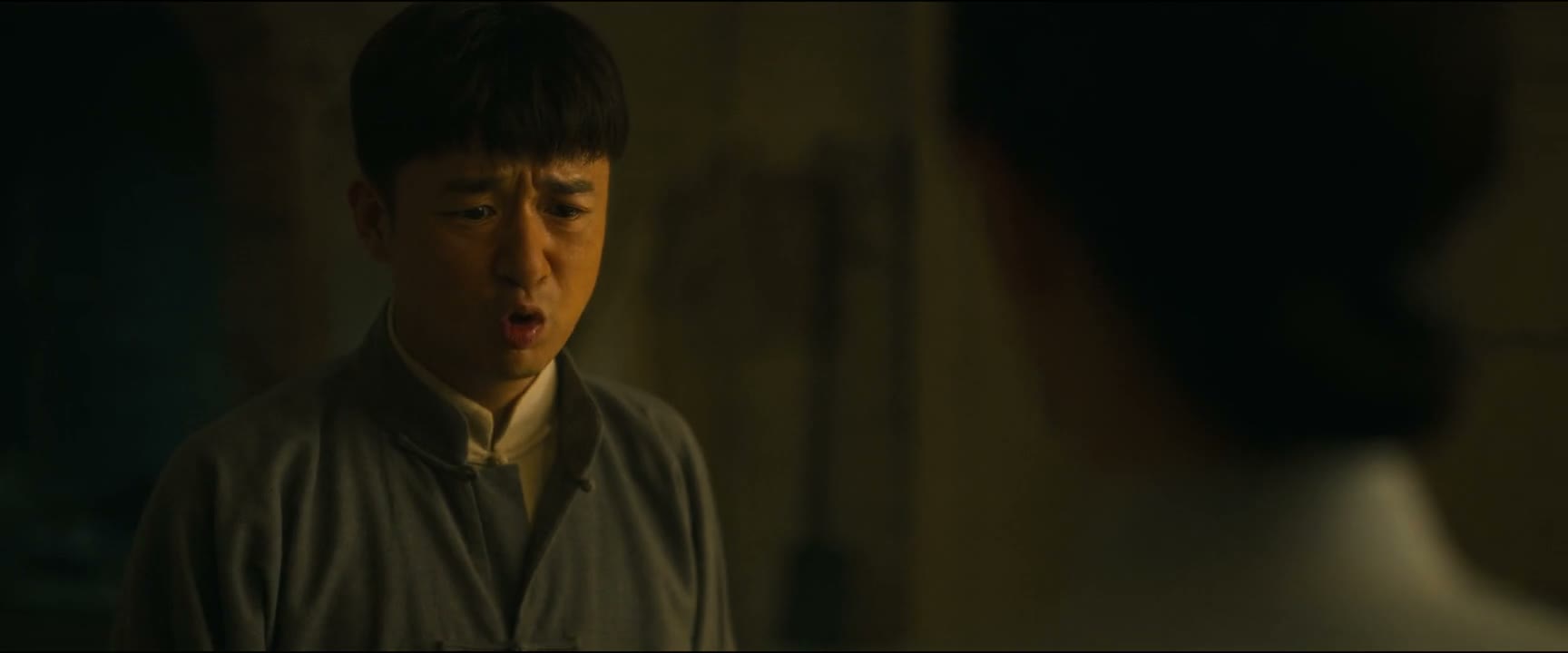
“I don't even want to cook a meal for this traitor.”
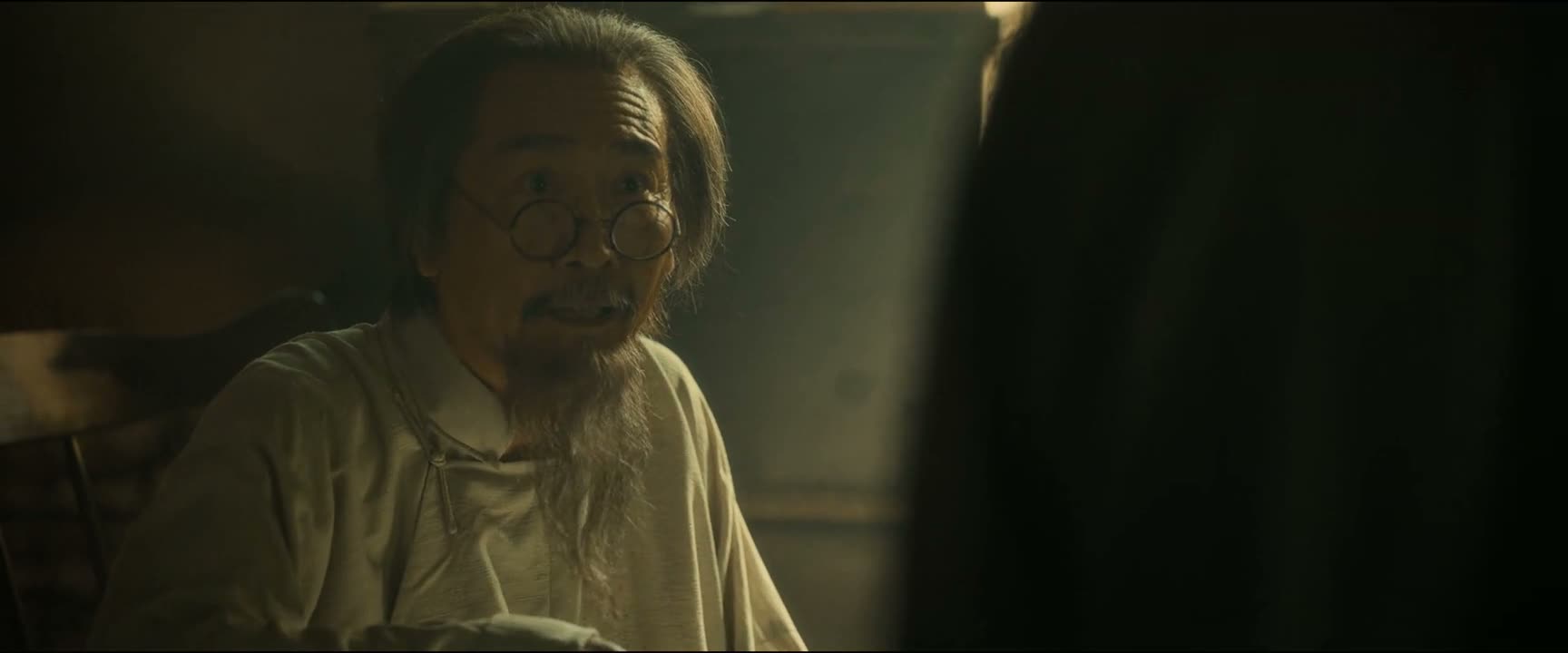
“Such traitors deserve to die.”

“You have no idea what the word "traitor"”

“Have a steamed bun. Have a steamed bun.”
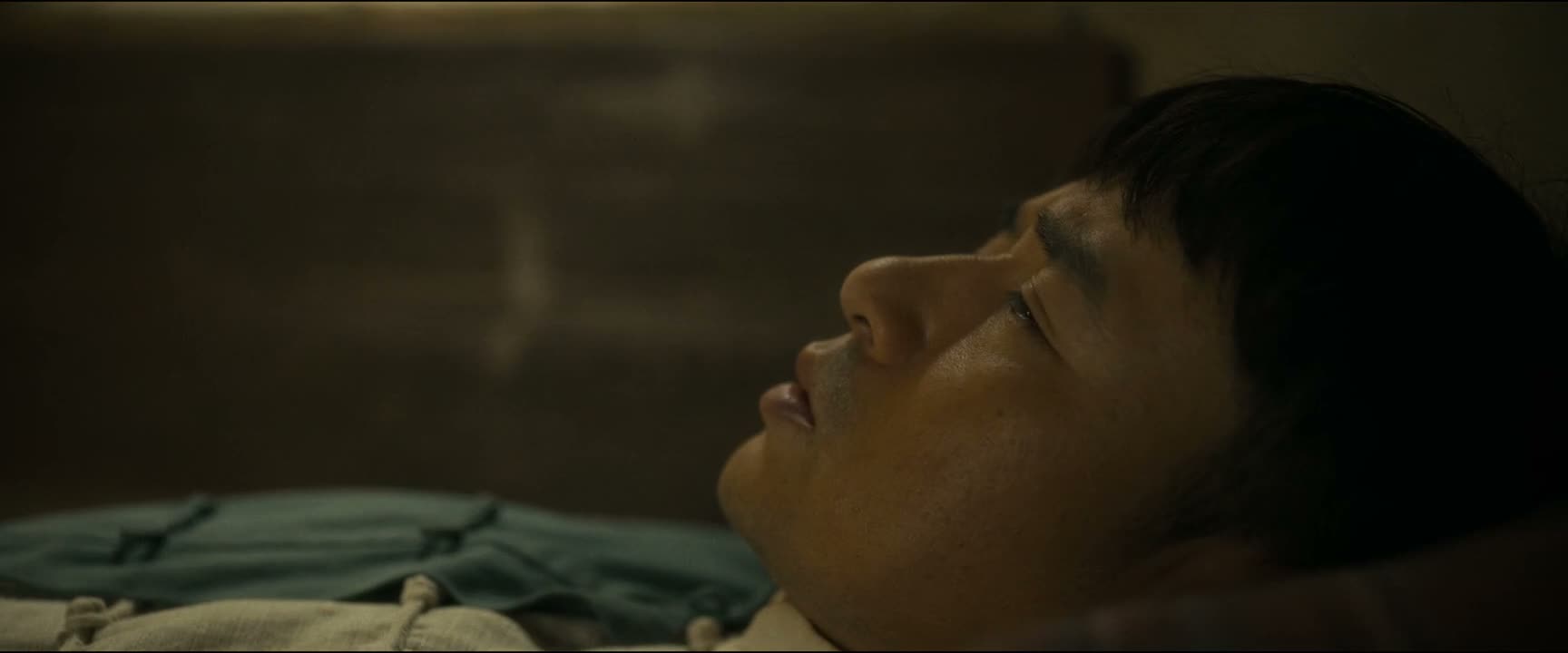
“what is a traitor?”

“It's your Baozi. How can I use it?”