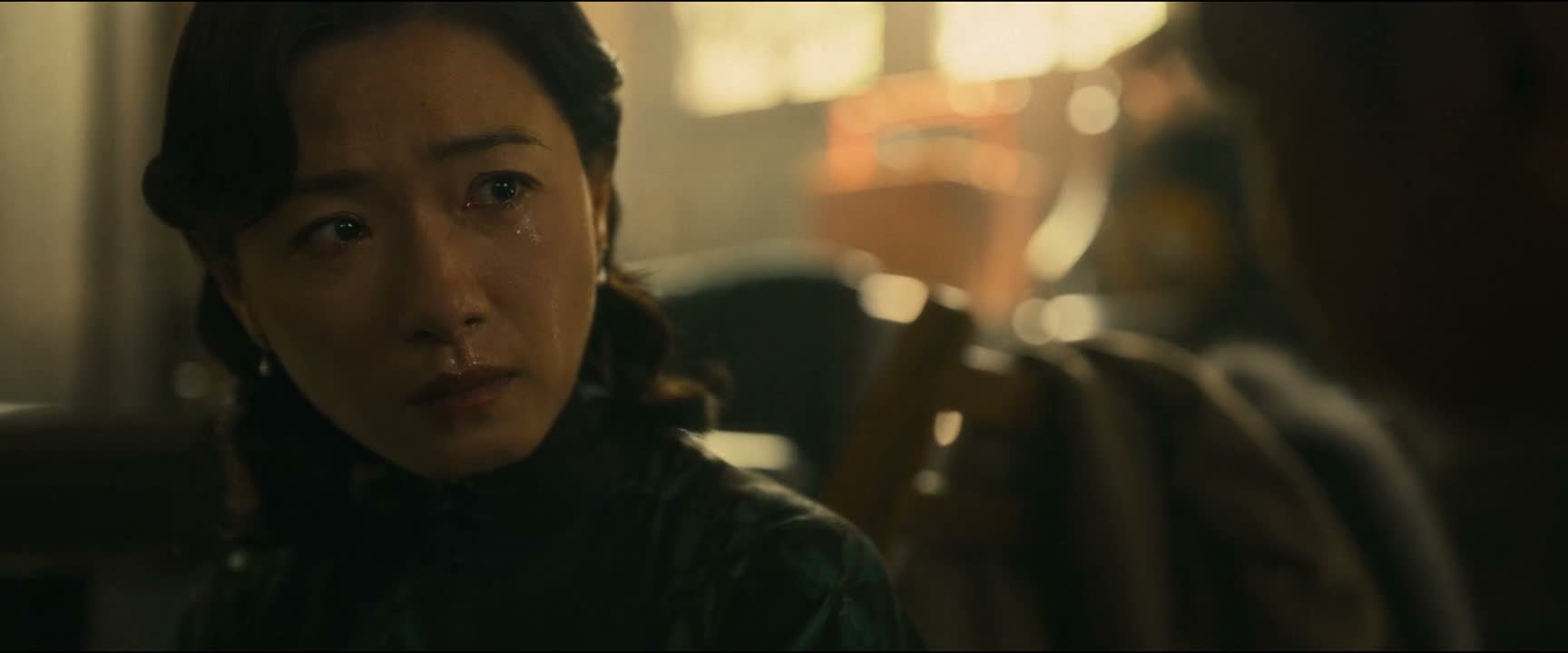
早已给自己留了后路
“left himself a way out long ago.”
THE DIALOGUE REEL
看来田本昌
“It seems that Tian Benchang”
早已给 自己 留了后路
“left himself a way out long ago.”
有了这路引 他便可以更名换姓 重新开始
“With this travel permit, he can change his name and start anew.”
Direct spoken expression in this communicative setting.
Chinese strategic philosophy places high value on foresight and ensuring retreat options (狡兔三窟) to avoid total ruin under political or legal pressure.
LEARNING CHUNKS & PARTICLES
to leave a way out; to prepare a contingency or escape route
A common idiom used when someone plans a backup plan to avoid future disaster or dead ends.
long ago; already for a long time
Placed before verbs to emphasize that an action or realization happened way ahead of the present moment.
Functions as an aspect marker indicating the completion of setting aside an escape route.
VOCABULARY & EXPRESSIONS
Parallel Spoken Cinema Scenes (语义近邻切片)

“He must have had a backup plan.”

“I've already budgeted extra.”

“As expected, they had another plan in reserve.”

“So we must keep an escape route open.”

“Have we ever given ourselves an escape route?”

“The very fact he said it proves he has a contingency plan in place.”

“It appears to give you a way out,”