黄越 你干吗 吓死人了 对不起 干啥呀
“Huang Yue. You scared me. - Sorry. - What's the rush?”
THE DIALOGUE REEL
师父
“Ma'am.”
黄 越 你干吗 吓死人了 对不起 干啥呀
“Huang Yue. You scared me. - Sorry. - What's the rush?”
毛毛躁躁的
“- Sorry. - What's the rush?”
Direct spoken expression in this communicative setting.
In Chinese workplaces and traditional trades, a 'Shifu' holds parental-like authority over an apprentice, allowing them to speak bluntly and scold the junior freely without formalities.
LEARNING CHUNKS & PARTICLES
scared someone to death; terrifying
Used as a common hyperbole in casual speech when someone suddenly startles you.
what are you doing; what do you want
A colloquial northern Chinese equivalent of asking what someone is up to, often carrying a slightly impatient or casual tone.
Intensifies the degree of the adjective or verb phrase, emphasizing the extreme state of being startled.
Softens the directness of the question while conveying mild impatience or familiarity.
VOCABULARY & EXPRESSIONS
Parallel Spoken Cinema Scenes (语义近邻切片)
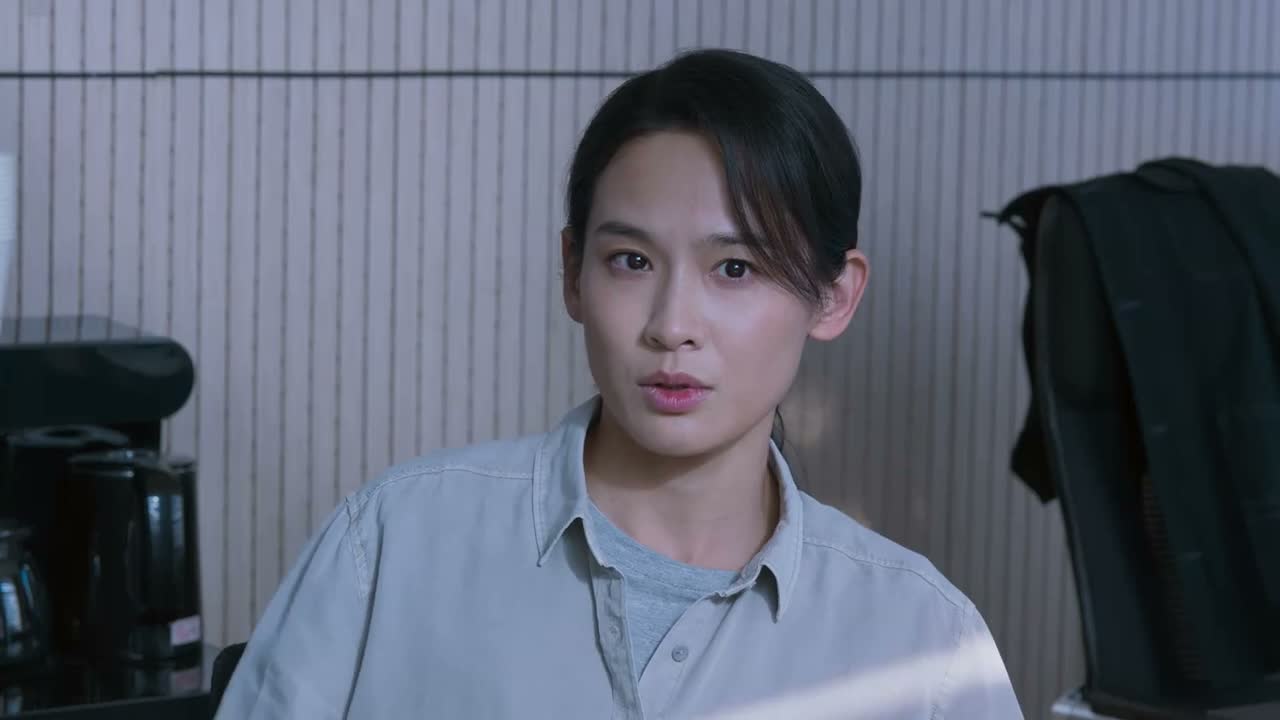
“Huang Yue, stop writing. What's up?”

“Yue. What are you doing? Yue.”
“the dirtier it gets.”

“Dong Yue, you're really no fun.”
“The more you talked, the more suspicious he seemed.”
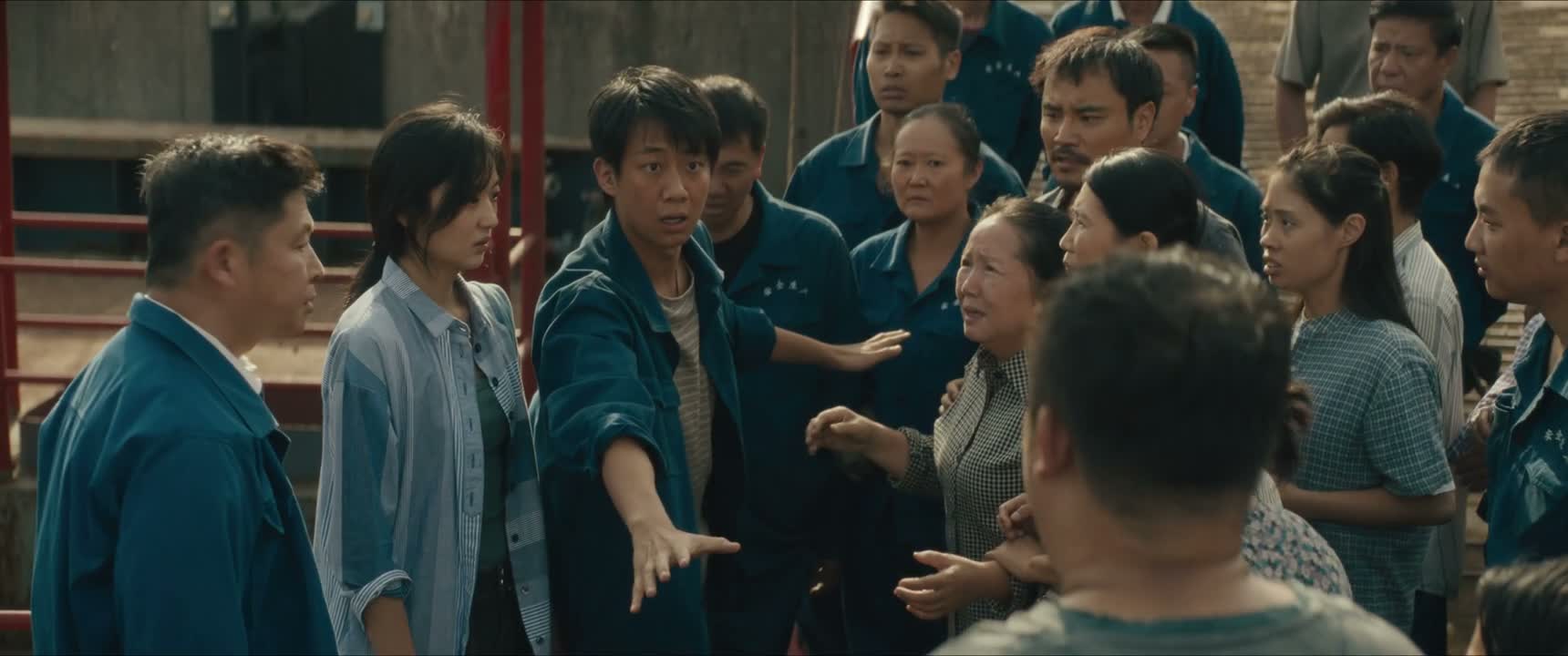
“Lin Hua, stop making trouble here.”