MC
MandarinClips Cinema Corpus
《Go Ahead》 S1·E10 (21:35) HSK 5
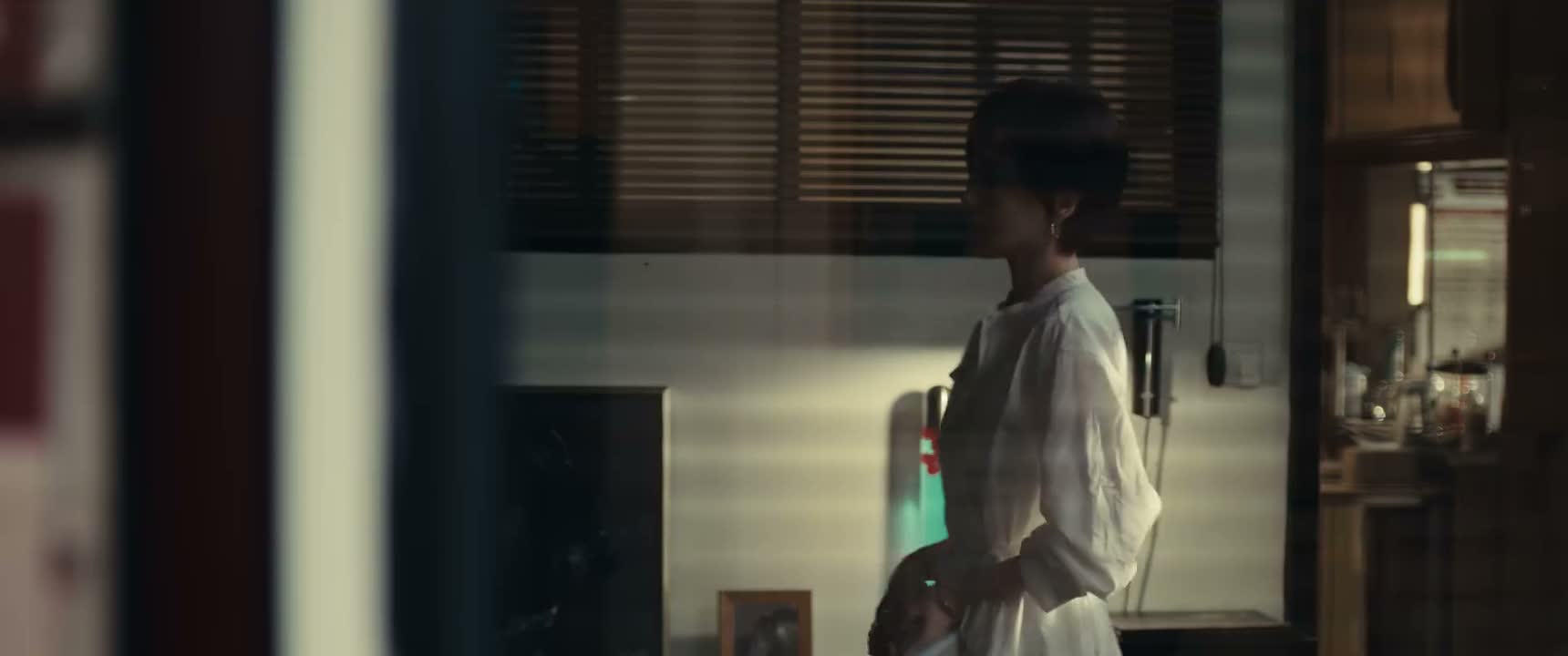
dà nàn lín tóu wǒ men gè zì fēi nǐ huí nǐ jiā zhǎo nǐ qīn mā

大难临头我们各自飞 你回你家找你亲妈

“we both are going to leave. You'll go back to your home to live with your own mom,”

《Go Ahead》 S1·E10
TIMECODE: 21:35 · 1080P MASTER AUDIO

THE DIALOGUE REEL

1+1+1 SPOKEN CONTINUITY
[-1] PREVIOUS TURN yì si jiù shì

意思就是

“I mean”

dà nàn lín tóu wǒ men gè zì fēi nǐ huí nǐ jiā zhǎo nǐ qīn mā CURRENT FOCUS

大难临头我们各自飞 你回你家 找你 亲妈

“we both are going to leave. You'll go back to your home to live with your own mom,”

[+1] FOLLOW-UP TURN wǒ huí wǒ jiā zhǎo wǒ qīn bà wǒ men yí gè sài yí gè hùn dàn

“and I'll go back to my home to live with my own dad. We both are bastards.”

Subtitles synced to millisecond timecode Browse Show Clips →
Scene: Family & Home
Function: CYNICAL RESIGNATION
Tone: SARCASTIC AND HEARTBROKEN
Emotion: HURT
WHAT THEY REALLY MEAN (PRAGMATIC SUBTEXT)
“You are abandoning us to take the easy way out, and it breaks my heart that you would turn your back on our bond.”
💡 Cultural Insight: Blood Lineage vs. Nurturing Bonds

In Chinese culture, tensions between biological parents (shengbang) and raising parents (yangbang) often cause severe identity crises and guilt when adult children are pulled between the two.

INTENT TAGS: #sarcasm #venting #feeling_betrayed #bitterness
🧩

LEARNING CHUNKS & PARTICLES

2 CHUNKS · 0 PARTICLES
大难临头各自飞 SPOKEN CHUNK

everyone fends for themselves when disaster strikes

Derived from the proverb '夫妻本是同林鸟,大难临头各自飞', used critically or cynically to describe people abandoning solidarity in hard times.

亲妈 SPOKEN CHUNK

biological mother

Frequently contrasted with foster, adoptive, or stepmothers to highlight blood relations.
🏮

VOCABULARY & EXPRESSIONS

1 EXPR · 0 GRAMMAR
COLLOQUIAL EXPRESSIONS:
CROSS-CINEMA CORPUS BOARD · PARALLEL SCENES

Parallel Spoken Cinema Scenes (语义近邻切片)

EXPLORE BY SEMANTIC SIMILARITY
《Go Ahead》 S1·E10 (21:35) · Authentic Cinema Dialogue Corpus