我回我家找我亲爸 我们一个赛一个混蛋
“and I'll go back to my home to live with my own dad. We both are bastards.”
THE DIALOGUE REEL
“we both are going to leave. You'll go back to your home to live with your own mom,”
我回 我家 找我 亲爸 我们 一个赛一个 混蛋
“and I'll go back to my home to live with my own dad. We both are bastards.”
“None of our parents care about us, and we are just as broken and selfish as they are.”
In high-stress family conflicts, speakers often resort to severe self-vilification as a defense mechanism to express profound emotional abandonment and lack of belonging.
LEARNING CHUNKS & PARTICLES
each one outdoing the other (competing to be worse/better)
Used in colloquial speech to emphasize how multiple people share an extreme trait, often with negative connotations.
biological father
Used informally to distinguish a biological parent from an adoptive or step-parent.
VOCABULARY & EXPRESSIONS
Parallel Spoken Cinema Scenes (语义近邻切片)

“you and my dad can remarry.”

“Haven't you told your dad that your real dad came to see you?”
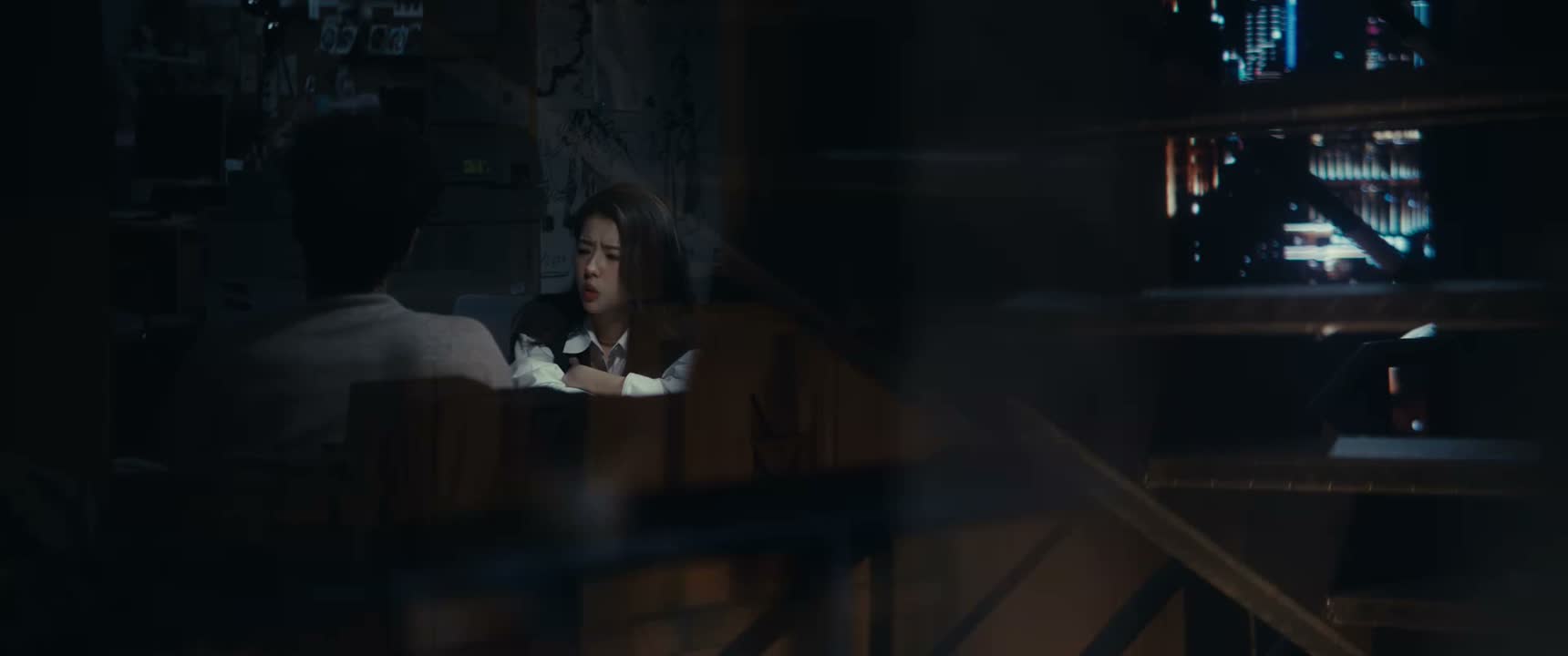
“I'll talk with my dad. Don't tell him it was my idea.”
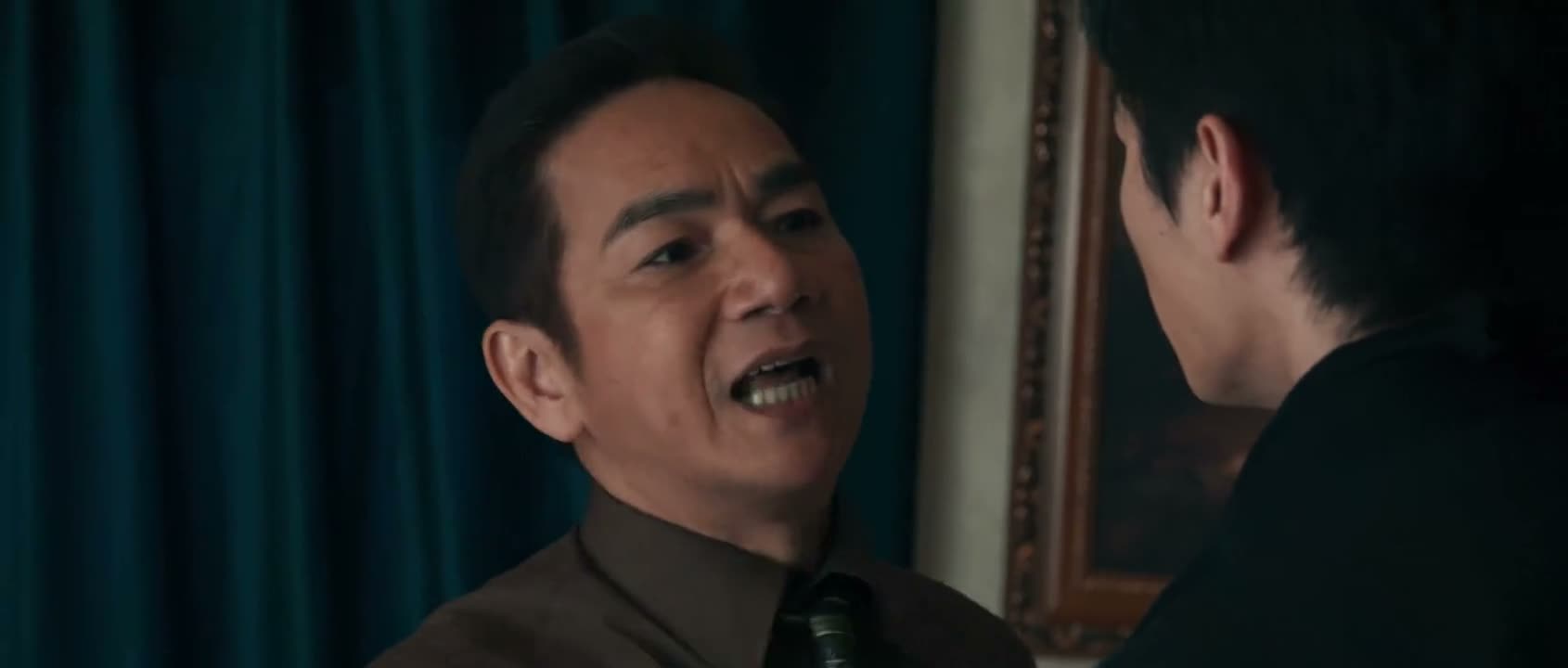
“I'd have gone to your old man for a showdown.”

“He's going after his real dad. His real dad?”

“Explain to your dad when he comes home!”