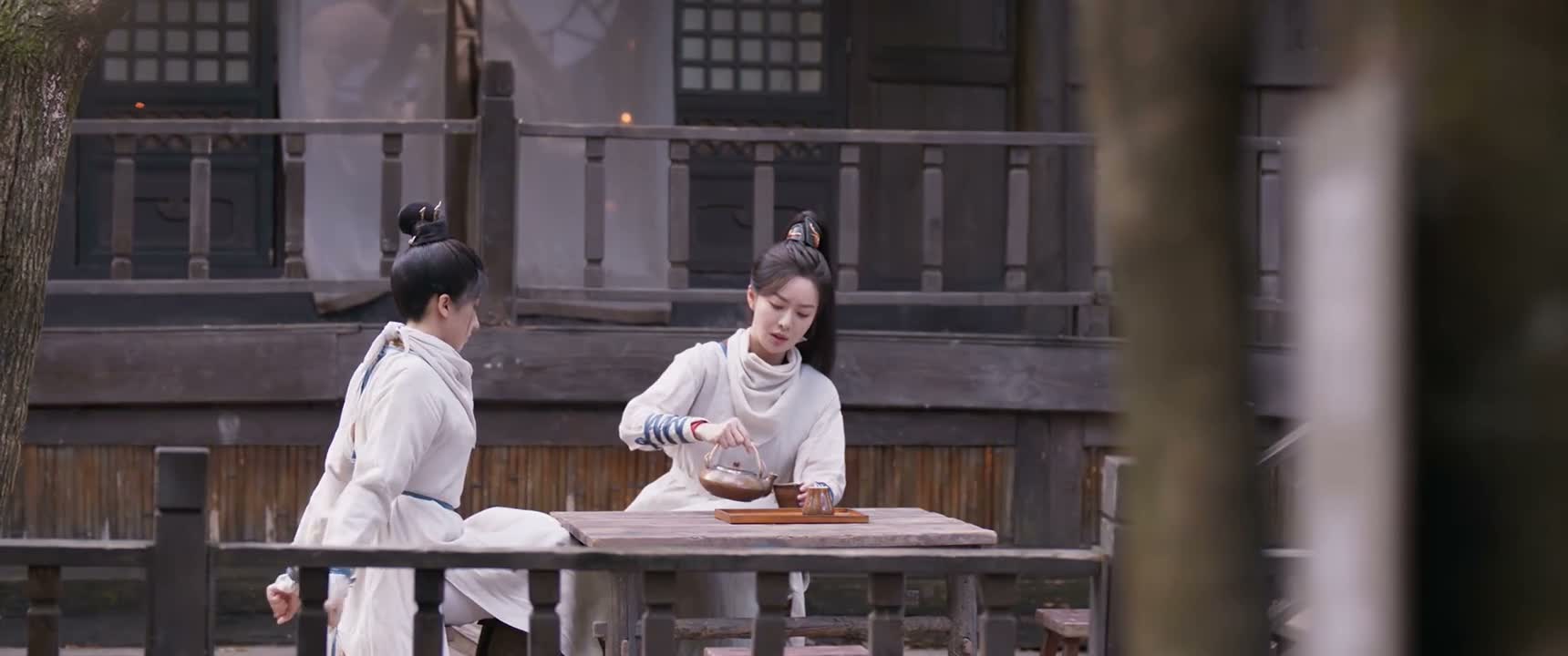
都两三天没合眼了 非得自己守着
“so he's barely slept for the past few days. He insisted on keeping watch himself.”
THE DIALOGUE REEL
怕有人再来使坏
“and was worried someone might come sabotage things again,”
都两三天 没合眼 了 非得 自己 守着
“so he's barely slept for the past few days. He insisted on keeping watch himself.”
“I've got some invitation cards here and wanted to trouble him to deliver them to the ink workshop.”
“He is way too stubborn for his own good, and I feel bad seeing him exhaust himself like this.”
Chinese speakers often express care and admiration indirectly by complaining about a loved one's or colleague's stubbornness and self-neglect.
LEARNING CHUNKS & PARTICLES
to close one's eyes; to get some sleep
Almost always used in the negative ('没合眼') to emphasize severe sleep deprivation.
to insist on; must stubbornly do something
Used to describe someone's obstinate insistence on doing something despite advice or difficulty.
to guard; to keep watch over
Combines the verb '守' (guard) with the continuous aspect marker '着' to show staying in one place to protect someone or something.
Emphasizes the completed duration of time (two or three days) to highlight how extreme the situation has become.