我才觉得 我是真的回家了
“do I truly feel like I've come home.”
THE DIALOGUE REEL
“Only when I'm working in the kitchen and making dishes”
我才觉得 我是 真的回家了
“do I truly feel like I've come home.”
“No, you have to listen to me today. Come on.”
“Please let me cook; being treated like an outsider makes me feel distant, and doing chores makes me feel like part of the family again.”
In Chinese homes, guests are strictly kept out of the kitchen as a sign of respect, whereas true family members ('zijiren') pitch in with chores. Insisting on cooking is a common way to reject guest status and reclaim intimacy.
LEARNING CHUNKS & PARTICLES
only then do (I) feel
Used to indicate that a certain feeling or realization only happens after a specific condition is met.
truly returned home
Used both literally and emotionally to express feeling a genuine sense of comfort and belonging after being away.
Marks the realization of a new state or completed transition—specifically, the state of finally being home.
VOCABULARY & EXPRESSIONS
Parallel Spoken Cinema Scenes (语义近邻切片)

“they'll feel right at home—”

“it feels like home. I'm totally at ease.”
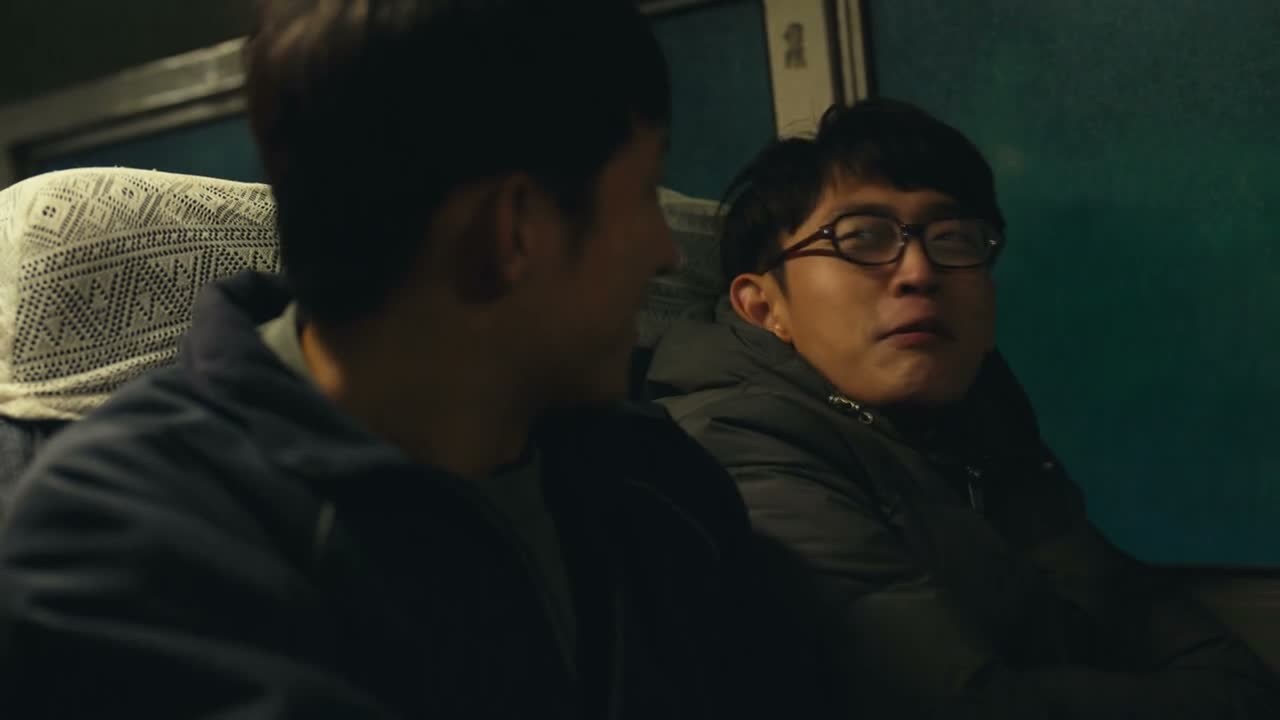
“Seeing you guys makes me feel like I'm home.”

“made him feel at home.”