祯娘愿意手把手地亲自教导他
“I'd be willing to teach him personally.”
THE DIALOGUE REEL
不若将他放在墨坊里
“how about letting him enter the ink workshop?”
祯娘 愿意 手把手 地 亲自教 导他
“I'd be willing to teach him personally.”
正佑是您教导出来的好孩子 为人善良 心思细腻
“Zhengyou is a fine child raised under your guidance. He's kind-hearted, thoughtful,”
“You can trust me completely; I will take full personal responsibility for his training.”
In historical and traditional Chinese contexts, speakers often refer to themselves by their given name instead of 'I' when speaking to elders or superiors to show humility and respect.
Traditional Chinese crafts rely heavily on direct, personal transmission of skills ('hand-in-hand teaching'), which represents a deep moral and professional commitment.
LEARNING CHUNKS & PARTICLES
hand in hand; personally and step-by-step
Used to describe teaching or guiding someone very closely and patiently, often used with verbs like教 (teach) or 教导 (instruct).
to instruct or mentor in person
Used in formal or respectful contexts when someone of higher skill or status takes time to teach someone directly rather than delegating.
VOCABULARY & EXPRESSIONS
Parallel Spoken Cinema Scenes (语义近邻切片)
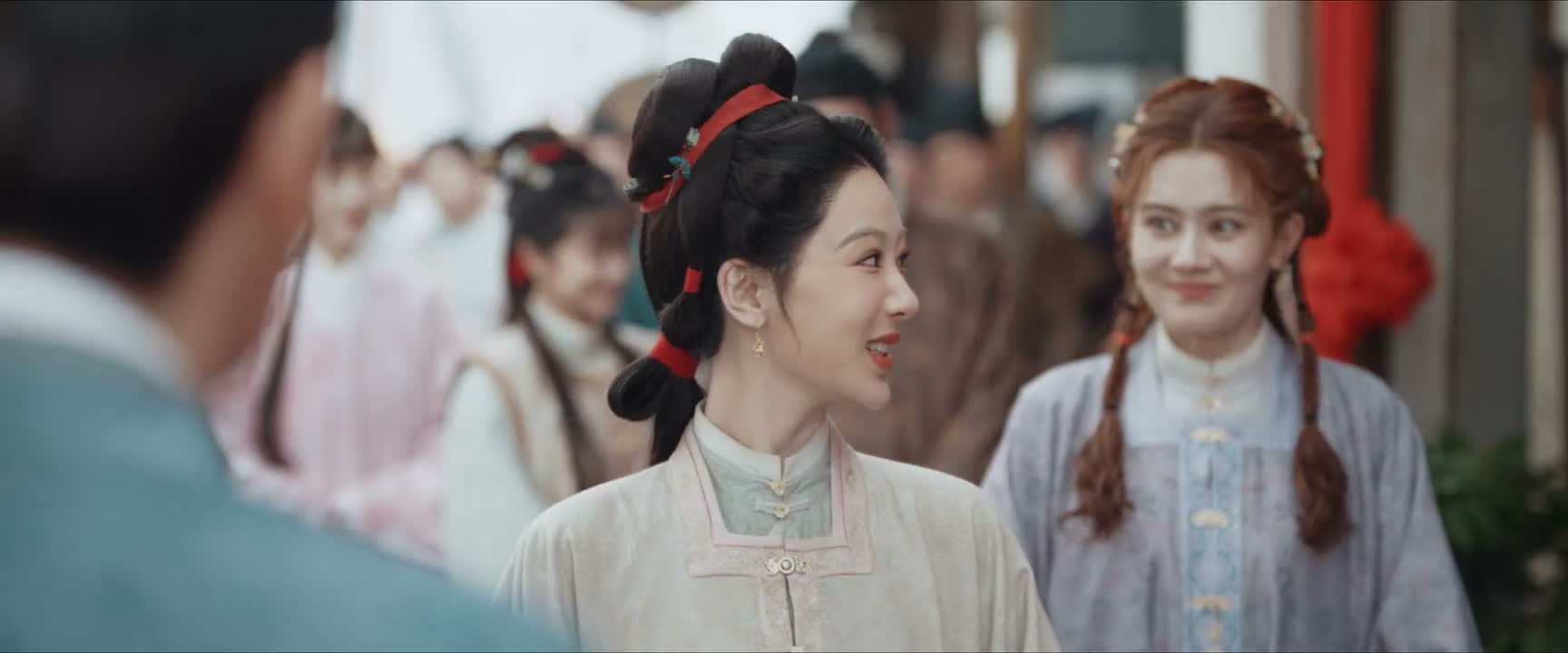
“Certainly!”
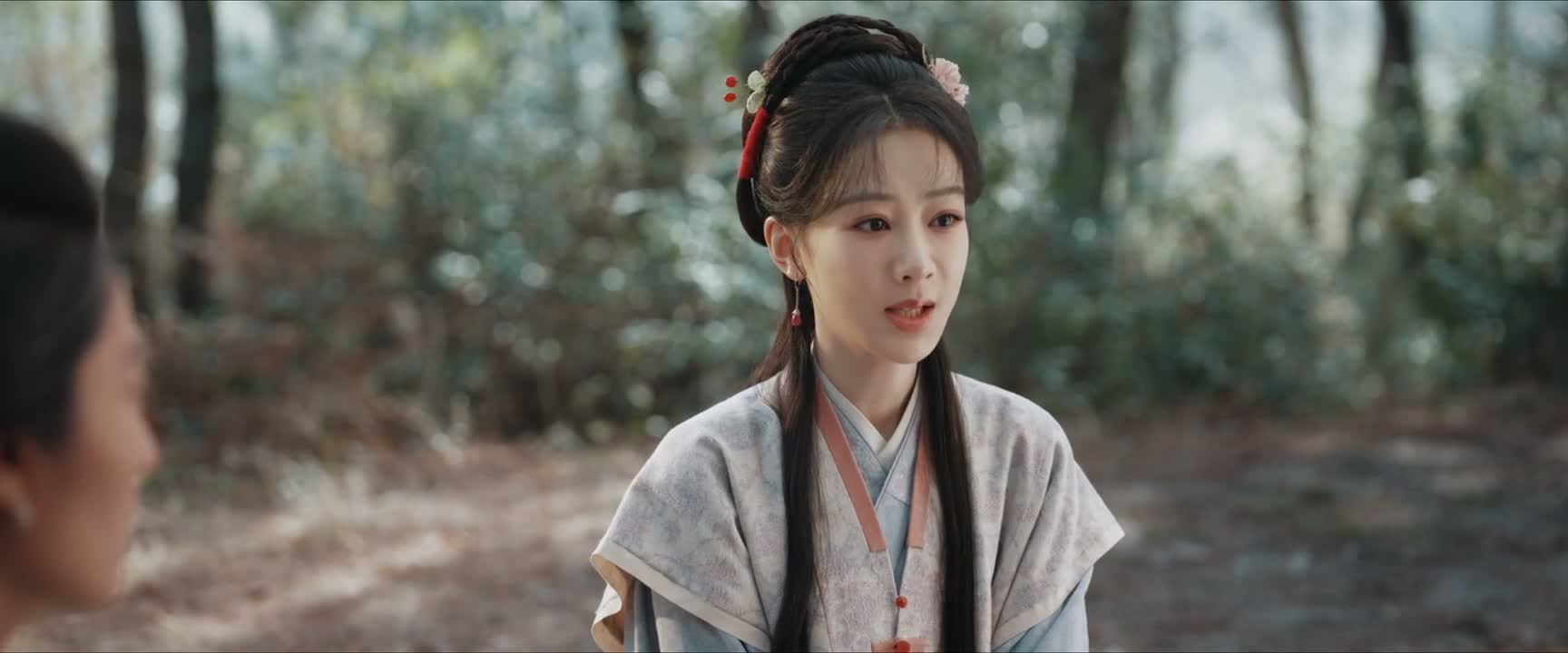
“I will continue doing it for him.”
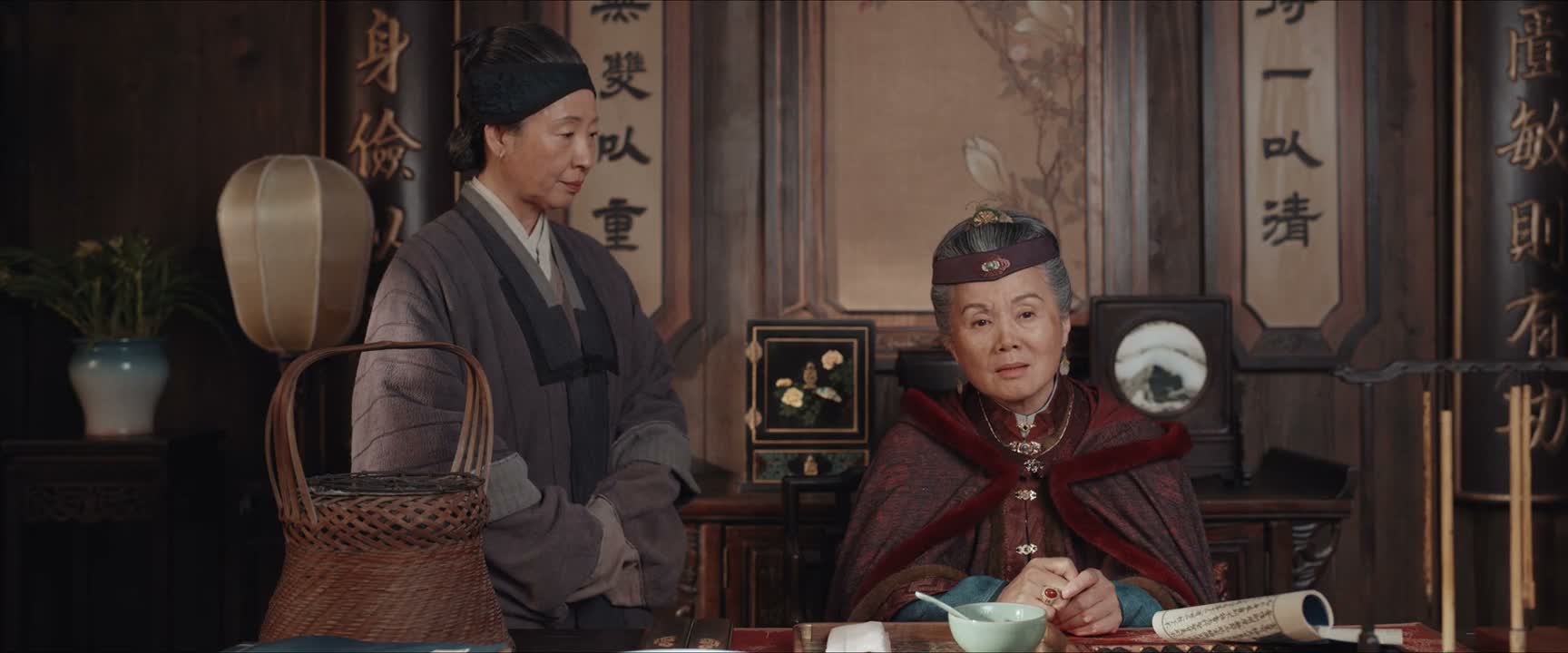
“Zhen has her plans.”
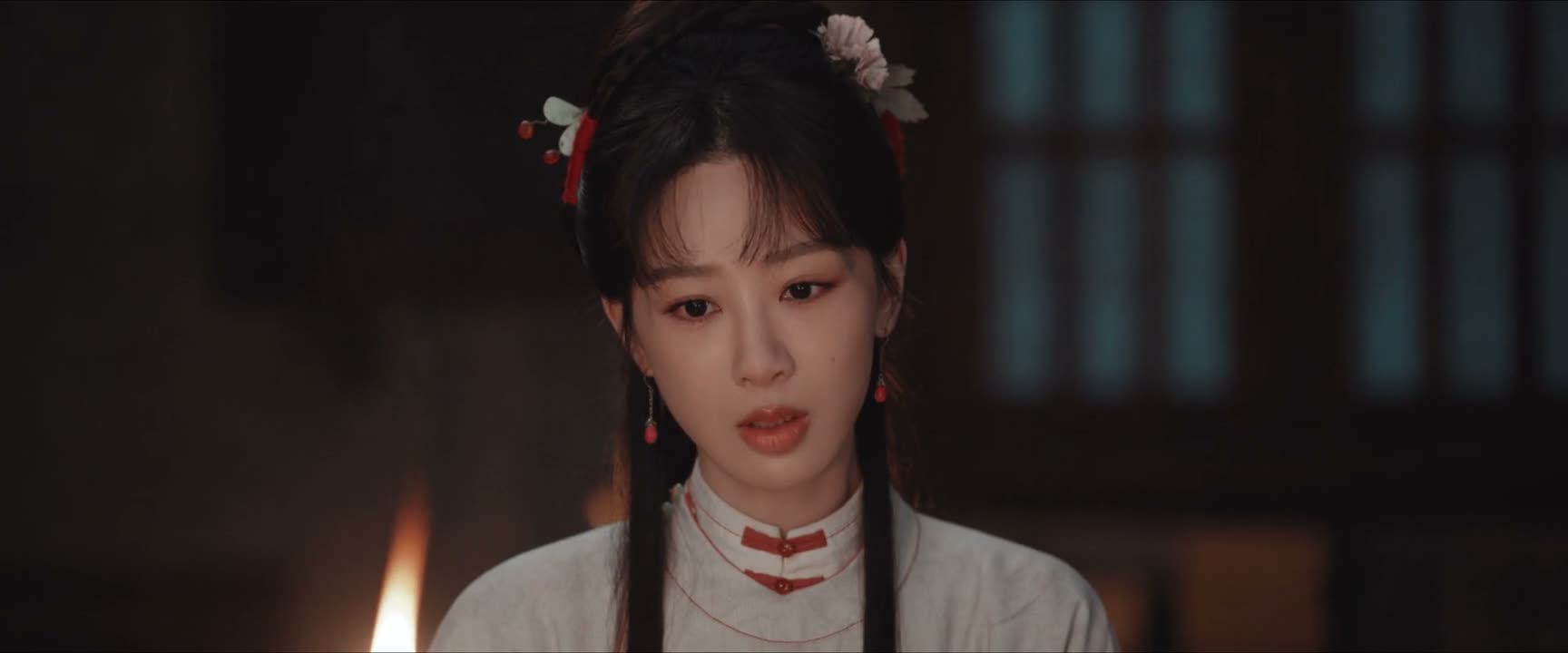
“I'm not completely certain,”

“Zhen, you can't just bring strangers home.”

“Zhen, I did all this so we could have a good life.”