你奇怪说明你有趣
“Being weird means you're interesting.”
THE DIALOGUE REEL
你 奇怪 说明你有趣
“Being weird means you're interesting.”
是我没有眼光
“I was the one who didn't get it.”
“Do not put yourself down; I actually really like the way you are.”
When someone uses self-deprecation to explain a social or romantic setback, Chinese conversational etiquette calls for immediate reframing—turning their perceived flaw into a unique virtue to save their face and show affection.
LEARNING CHUNKS & PARTICLES
it shows/proves that you are interesting
Use '说明' (shuōmíng) in everyday speech to reinterpret a fact or behavior and draw a positive conclusion about someone.
VOCABULARY & EXPRESSIONS
Parallel Spoken Cinema Scenes (语义近邻切片)

“Interesting.”

“You've got an interesting way of talking.”

“Sometimes I really think you men are so strange and conflicted.”

“I realise you're pretty interesting.”
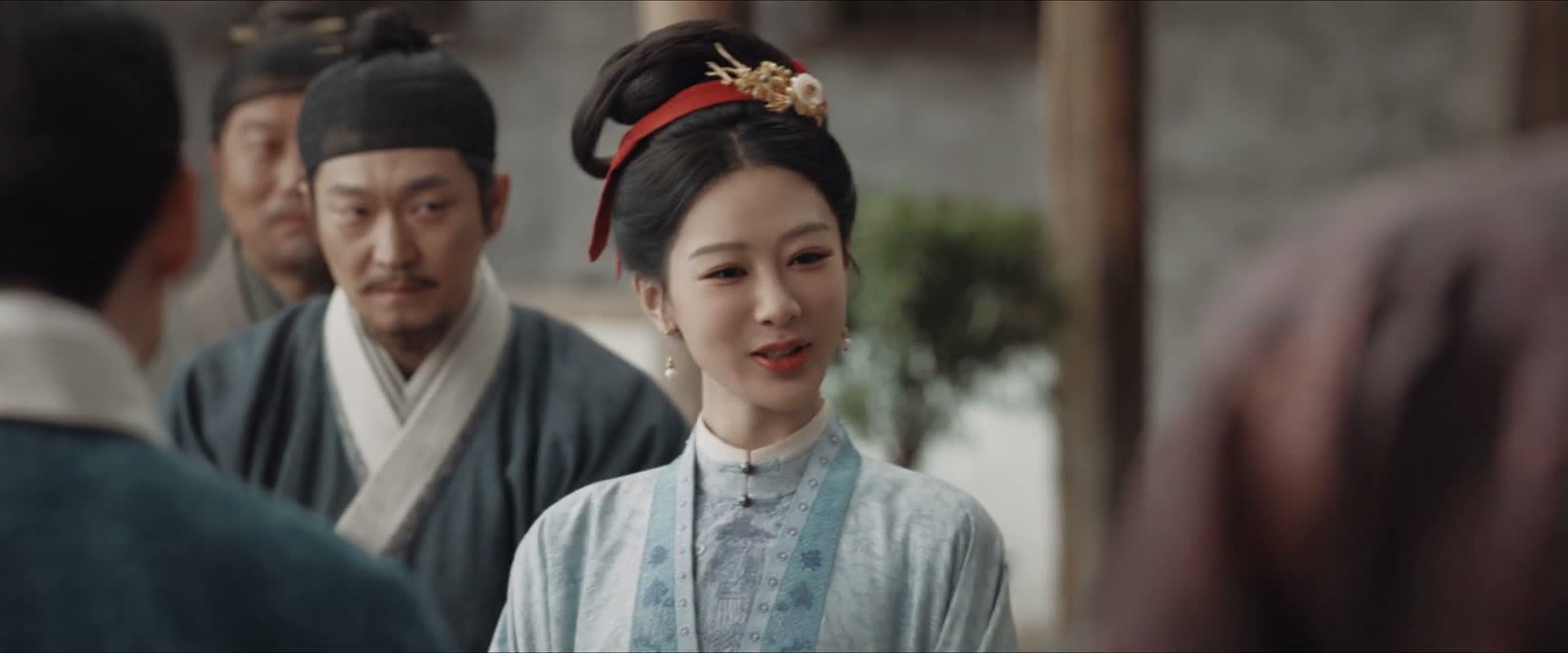
“How interesting. Interesting.”

“So the fun puzzles you were talking about are just math problems?”

“You are really funny.”

“You are an interesting guy.”
“are really interesting.”

“Seriously? Is it fun to kid me like this?”
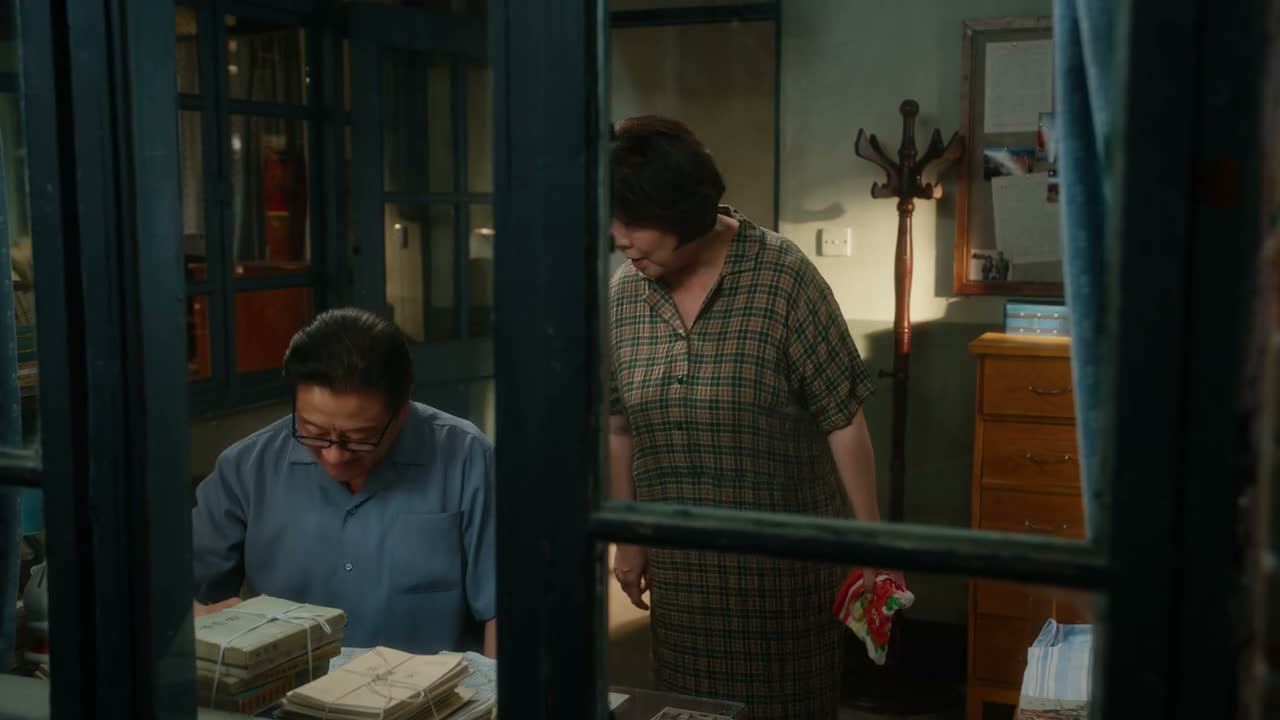
“I think you are interesting.”

“really don't know when to quit.”

“I actually thought just now was quite interesting.”