我不想到头来你跟他们一样
“I don't want you to end up like them.”
THE DIALOGUE REEL
被炸得腿断了 肚子破了
“Their legs were broken and belly was broken.”
我不想 到头来 你 跟他们一样
“I don't want you to end up like them.”
淑真
“Sook-jin.”
“Please do not go into danger; I cannot bear the thought of losing you.”
In Chinese culture, speaking directly of a loved one's potential death is heavily taboo; speakers prefer indirect comparisons like 'ending up like them' to avoid bringing bad luck.
LEARNING CHUNKS & PARTICLES
in the end; after all; ultimately
Often used when talking about an undesirable, disappointing, or tragic final outcome after a long process.
the same as them
Standard comparative structure '跟 + Noun + 一样' used to equate two subjects or fates.
VOCABULARY & EXPRESSIONS
Parallel Spoken Cinema Scenes (语义近邻切片)

“We all meet the same end.”

“he turns out not to be his biological child.”

“I might actually be different from what you think.”

“are the same as the one on my head.”

“not take anyone else as a goody-goody”
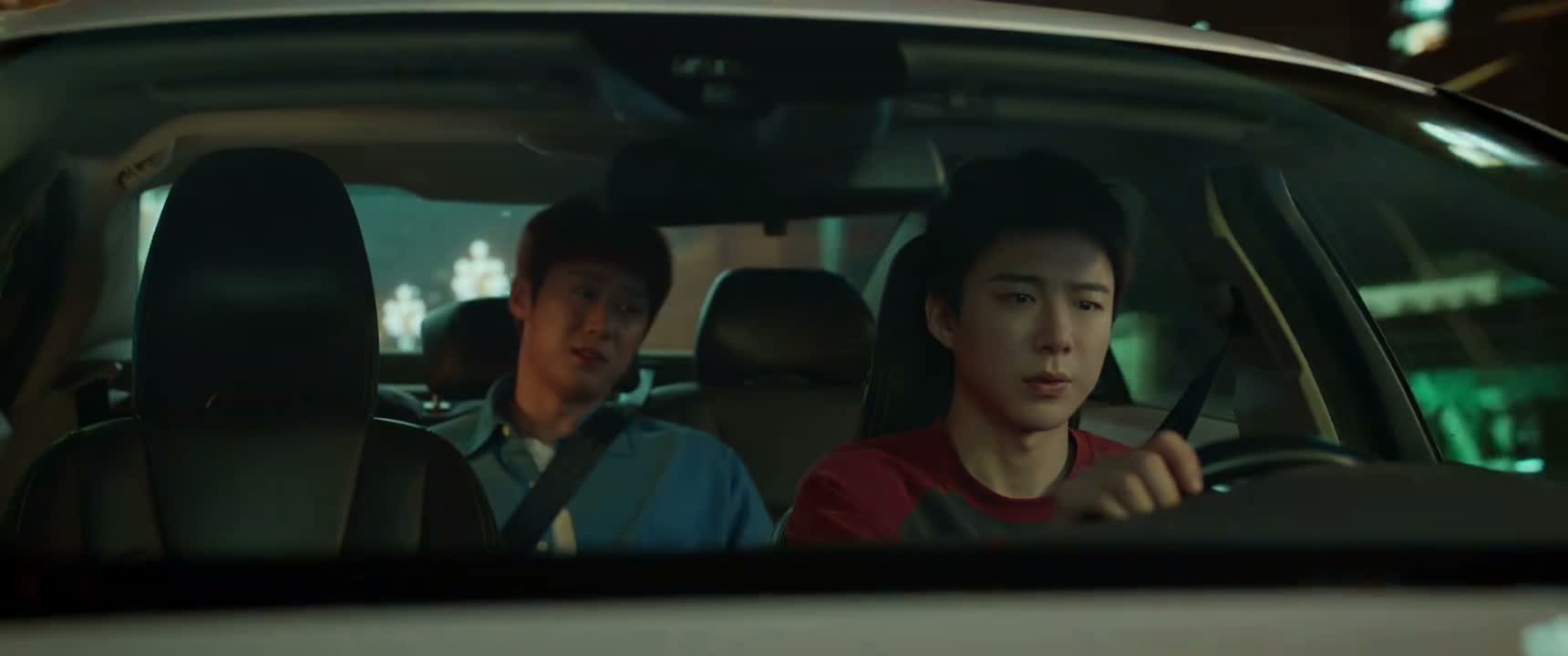
“Can you not treat me like everyone else,”