你不是会唱歌吗 来 你唱一个嘛
“You can sing, right? Come on, sing it.”
THE DIALOGUE REEL
不吃 我吃
“Then I'll eat.”
你 不是会唱歌吗 来 你 唱一个嘛
“You can sing, right? Come on, sing it.”
红兵
“Hongbing.”
“I want to hear your voice and lighten the mood, so don't be shy!”
Using the sentence-final particle 'ma' with an imperative is a classic way in Chinese to act endearingly insistent among close friends or romantic partners.
LEARNING CHUNKS & PARTICLES
Don't you...? / Aren't you...?
A rhetorical structure used to remind someone of a known fact as a springboard to make a request or point.
sing a song / give us a tune
A very natural, casual way to ask someone to perform a song without explicitly saying the noun for song.
Used here in a negative rhetorical question to confirm something the speaker already believes to be true.
Adds a cute, pleading, or coaxing tone, softening the command into an affectionate request.
VOCABULARY & EXPRESSIONS
Parallel Spoken Cinema Scenes (语义近邻切片)
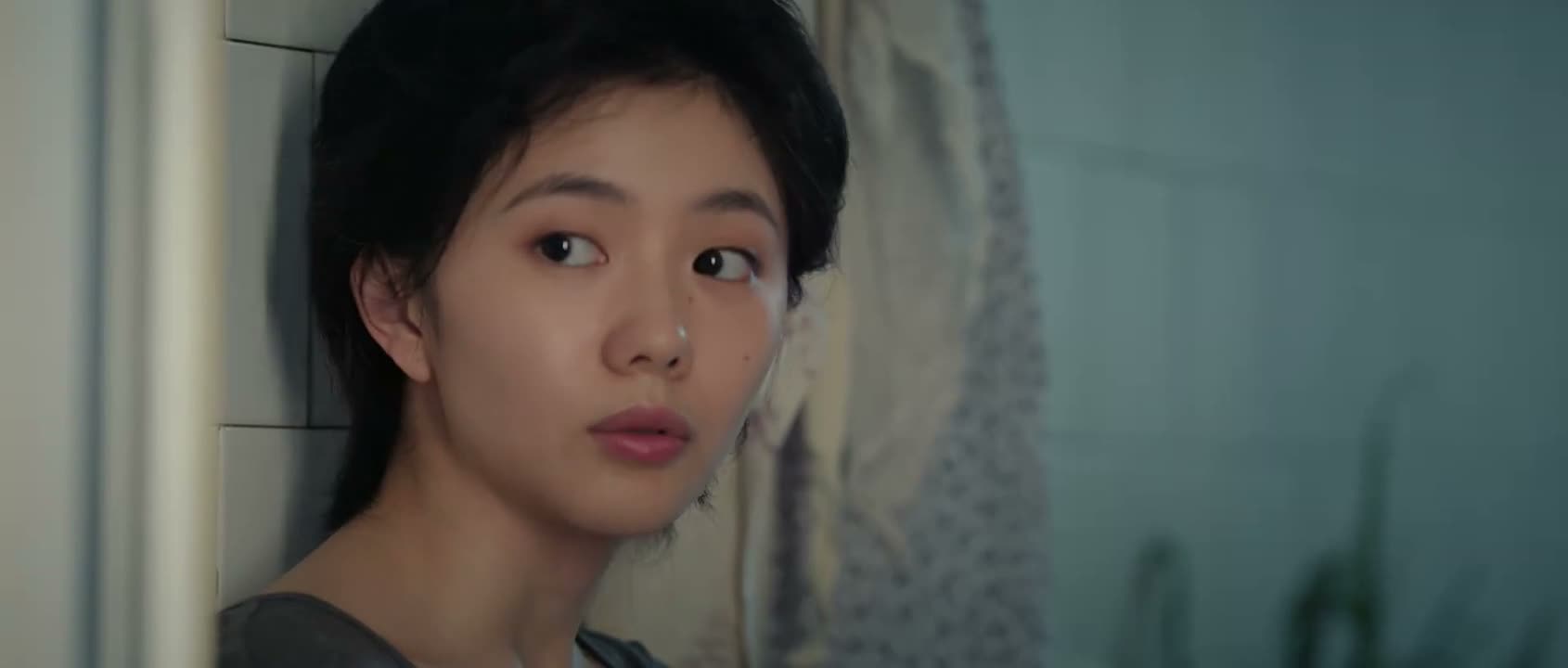
“I didn't know how. How did I sing?”

“If I could sing like you, I wouldn't be going through this.”
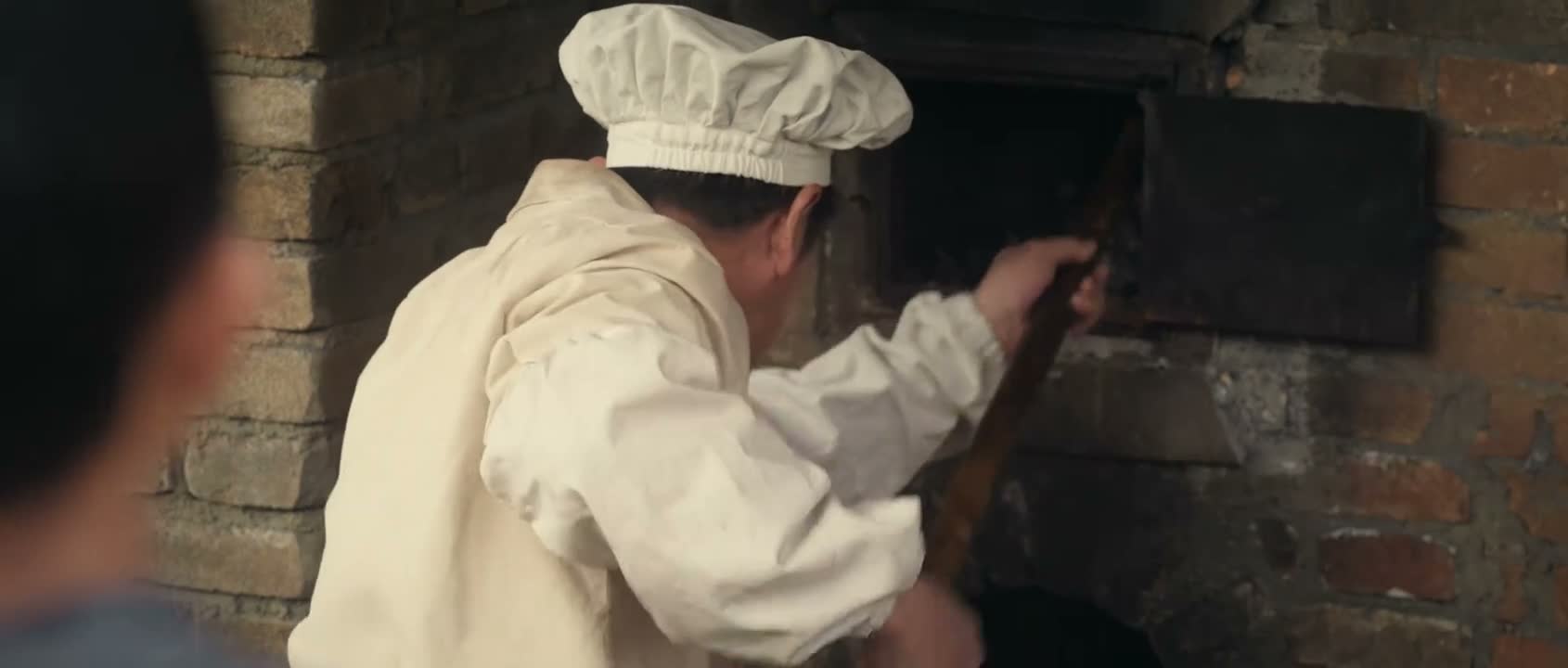
“Tell me why. You can't sing, so I'll do it.”
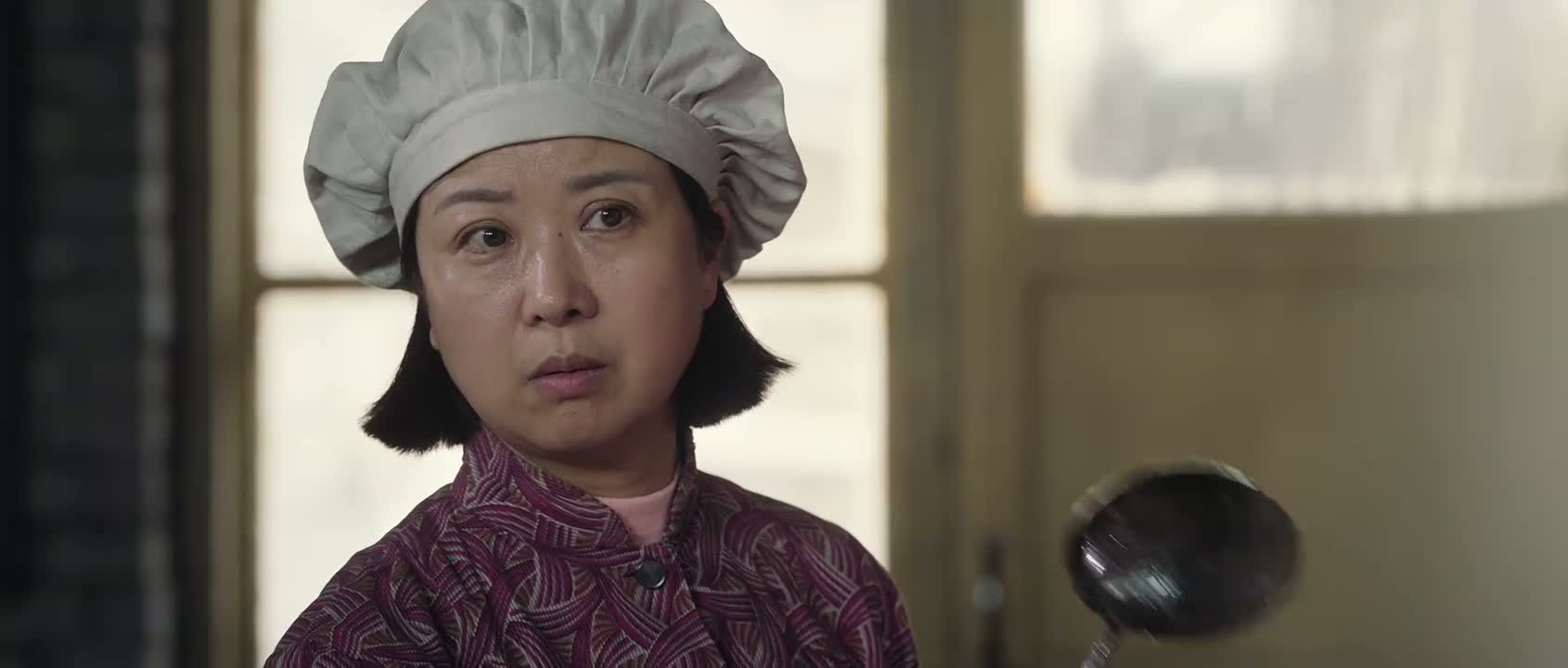
“Is it because you can't?”
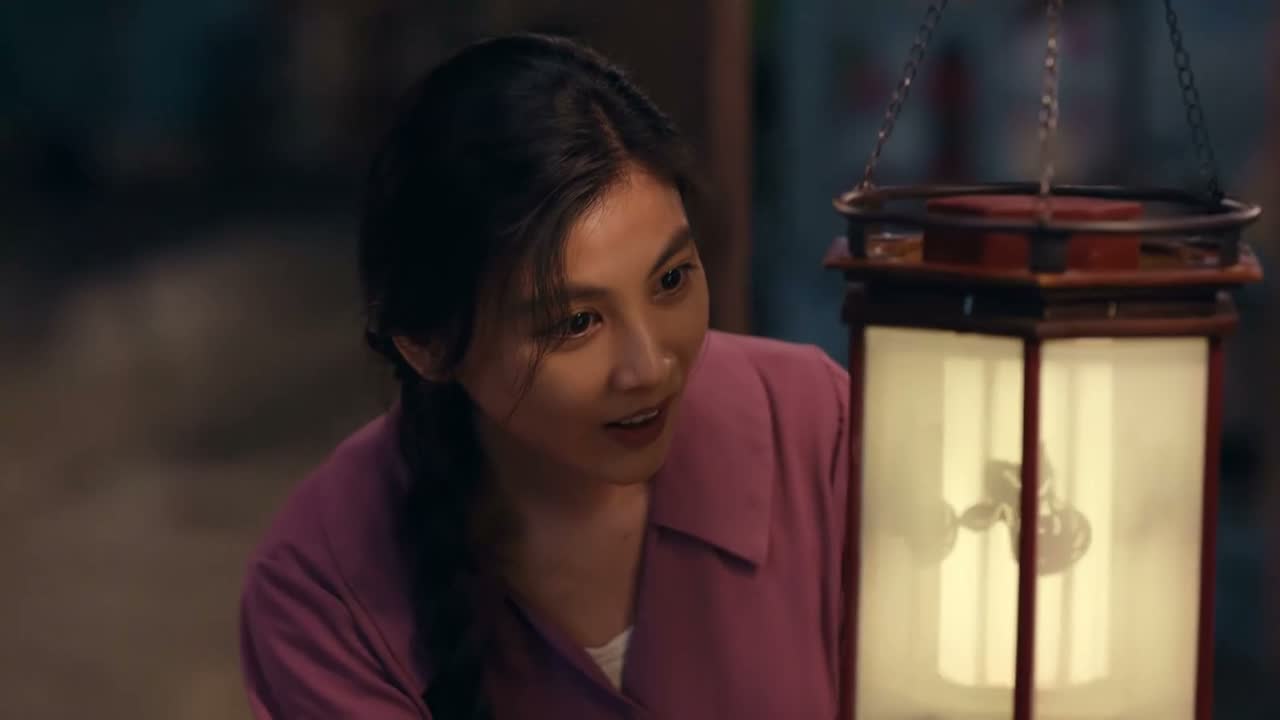
“It's singing.”
“First you say yes, then you say no.”