我生了三个 也没见过这么难带的娃嘛
“I've had three kids, and I've never seen such a difficult baby.”
THE DIALOGUE REEL
“This baby's crying is so bizarre. No more crying.”
我生了三个 也没见过 这么难带 的娃嘛
“I've had three kids, and I've never seen such a difficult baby.”
“This was passed down by our ancestors. It's bound to work.”
“I am an experienced parent, so trust me when I say this baby's behavior is extreme.”
In Chinese families, older relatives often assert authority in childcare by citing the number of children they raised, sometimes leading to reliance on traditional folk practices ('老祖宗留下来的') when modern methods seem to fail.
LEARNING CHUNKS & PARTICLES
hard to raise / fussy (of a baby or child)
Specifically used by parents to describe infants who cry a lot, don't sleep well, or are picky eaters.
still have never seen
Used after stating one's rich experience to highlight how unprecedented the current situation is.
Adds a tone of obviousness and mild frustration, appealing to the listener to agree with the speaker's assessment.
VOCABULARY & EXPRESSIONS
Parallel Spoken Cinema Scenes (语义近邻切片)
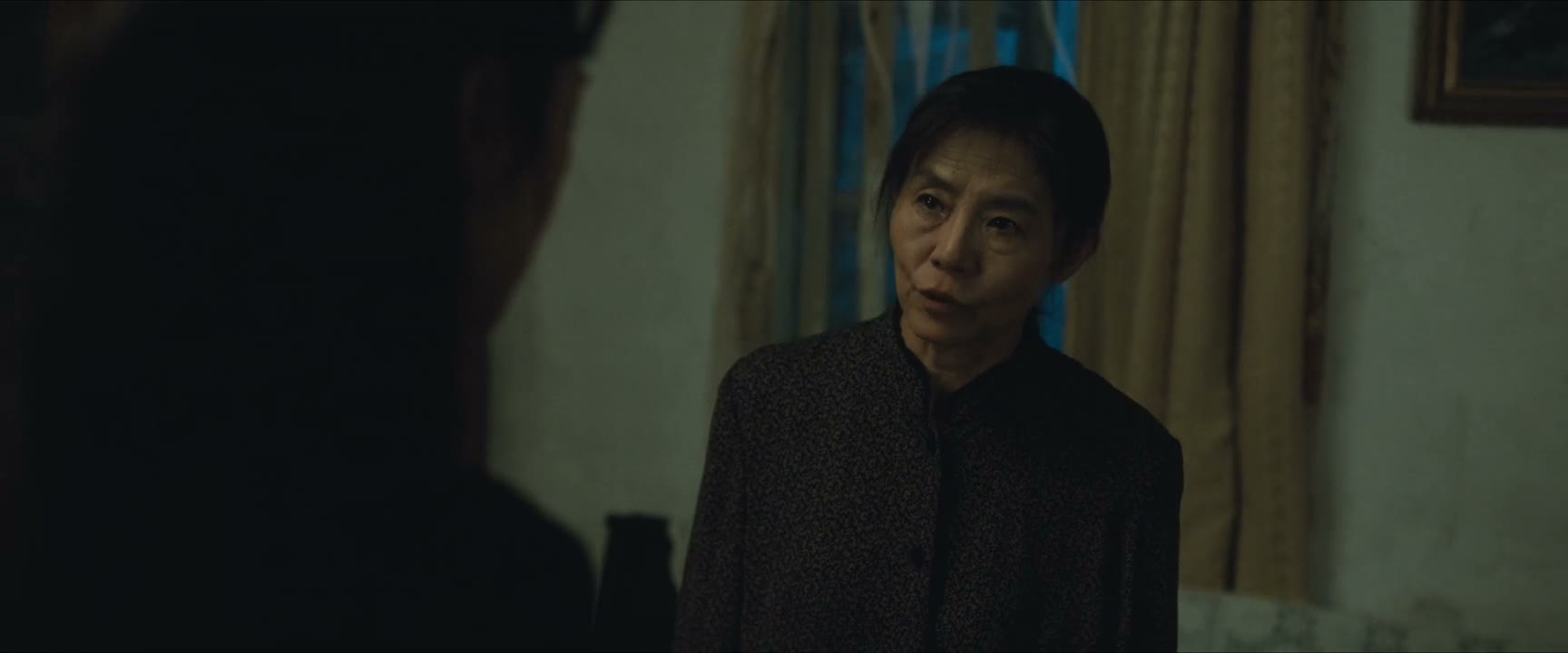
“but what kind of mother only gives birth and never raises her child?”
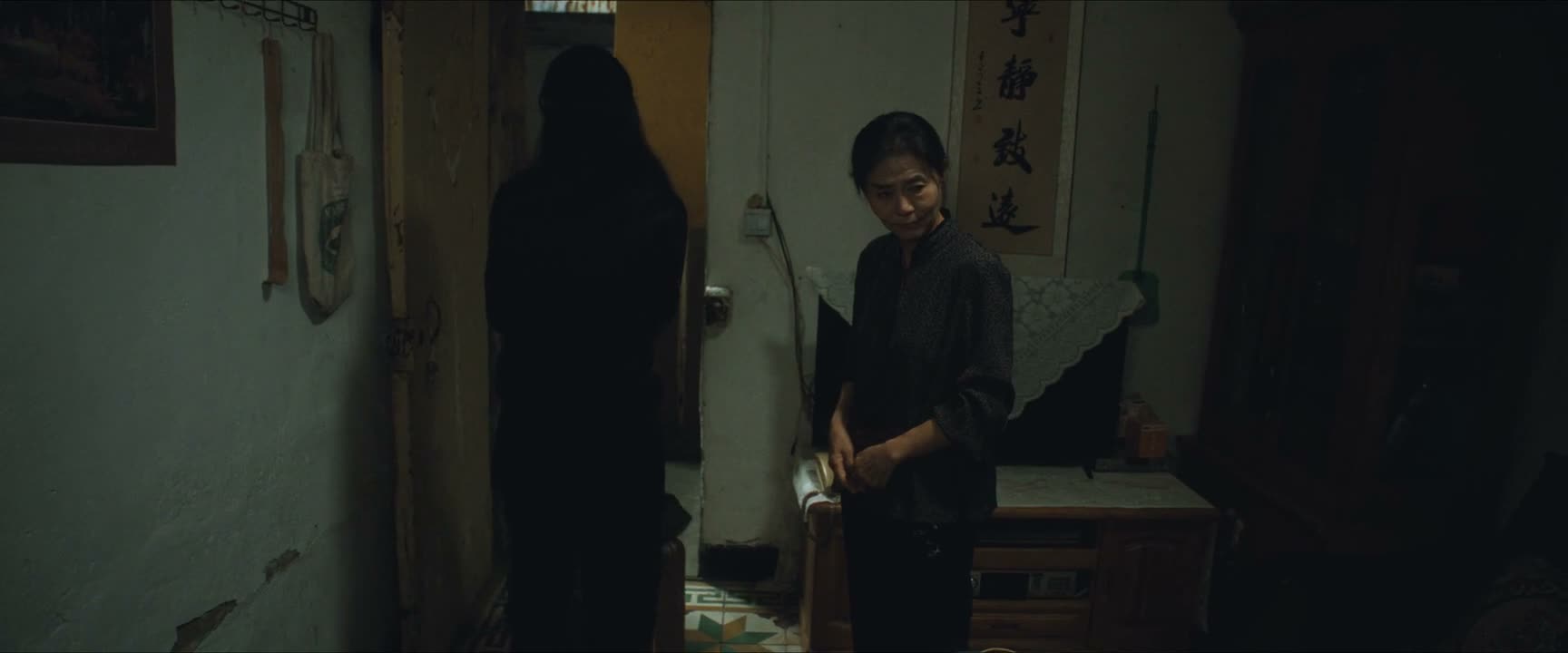
“How can a mother just give birth and not raise her child?”