深藏功与名对吗
“and concealing your contributions, right?”
THE DIALOGUE REEL
就事了拂衣去
“you would slip away without a trace,”
深藏功与名 对吗
“and concealing your contributions, right?”
原本是这样
“That was the original plan.”
“You planned to play the cool, unsung hero and just walk away without me ever knowing what you did, didn't you?”
This line comes from Tang Dynasty poet Li Bai's 'Ode to the Gallant', describing a swordsman who shakes off his clothes and leaves after accomplishing a feat, hiding his merit and fame. Modern Chinese speakers quote this pair of lines playfully to praise or tease someone acting like an anonymous hero.
LEARNING CHUNKS & PARTICLES
to conceal one's achievements and fame; to stay humble after doing something great
Originally from a classical poem, now heavily used in modern spoken Chinese and internet slang as a humorous meme when someone does something impressive and acts nonchalant.
right?; is that correct?
Placed at the end of a statement to seek confirmation from the listener.
Turns the declarative statement into a yes-no tag question seeking confirmation.
VOCABULARY & EXPRESSIONS
Parallel Spoken Cinema Scenes (语义近邻切片)

“I really don't want to be an official. Doing business suits me better.”

“and live under a false name. Am I right?”
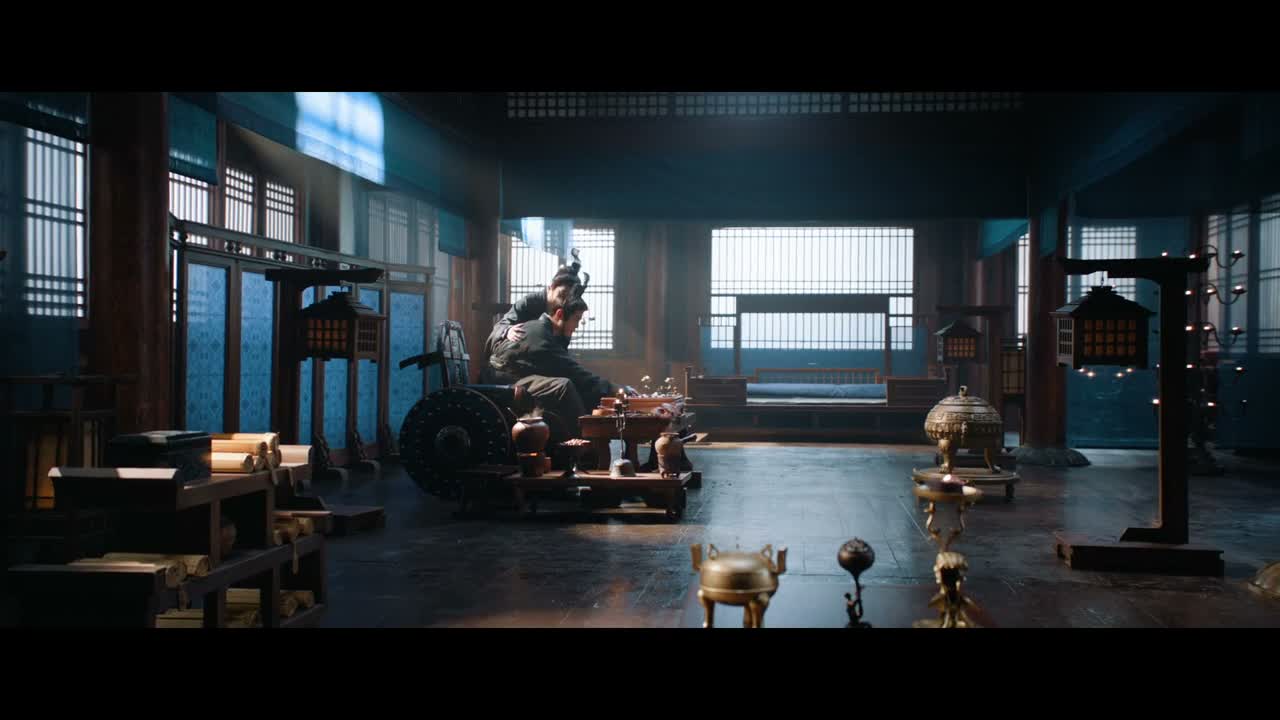
“or live in obscurity?”

“and never thought fame and wealth mattered much.”

“Fame and fortune are funny like that.”
“Even if we didn't achieve much, we've worked hard.”