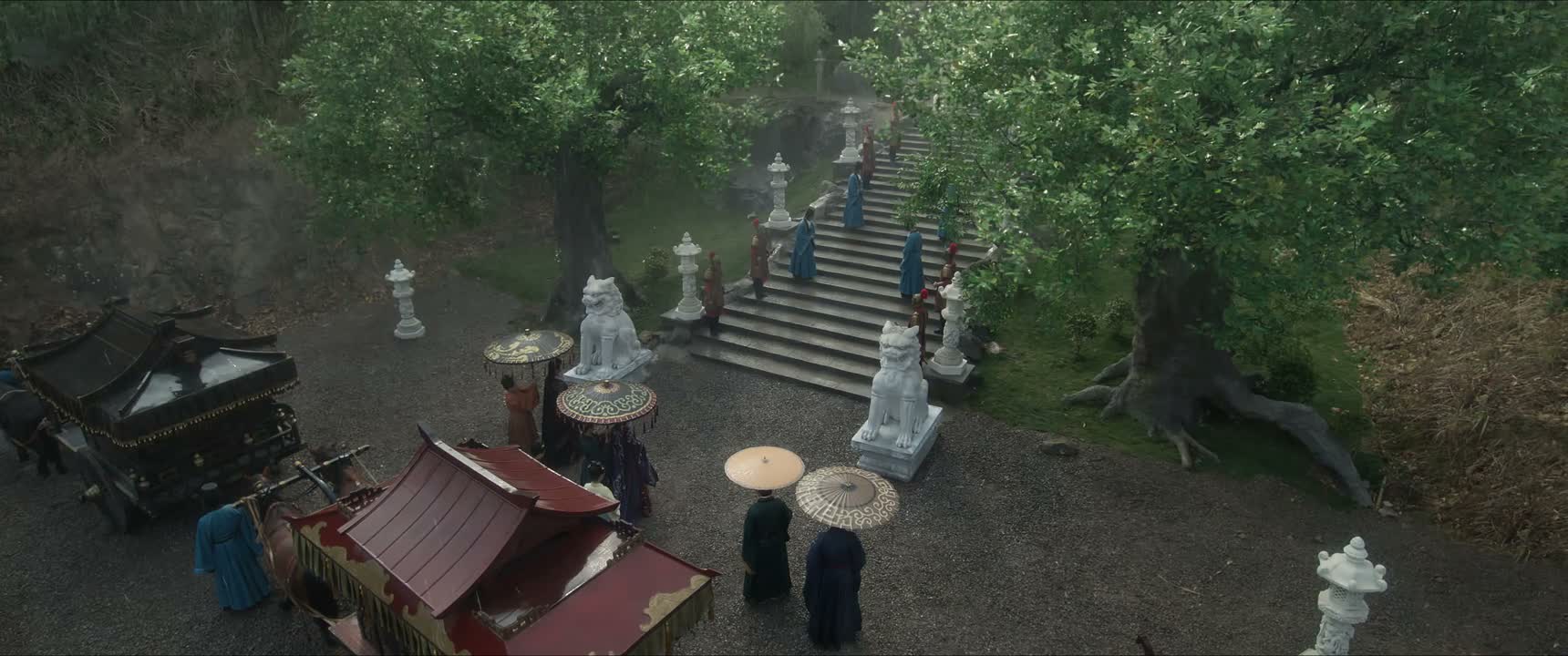
这也算是第一个了 环境还可以啊 不错啊
“It might be a first. The place is good. Not bad.”
THE DIALOGUE REEL
咱马上就开会讨论
“Let's have a meeting now.”
这也 算是 第一个 了 环境 还可以 啊 不错啊
“It might be a first. The place is good. Not bad.”
来客人了
“We have customers.”
Direct spoken expression in this communicative setting.
Chinese speakers frequently use understated phrases like 'hai keyi' (passable/okay) and 'bucuo' (not bad) to express genuine satisfaction and approval, rather than using extreme superlatives.
LEARNING CHUNKS & PARTICLES
can also be counted as / more or less qualifies as
Use this to make a modest or slightly hedged claim about an achievement or status without sounding overly boastful.
passable / pretty good / decent
In Chinese, saying something is '还可以' or '不错' (not bad) often functions as genuine praise, as speakers tend to avoid overly exaggerated adjectives.
Marks a new realization or achieved state ('has now become the first one').
Used twice to add a warm, affirming, and slightly conversational rhythm to the speaker's approval.
VOCABULARY & EXPRESSIONS
Parallel Spoken Cinema Scenes (语义近邻切片)

“Well, the environment is not bad.”
“The surroundings here are indeed quite pleasant.”

“Good environment and good value for money.”