我们不得而知 有确凿的证据吗
“We don't know. Is there concrete evidence”
THE DIALOGUE REEL
获得的这个问题视频呢
“from our former employee?”
我们 不得而知 有 确凿的证据 吗
“We don't know. Is there concrete evidence”
能证明是我们前员工 主动交给他的呢
“to prove that our former employee willingly gave it to him?”
“You have no real proof against us, so stop accusing our company.”
In Chinese business conflicts, representatives use formal idioms and strict demands for proof to stonewall allegations without making emotional admissions.
LEARNING CHUNKS & PARTICLES
have no way of knowing; remain unknown
A formal four-character idiom useful in professional or legal settings to explicitly disclaim knowledge.
conclusive evidence; solid proof
A standard collocated noun phrase used when contesting allegations or demanding hard facts.
Marks a direct yes-no question, used here rhetorically to pressure the listener to provide proof.
VOCABULARY & EXPRESSIONS
Parallel Spoken Cinema Scenes (语义近邻切片)

“We're just guessing right now. We don't have solid evidence.”

“But you can't just devote yourself in it without knowing anything.”
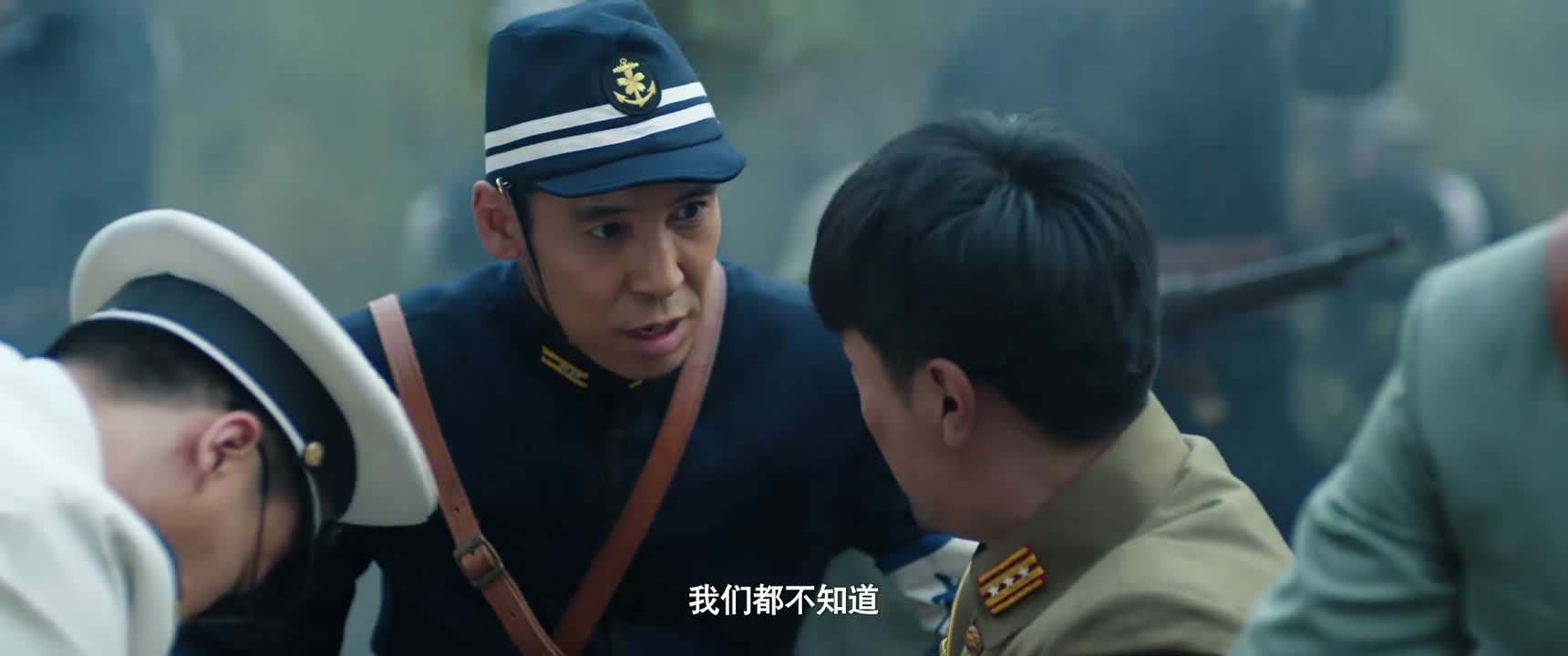
“We didn't know about it”
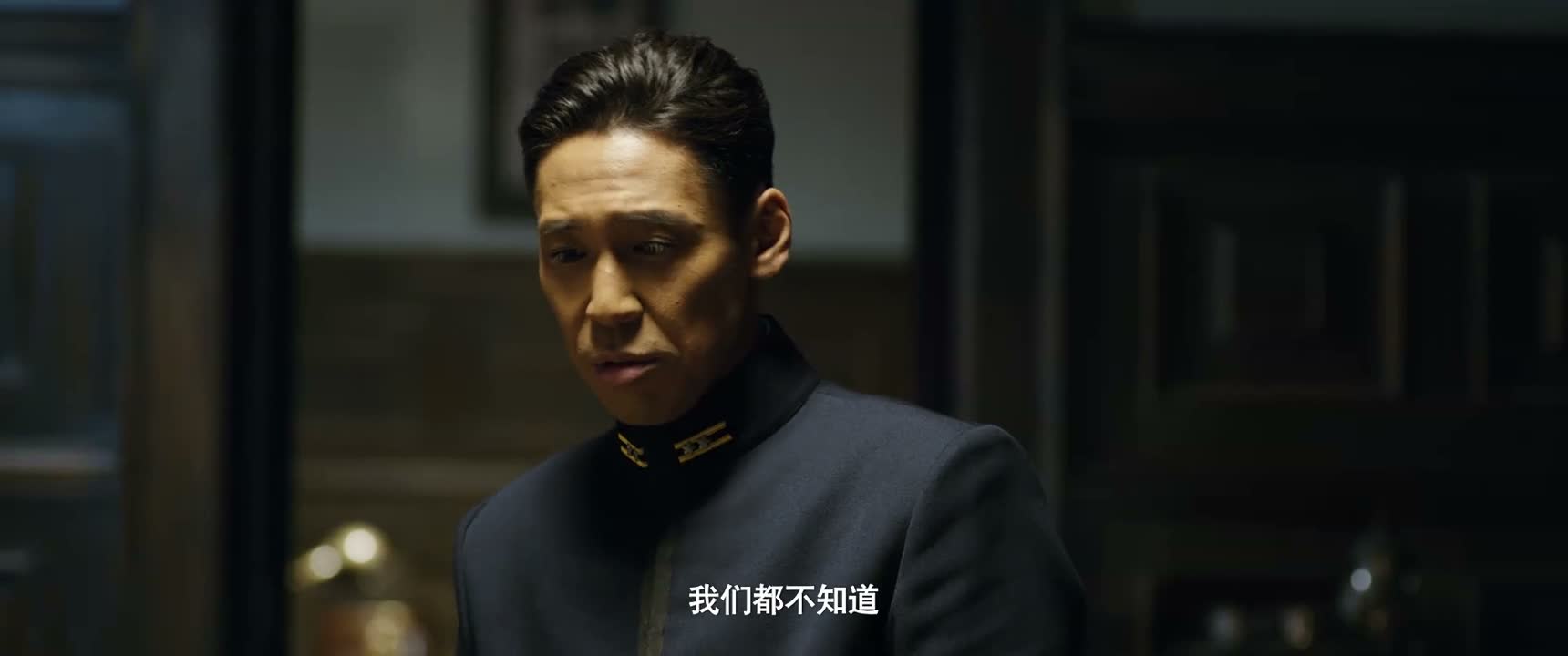
“We don't know.”