MC
MandarinClips Cinema Corpus
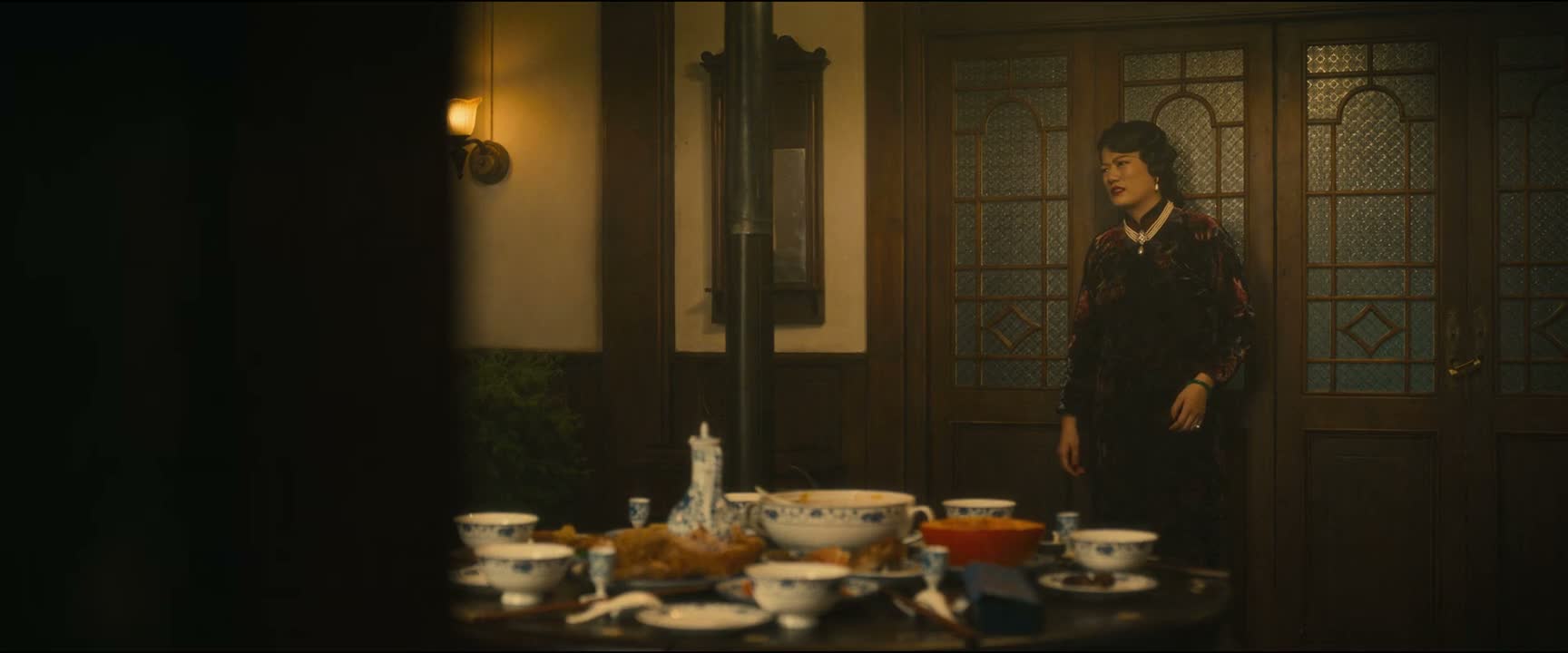
《Echoes of a Thousand Moons》 S1·E18 (06:58) HSK 7
gǔn huí rì běn qù dà diē nǐ bié nào le nǐ fàng kāi wǒ

滚回日本去 大爹 你别闹了 你放开我

“Go back to Japan! Uncle, stop making a scene! Let go of me!”

《Echoes of a Thousand Moons》 S1·E18
TIMECODE: 06:58 · 1080P MASTER AUDIO

THE DIALOGUE REEL

1+1+1 SPOKEN CONTINUITY
[-1] PREVIOUS TURN gǔn huí rì běn qù

滚回日本去

“Go back to Japan!”

gǔn huí rì běn qù dà diē nǐ bié nào le nǐ fàng kāi wǒ CURRENT FOCUS

滚回 日本去 大爹 你 别闹了 你放开我

“Go back to Japan! Uncle, stop making a scene! Let go of me!”

[+1] FOLLOW-UP TURN nǐ bié dǎ le zài dǎ shì jiù dà le nǐ fàng kāi wǒ wǒ bù

“Stop fighting, or things will get worse! Let go of me! I won't.”

Subtitles synced to millisecond timecode Browse Show Clips →
Scene: Crisis & Conflict
Function: INTERVENING
Tone: URGENT
Emotion: ANXIETY
WHAT THEY REALLY MEAN (PRAGMATIC SUBTEXT)
“Calm down before you get us all into serious trouble, and let me go!”
💡 Cultural Insight: Kinship Honorific 'Dadie'

Used in northern and dialectal Chinese to refer to one's father's eldest brother or an elder male relative of that generation.

INTENT TAGS: #de-escalation #restraint #urgency #conflict_intervention
🧩

LEARNING CHUNKS & PARTICLES

3 CHUNKS · 1 PARTICLES
滚回 SPOKEN CHUNK

get lost back to; get the hell back to

A harsh, hostile imperative used to order someone to leave aggressively.

别闹了 SPOKEN CHUNK

stop making a scene; cut it out

Commonly used to halt reckless behavior, temper tantrums, or disruptive antics.

放开我 SPOKEN CHUNK

let me go; release me

Direct imperative used during physical restraint or holding.

Modal Particle「了」 (le) CHANGE OF STATE

Indicates a plea for the cessation of an ongoing action in '别闹了'.
🏮

VOCABULARY & EXPRESSIONS

3 EXPR · 0 GRAMMAR
CROSS-CINEMA CORPUS BOARD · PARALLEL SCENES

Parallel Spoken Cinema Scenes (语义近邻切片)

EXPLORE BY SEMANTIC SIMILARITY
《Echoes of a Thousand Moons》 S1·E18 (06:58) · Authentic Cinema Dialogue Corpus