你放开我
nǐ fàng kāi wǒCommon spoken expression used by native Chinese speakers in daily life.
[Scene: 其他场景]
(17 clips) 00:02
 00:03
(除非己莫为) ── Previous context
“Do you know what you're talking about? You let me go.”
 00:03
 00:02
(半个妹妹谁要 你吓死个谁 我说你是不是故意的) ── Previous context
“Don’t lower yourself to a kid. Let go!”
 00:02
 00:02
(你慢点 让开 莺儿 你听我说 莺儿) ── Previous context
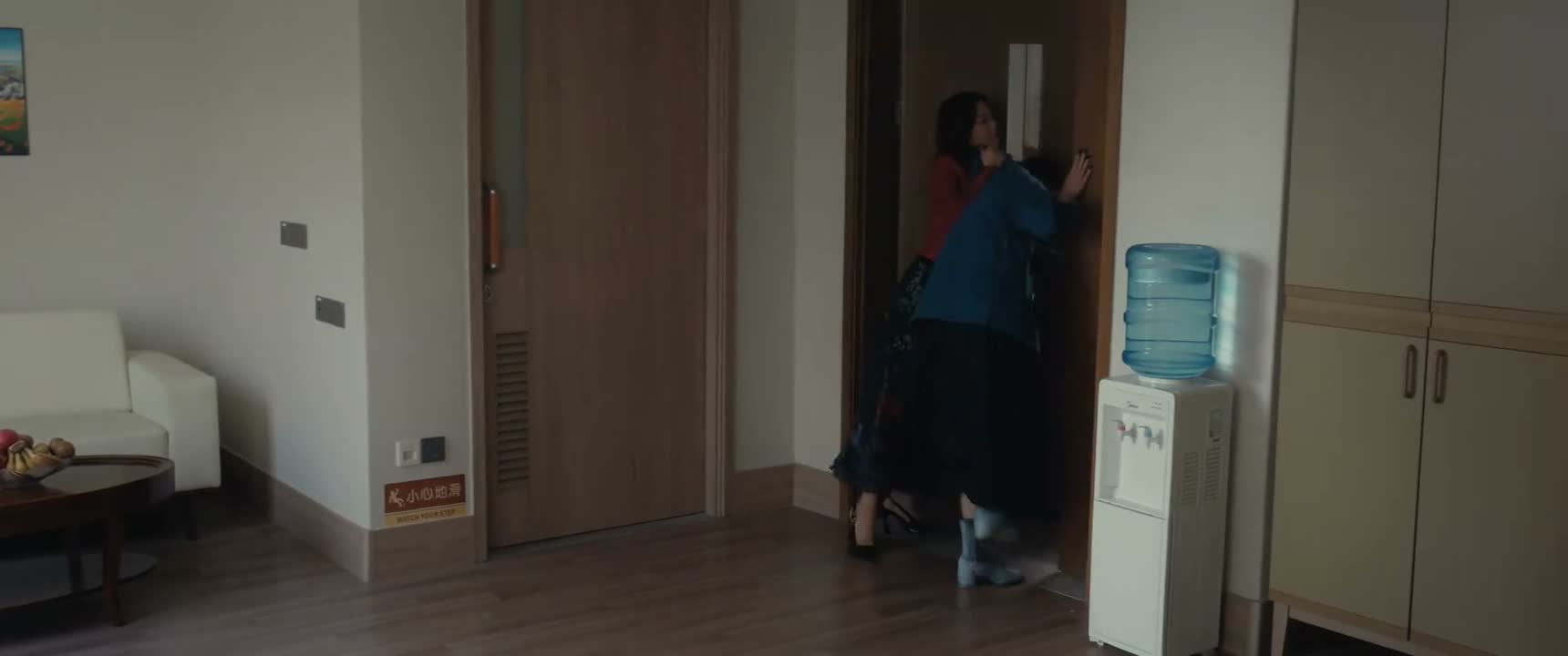
“- Ying'er, hear me out. - Leave me alone!”
 00:02
 00:03
 00:02
 00:03
(我吃个馒头) ── Previous context
“You can't think of doing anything foolish! Let go of me! Everything will pass! Let me go!”
 00:02
 00:02
(拜拜) ── Previous context
“Who are you? Let go of me! -What are you doing? -Who are you?”
 00:03
(滚回日本去) ── Previous context
“Go back to Japan! Uncle, stop making a scene! Let go of me!”
 00:03
(滚回日本去 大爹 你别闹了 你放开我) ── Previous context
“Stop fighting, or things will get worse! Let go of me! I won't.”
 00:03
 00:03
(活该 活该) ── Previous context
“-Let go of me! -You bastard! -Let go of me! -How dare you laugh at me?”
 00:02
[Scene: 其他场景]
(1 clips) 00:02
[Scene: 社交聚会]
(1 clips) 00:03
(我一到晚上就梦到你 我满脑子都是你) ── Previous context
“- Be my girlfriend! - No! Let go! I love you!”
📌 松开
→Nuance: 对应后半句挣脱纠缠的意图
📌 不知道
→Nuance: 共享核心口语谓词: [不知道]
📌 吓死我了
→Nuance: 共享核心口语谓词: [不知道]
📌 放手
→Nuance: 质问与要求放手意图一致
📌 听我说
→Nuance: 核心诉求完全一致可直接替换
📌 干什么
→Nuance: 抗拒挣脱意图与情绪完全一致
📌 滚
→Nuance: 均含推开对方、斥责滚开意图
📌 都不知道
→Nuance: 共享核心口语谓词: [不知道]
📌 相信
→Nuance: 质问并要求放开,核心意图一致
📌 千万别
→Nuance: 劝阻别寻短见,交际意图一致