- 亲家 - 我们父女俩已经很久没见了
“- it had been so long since we last met. - Hey, in-law!”
THE DIALOGUE REEL
三年前我去清潭看她的时候
“When I went to Qingtan to see her three years ago,”
- 亲家 - 我们父女俩已经 很久没见 了
“- it had been so long since we last met. - Hey, in-law!”
亲家 你…你怎么来了?
“In-law, why… why are you here?”
“Do not question why I came; a father has every right to see his daughter.”
Relationships between parents-in-law are sensitive and governed by strict politeness; using biological parental rights helps normalize unexpected interventions in an in-law household.
LEARNING CHUNKS & PARTICLES
in-laws; child's parent-in-law
A standard reciprocal address between the parents of a married couple.
the two of us, father and daughter
The suffix '俩' (two) naturally attaches to paired familial terms like 父子俩, 母女俩, or 夫妻俩.
Signifies a change of state or marks duration accrued up to the present moment.
VOCABULARY & EXPRESSIONS
Parallel Spoken Cinema Scenes (语义近邻切片)
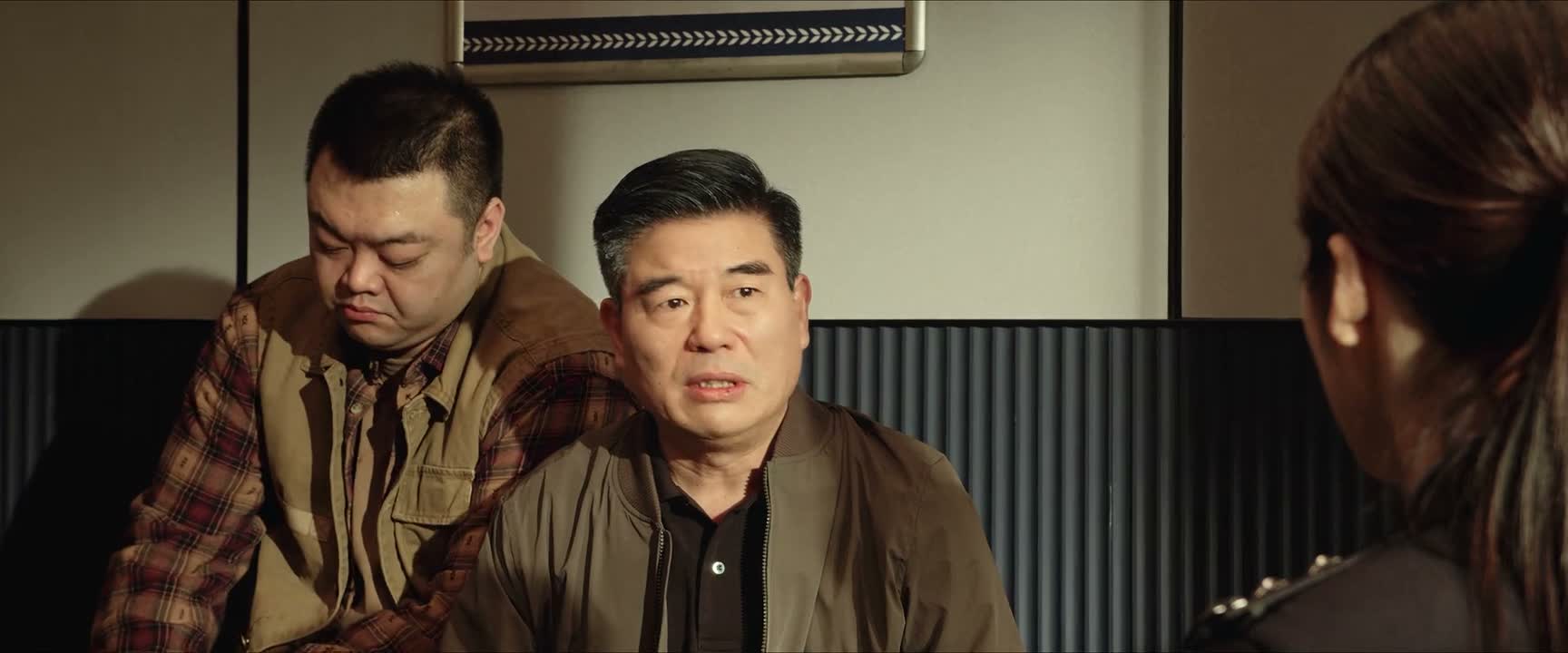
“His parents are back in China.”

“I've finally found someone I can trust!”

“How could you say that?”

“My dearest Mrs. Zhao,”
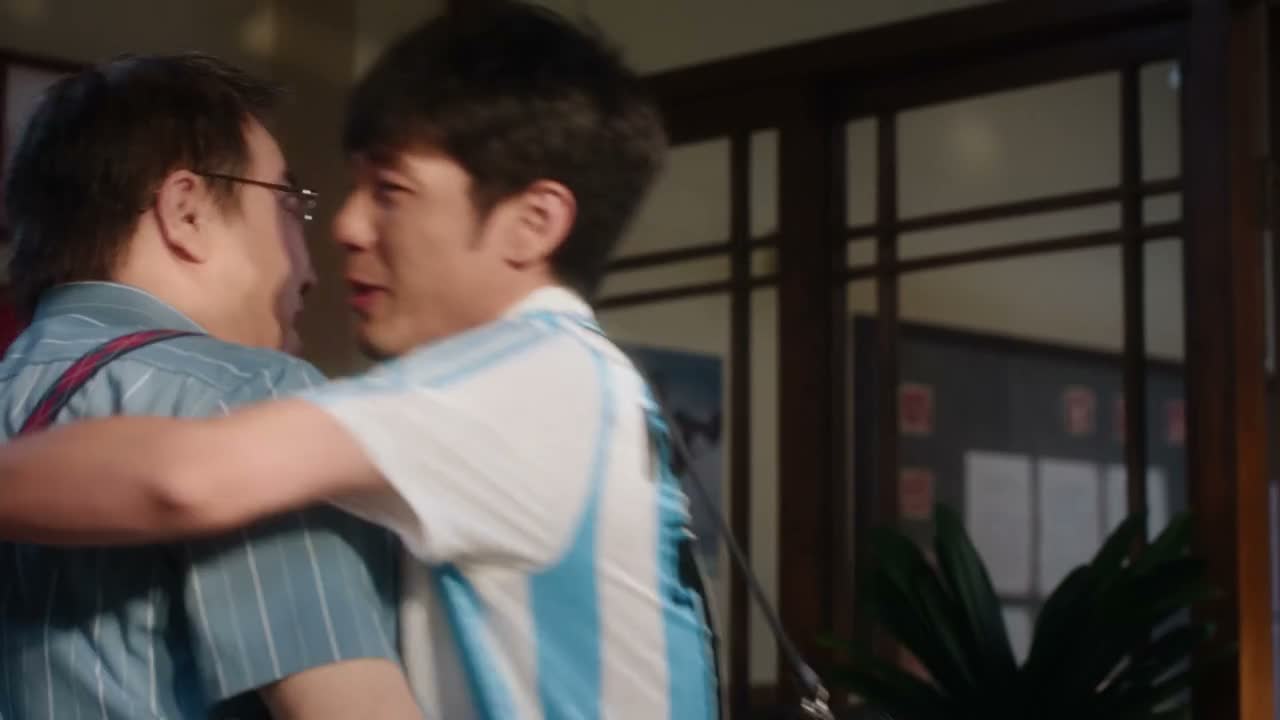
“I finally get to see my family!”
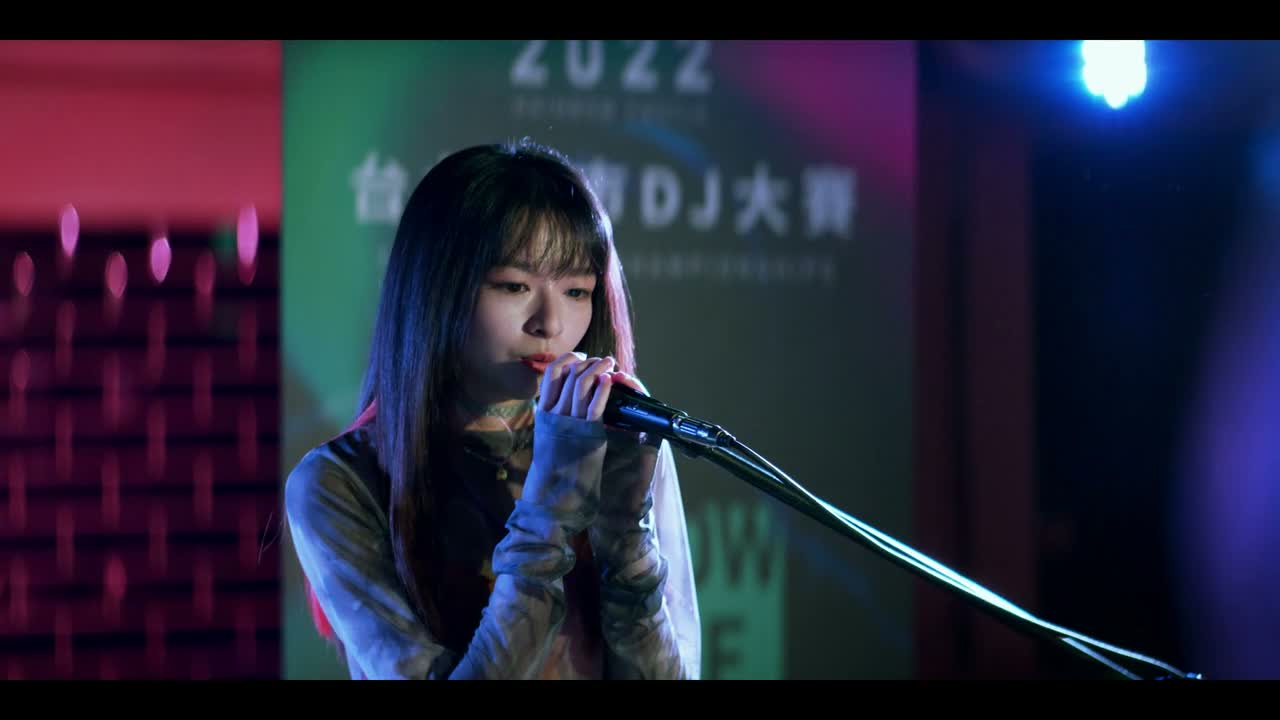
“I haven't seen him in a year.”