我的亲亲大娘
“My dearest Mrs. Zhao,”
THE DIALOGUE REEL
“He'll probably stick around even if you tell him to go!”
我的亲亲大娘
“My dearest Mrs. Zhao,”
逼他入赘给一个杀猪的
“it's not a good idea to coerce him into marrying a butcher.”
“Oh, my good grief, how out of touch can you possibly be?”
Doubling intimate adjectives before kinship terms like '亲亲' is often employed affectionately or exasperatedly to soften sharp contradictions when correcting an elder.
LEARNING CHUNKS & PARTICLES
dearest aunt / beloved elder aunt
A folksy, affectionate, or mock-dramatic vocative used to address an aunt before venting exasperation or delivering sobering news.
Parallel Spoken Cinema Scenes (语义近邻切片)

“If Mother were still alive,”
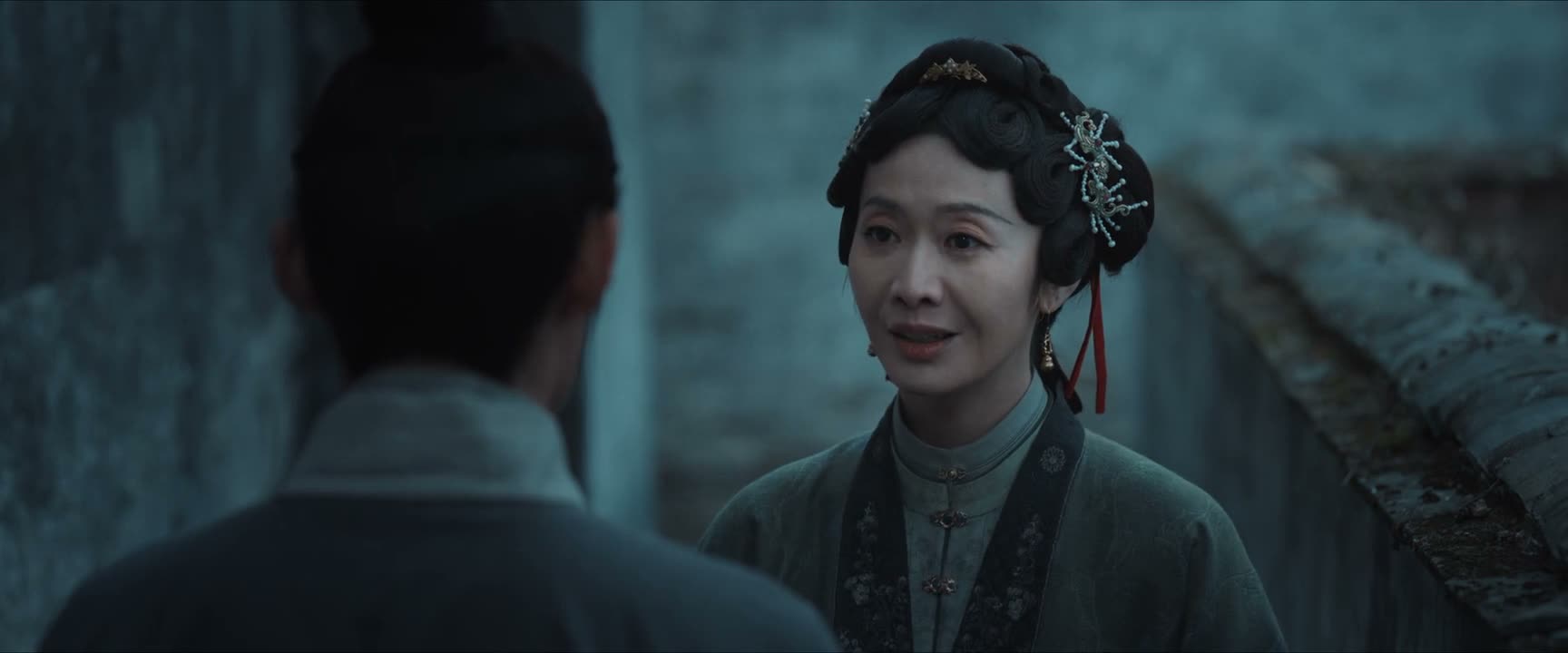
“People always say a maternal uncle is closest to the child.”
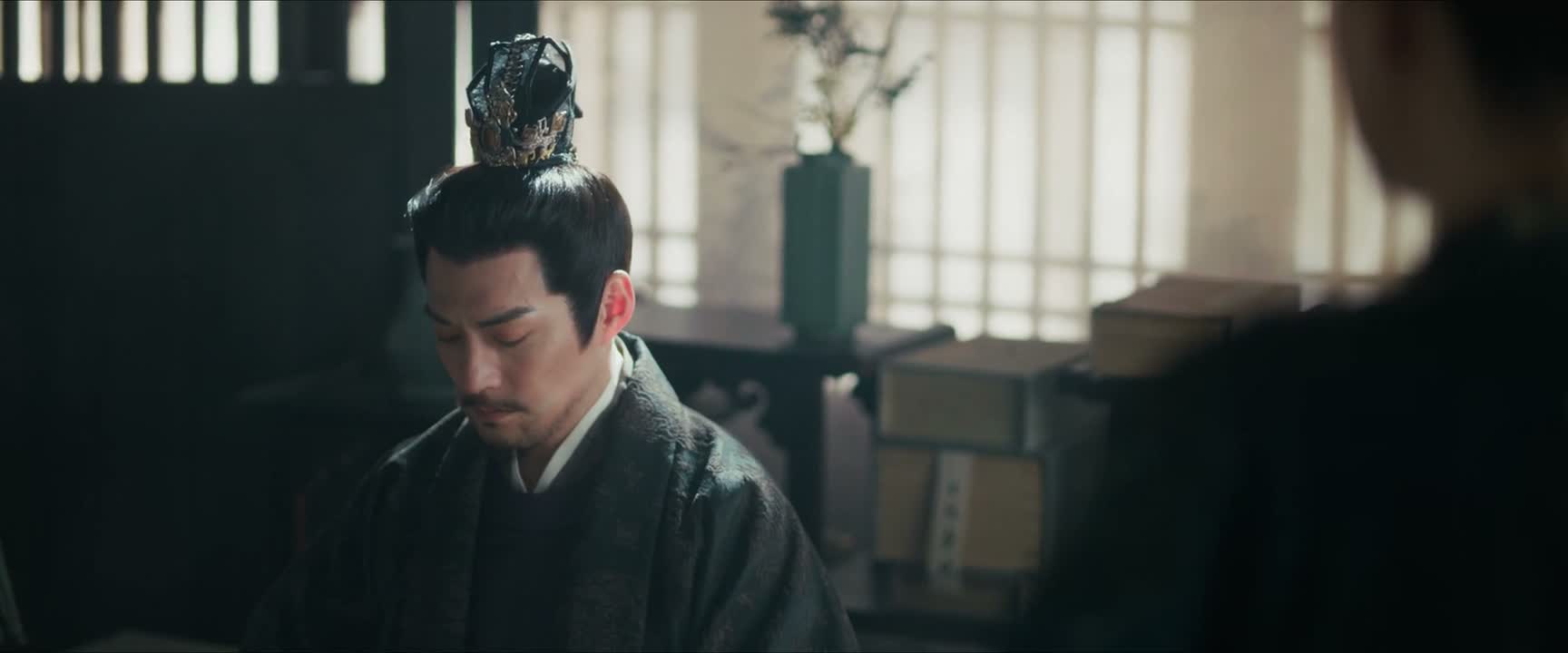
“They say a maternal uncle is like a second father.”

“Then I will tell you some good news.”

“my dearest family,”

“- it had been so long since we last met. - Hey, in-law!”