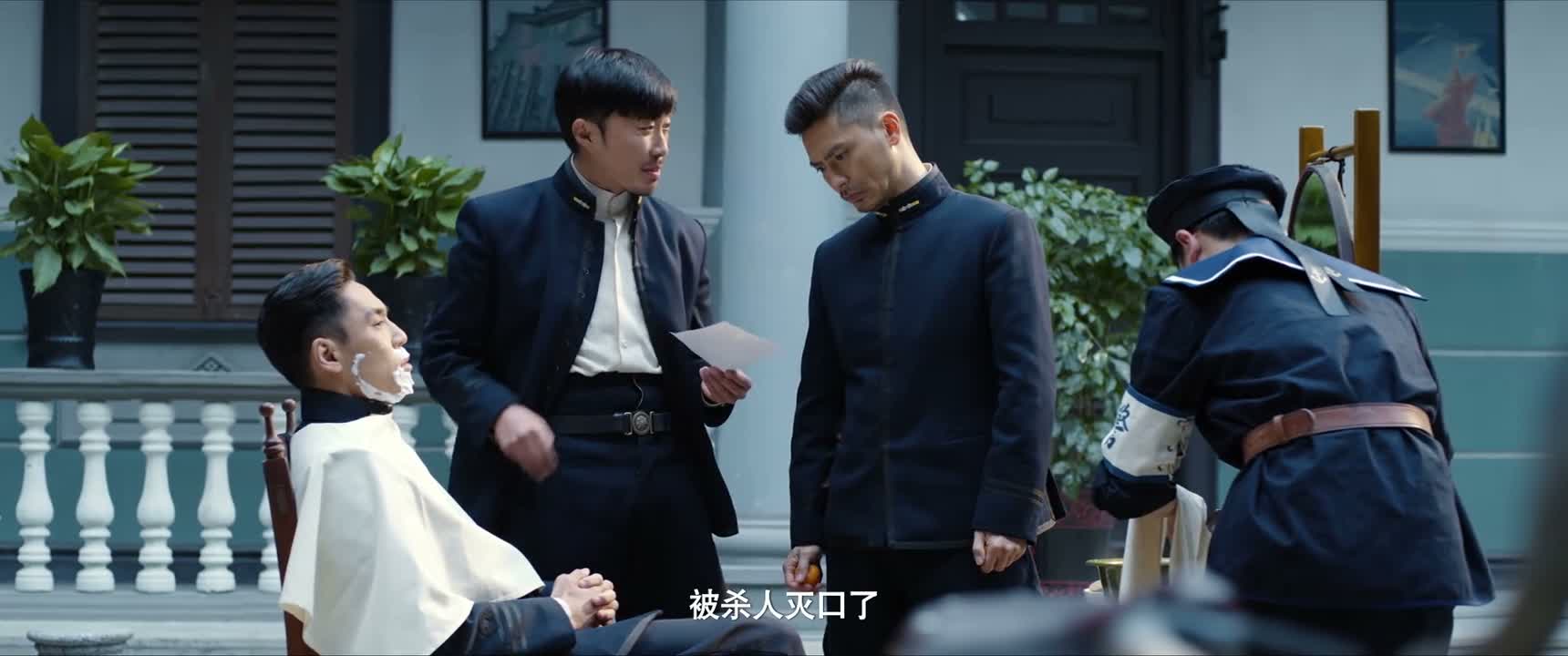
《Cage of Shadows》 S1·E20 (02:18)
HSK 7
shā hài wǒ fū jūn de zuì kuí huò shǒu
杀害我夫君的罪魁祸首
“that the culprit who killed my husband”
《Cage of Shadows》
S1·E20
TIMECODE: 02:18
·
1080P MASTER AUDIO
THE DIALOGUE REEL
[-1] PREVIOUS TURN
méi xiǎng dào
没想到
“I never thought”
shā hài wǒ fū jūn de zuì kuí huò shǒu
CURRENT FOCUS
杀 害我 夫君的 罪魁祸首
“that the culprit who killed my husband”
[+1] FOLLOW-UP TURN
jū rán shì wǒ diē
居然是我爹
“would actually be my father.”
Subtitles synced to millisecond timecode
Browse Show Clips →
Scene:
Crisis & Conflict
Function:
REVEALING TRUTH
Tone:
ANGUISHED
Emotion:
GRIEF
WHAT THEY REALLY MEAN (PRAGMATIC SUBTEXT)
Direct spoken expression in this communicative setting.
💡 Cultural Insight: Familial Betrayal in Tragic Tropes
In Chinese historical drama narratives, conflict between filial piety and marital loyalty represents the ultimate emotional and moral dilemma.
INTENT TAGS:
#revelation
#denunciation
#lamentation
🧩
2 CHUNKS · 0 PARTICLES
LEARNING CHUNKS & PARTICLES
罪魁祸首
SPOKEN CHUNK
chief culprit; main offender
A common formal idiom used to emphasize the person or primary cause responsible for a disaster or crime.
夫君
SPOKEN CHUNK
husband (classical/formal)
A traditional, respectful term used by a wife to refer to or address her husband, primarily seen in historical dramas.
🏮
2 EXPR · 1 GRAMMAR
VOCABULARY & EXPRESSIONS
COLLOQUIAL EXPRESSIONS:
GRAMMAR BLUEPRINTS:
CROSS-CINEMA CORPUS BOARD · PARALLEL SCENES
EXPLORE BY SEMANTIC SIMILARITY
Parallel Spoken Cinema Scenes (语义近邻切片)

《Cage of Shadows》 S1·E20 (02:18) · Authentic Cinema Dialogue Corpus