MC
MandarinClips Cinema Corpus
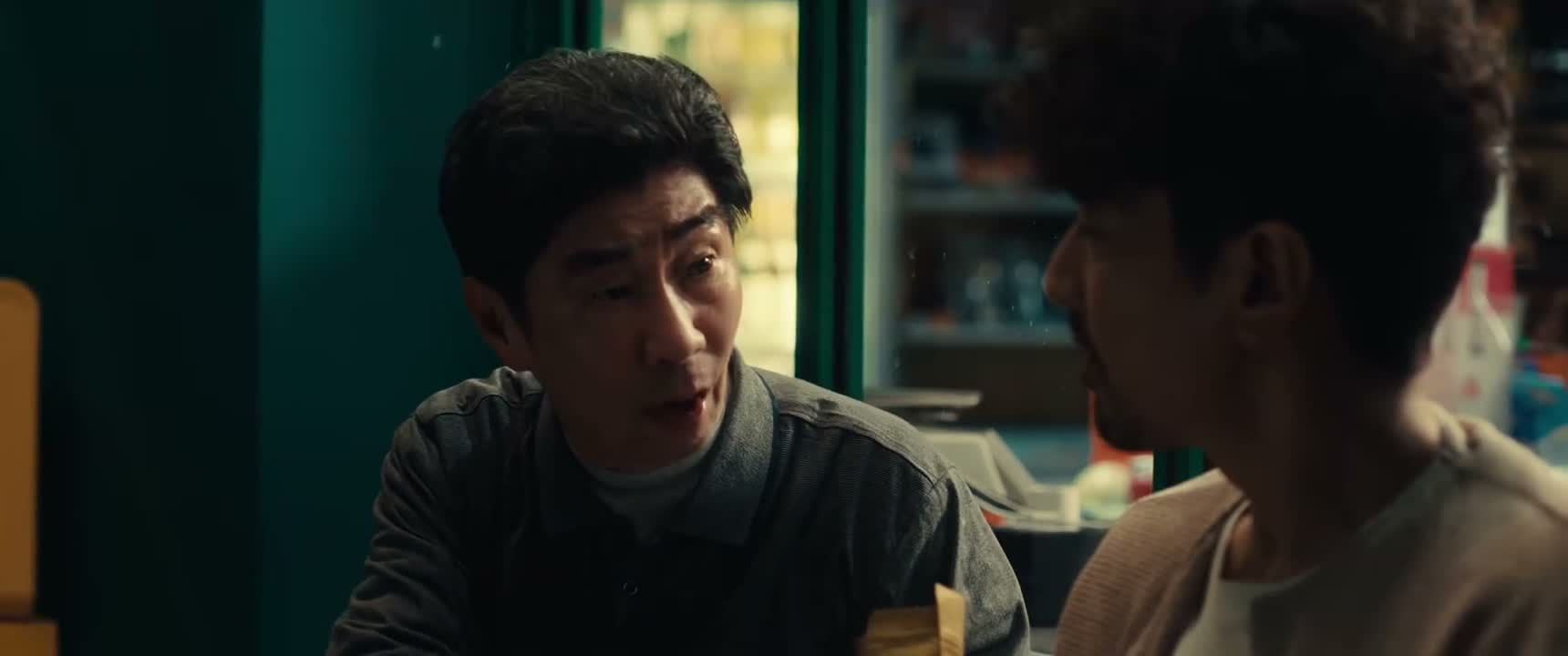
《Lady Liberty》 S1·E6 (26:37) HSK 1
yǒu de shí hòu ne nǐ qiān cháng guà dù yào sǐ yào huó de dōng xī

有的时候呢 你牵肠挂肚 要死要活的东西

“Sometimes, your obsessions and the ones you'd die for”

《Lady Liberty》 S1·E6
TIMECODE: 26:37 · 1080P MASTER AUDIO

THE DIALOGUE REEL

1+1+1 SPOKEN CONTINUITY
[-1] PREVIOUS TURN nǐ bù jīng lì nǐ bù zhī dào

你不经历你不知道

“You'll get it when you've felt it.”

yǒu de shí hòu ne nǐ qiān cháng guà dù yào sǐ yào huó de dōng xī CURRENT FOCUS

有的时候 呢 你 牵肠挂肚 要死要活 的 东西

“Sometimes, your obsessions and the ones you'd die for”

[+1] FOLLOW-UP TURN nǐ zhēn de shǒu yī sōng

你真的手一松

“will be gone for good”

Subtitles synced to millisecond timecode Browse Show Clips →
Scene: Social & Dating
Function: PHILOSOPHIZING
Tone: REFLECTIVE
Emotion: SERENITY
WHAT THEY REALLY MEAN (PRAGMATIC SUBTEXT)
“You think you cannot live without this, but trust me, letting go is not as fatal as you imagine.”
💡 Cultural Insight: Emotional Detachment (Kanpo / Fangxia)

A common East Asian life philosophy emphasizing that suffering comes from fixation, and peace comes from letting go.

INTENT TAGS: #consoling #advising #reflecting #enlightening
🧩

LEARNING CHUNKS & PARTICLES

2 CHUNKS · 1 PARTICLES
牵肠挂肚 SPOKEN CHUNK

deeply concerned; constantly worrying about someone or something

Use this four-character idiom to describe profound emotional attachment or nagging concern.

要死要活 SPOKEN CHUNK

making a desperate fuss; caring to death

Colloquial idiom often used to describe exaggerated despair or intense, dramatic emotional struggle.

Modal Particle「呢」 (ne) CHANGE OF STATE

Pauses the topic frame gently, drawing the listener's attention to the premise.
🏮

VOCABULARY & EXPRESSIONS

4 EXPR · 1 GRAMMAR
CROSS-CINEMA CORPUS BOARD · PARALLEL SCENES

Parallel Spoken Cinema Scenes (语义近邻切片)

EXPLORE BY SEMANTIC SIMILARITY
《Lady Liberty》 S1·E6 (26:37) · Authentic Cinema Dialogue Corpus